



Browsing: Diabetes Mellitus
Comprehensive Information, Resources, and Support on Diabetes Mellitus

Diabetes, a condition affecting millions globally, is a serious health concern. Characterised by the body’s inability to effectively process blood…

The traditional approach of assessing health through periodic blood tests is increasingly seen as inadequate. This article demonstrates why numerous…

Image Source Diabetes, a condition characterized by elevated blood sugar levels, requires diligent management and self-care to ensure a high…

Diabetes is a chronic disease that affects millions of people worldwide. From monitoring blood sugar levels to taking insulin or…

Strides in the medical field have ushered in new ways to manage type 2 diabetes. One of the most popular…
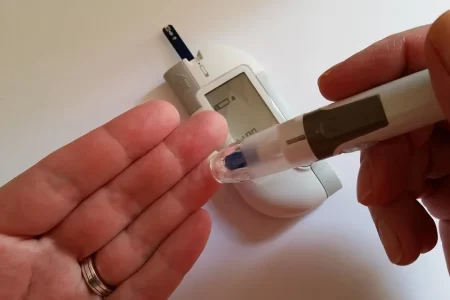
In healthcare, precision medicine is revolutionizing how we approach the treatment of various conditions. One area where this approach is…

While benfotiamine’s association with diabetes management is well-established, its potential benefits extend beyond glucose regulation. Recent research has unveiled intriguing…

Explore diabetes reversal plans for improved health. Personalized nutrition, exercise, and expert support guide individuals to manage type 2 diabetes effectively. Join Care4Sugar for a transformative journey towards wellness.

Diabetes affects insulin production or usage, leading to health complications. Types include autoimmune Type 1 and insulin resistance-based Type 2. Global diabetes cases are projected to rise. Managing diabetes prevents complications like heart disease, stroke, blindness, kidney disease, and nerve damage. Risk factors include inactivity, poor diet, and obesity.

Diabetes progresses over time, worsened by poor management, age, duration of diabetes, genetics, and unhealthy lifestyle factors. HbA1c, a laboratory blood test that measures average blood sugar levels over the past 2-3 months, is critical in managing diabetes and allows healthcare providers to monitor the effectiveness of treatments. The American Diabetes Association recommends an HbA1c goal of less than 7% for most people with diabetes.
ADVERTISEMENT