




Canada’s diverse landscapes and active lifestyles create unique opportunities—and challenges—for maintaining health and mobility. From urban neighborhoods to suburban green spaces, many residents balance demanding work schedules, family responsibilities, and recreational pursuits while navigating seasonal extremes. As the population ages, with projections indicating that by 2030 nearly one in four Canadians will be over 65, the need for comprehensive approaches to wellness has never been greater. Chronic pain affects approximately eight million adults nationwide, contributing to reduced productivity, higher healthcare utilization, and diminished quality of life. Musculoskeletal conditions, including lower back pain, arthritis, and repetitive strain injuries, rank among the leading causes of disability. In this context, physiotherapy stands out as a cornerstone of holistic wellness, addressing not just physical symptoms but the interconnected elements of mental resilience, emotional balance, and preventive care.
Understanding Holistic Physiotherapy: Treating the Whole Person
ADVERTISEMENT
ADVERTISEMENT
Holistic physiotherapy views the body as an integrated system rather than a collection of separate parts. Rather than focusing solely on the site of pain or injury, practitioners consider posture, movement patterns, lifestyle habits, and even stress levels that may contribute to dysfunction. For instance, lower back pain—experienced by up to 80% of Canadians at some point in their lives—often stems from a combination of sedentary desk work, poor ergonomics, and compensatory movement habits developed over years. Through manual therapy techniques such as joint mobilization and soft tissue release, combined with targeted strengthening exercises, individuals can experience significant reductions in pain intensity and frequency. Canadian studies consistently show that patients engaging in structured physiotherapy programs report improved function and lower reliance on medication for chronic musculoskeletal issues.
Physiotherapy in Active Communities: Langley as an Example
In communities like Langley, British Columbia, where rapid growth in areas such as Willoughby and Walnut Grove coexists with preserved natural spaces, residents enjoy access to extensive trail networks, parks, and recreational facilities. These environments encourage active living—walking along the Nicomekl River pathways, cycling through Brookswood, or participating in community sports in Murrayville—yet they also expose people to risks of overuse injuries or seasonal slips. Physiotherapy plays a preventive role by teaching proper body mechanics for daily activities, whether shoveling snow in winter or gardening in spring. Balance training programs, incorporating single-leg stands, tandem walking, and reactive drills, have been shown to reduce fall risk by up to 30% in older adults, a critical consideration given that falls account for over 90% of injury-related hospitalizations among seniors in Canada.
The Mind-Body Connection in Recovery
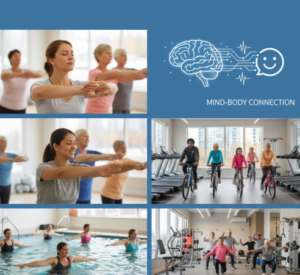
The mind-body connection forms a central pillar of holistic recovery. Physical limitations often lead to emotional frustration, social withdrawal, or decreased confidence in performing valued activities. Conversely, purposeful movement stimulates endorphin release, improves sleep quality, and enhances cognitive function. Techniques such as diaphragmatic breathing integrated with gentle stretching or mindfulness-based movement sequences help regulate the nervous system, reducing perceived pain and fostering emotional resilience. For those managing osteoarthritis—a condition affecting more than one in ten Canadian adults—low-impact aquatic therapy or land-based mobility programs not only preserve joint health but also support mental well-being through achievement of progressive goals.
Navigating Seasonal Challenges with Physiotherapy
Seasonal variations add another layer of complexity to maintaining wellness in Canada. Winter brings increased incidence of slips on icy surfaces, particularly in suburban areas where sidewalks and driveways may accumulate snow and ice. Physiotherapists address this through specific interventions: anti-slip gait training, lower extremity strengthening, and footwear education. As temperatures rise in spring and summer, many residents return to higher-intensity activities, risking strains from sudden increases in load. Gradual progression protocols, emphasizing warm-up routines and recovery strategies, help mitigate these risks. Year-round, the focus remains on building adaptive capacity—teaching individuals to listen to their bodies, modify activities as needed, and incorporate restorative practices like foam rolling or gentle yoga-inspired flows.
The Power of Preventive Physiotherapy
Preventive care represents one of the most powerful aspects of holistic physiotherapy. Early intervention for minor aches or postural imbalances can prevent progression to chronic states. Ergonomic assessments for home offices—now commonplace since remote work surged—address forward head posture and rounded shoulders that contribute to neck and upper back discomfort. Core stabilization programs, progressing from basic activation exercises to functional movements, create a stable foundation for all daily tasks. In growing communities where new families settle and children participate in sports, educating parents on injury prevention for youth athletes helps establish healthy movement patterns early.

Supporting Seniors and Long-Term Independence
For seniors navigating age-related changes, physiotherapy offers tailored strategies to maintain independence. Functional training that mimics real-life activities—rising from a chair, carrying groceries, or climbing stairs—directly translates to improved confidence and reduced fall risk. Canadian data indicates that community-based exercise programs led by physiotherapists can decrease fall rates substantially while enhancing overall life satisfaction. In neighborhoods with intergenerational parks and walking groups, these skills enable continued participation in social and recreational opportunities.
Recovering from Acute Injuries Holistically
Recovery from acute injuries follows similar holistic principles. Whether from a winter slip on an icy path in Fort Langley or a sports-related ankle sprain during summer soccer in Walnut Grove, rehabilitation progresses through stages: protecting the injured tissue, restoring range of motion, rebuilding strength, and finally returning to full function with sport-specific or lifestyle-specific training. Patient education throughout ensures long-term adherence and self-management, reducing recurrence rates.
Complementary Factors: Nutrition, Sleep, and Fascial Health
Nutrition and sleep, while not direct components of physiotherapy, often intersect with movement-based recovery. Adequate protein intake supports tissue repair, while anti-inflammatory foods may complement joint health strategies. Sleep positioning advice and relaxation techniques address common barriers to restorative rest, particularly for those with chronic pain.
Holistic physiotherapy also embraces emerging evidence around fascia, the connective tissue network that influences movement efficiency and pain perception. Myofascial release techniques, dry needling when appropriate, and whole-body movement patterns help restore glide between tissue layers, often providing relief where traditional approaches fall short.
Conclusion: A Path to Lasting Vitality
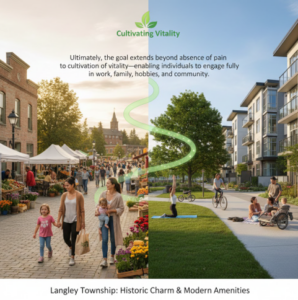
Ultimately, the goal extends beyond absence of pain to cultivation of vitality—enabling individuals to engage fully in work, family, hobbies, and community. In areas experiencing growth and change, like Langley Township with its blend of historic charm in Fort Langley and modern amenities in Willoughby, residents have unique opportunities to integrate these principles into daily life. Walking historic streets, exploring local farmers markets, or enjoying family outings in spacious parks all become more sustainable when supported by strong foundational health practices.
For those interested in exploring personalized holistic approaches to recovery and prevention, learn more about options available locally.
The journey toward balanced wellness requires consistency and patience, but the outcomes—greater freedom of movement, reduced pain burden, enhanced mental clarity, and sustained independence—make it profoundly worthwhile. As Canadians continue to prioritize active, meaningful lives across all seasons and life stages, physiotherapy remains an evidence-based, compassionate partner in achieving lasting mind-body harmony.
Frequently Asked Questions
How does physiotherapy support holistic mind-body recovery?
By integrating manual techniques, customized movement programs, and education that address physical function, emotional resilience, and lifestyle factors simultaneously.
What preventive strategies are most effective for winter mobility challenges in Canada?
Balance training, lower extremity strengthening, gait adaptation for icy surfaces, and proper footwear selection significantly reduce slip-and-fall risks.
Can physiotherapy help manage chronic conditions like arthritis without relying heavily on medication?
Yes, through joint preservation exercises, pain modulation techniques, and functional training that improve daily living while often reducing medication needs.
Why is early intervention important for long-term musculoskeletal health?
It prevents minor issues from progressing to chronic states, preserves joint integrity, and supports sustained participation in valued activities across the lifespan.
Related Reads



Latest Posts





ADVERTISEMENT