



Low testosterone can slowly drain your spark, focus, and drive each day. In the USA, your family doctor can start with a morning blood test. If Low-T shows up twice, your treatment talks become clearer and calmer.
Testosterone Therapy for Men may come as shots, gels, patches, or pellets placed under the skin in the clinic. Each option needs steady dosing, safe storage, and regular lab checks. Good clinics watch your blood count, prostate health, mood, energy, and sleep.
ADVERTISEMENT
ADVERTISEMENT
This guide maps your Low-T options and helps you choose the right one with care.
Signs that you need to undergo testosterone therapy
Low-T can creep in, then start affecting work, sleep, and relationships. In the US, TRT is usually considered after symptoms and two low morning tests.
Low sex drive that doesn’t come back
A busy month can lower sexual desire. Low-T feels like the dial stays turned down, even on calm weeks. You may stop thinking about intimacy with your partner at all, and it feels unlike you.
An American clinician will often review your sleep, alcohol, and medicines first. Then they book early-morning bloodwork to confirm the pattern.
Erectile problems or fewer morning erections
Fewer morning erections can be an early hint of Low-T. Erections may also be weaker or harder to keep going. However, blood pressure, diabetes, smoking, and stress can also cause the same issue.
So a proper checkup matters, not just a quick guess. Expect hormone labs plus heart and mental health screening in many American practices.
Ongoing fatigue and low energy
This is the tiredness that sticks, even after a full night. You may feel foggy, slow, and oddly unmotivated. In addition, Low-T often overlaps with poor sleep and sleep apnea. Shift work can play a role too, especially in long American winters.
A good workup checks thyroid, iron, and blood sugar alongside testosterone. If you feel down most days, mood screening is also included.
Loss of muscle or strength, plus more body fat

You can train the same, yet strength slips and softness grows. Pants get snug, while arms look smaller, and it’s frustrating. Although aging and less activity can explain some change, the red flag is a fast drop without a clear reason.
A clinician may ask about your diet, training, injuries, and past steroid use before planning TRT. You may also notice lower stamina during hockey, hikes, or gym sessions.
Top 4 Low-T Treatment Options
The USA offers several TRT forms, and each fits a different lifestyle. Your best option depends on your routine, coverage, and how steady you want your testosterone levels to be.
However, before starting a specific treatment, American physicians will check your blood count, cholesterol, and sometimes prostate tests, based on your age.
Testosterone skin gels
Gels go once daily to clean, dry skin, then air-dry fully. Many men like the no-needle feel and smoother day-to-day levels. Also, dose tweaks are easy after follow-up labs.
The downside is transfer risk to partners or kids through skin contact. You need to wash your hands, wear covered clothing, and take care with towels and sheets.
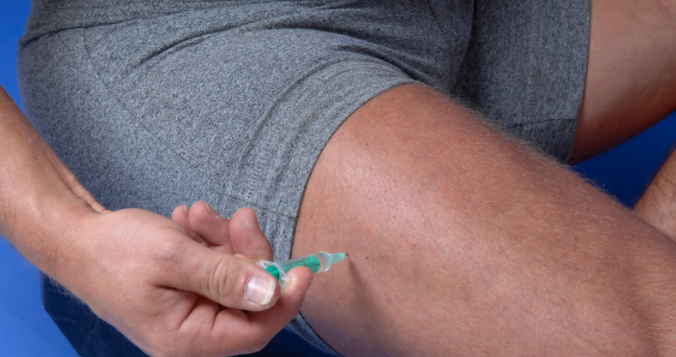
Intramuscular testosterone injections
Shots place testosterone into the muscle on a set schedule, often weekly or every few weeks. They can be cost-friendly compared with some topicals.
However, some men feel a “high then low” swing between doses. Smaller, more frequent dosing can smooth that out, if prescribed. Follow-ups often include blood count checks, since testosterone levels can raise red blood cell count.
Testosterone pellets
Pellets are inserted under the skin in a quick clinic visit. They release testosterone slowly for months, which is convenient. You don’t have to remember daily gel or regular needles. On the flip side, the procedure can bruise, and rare pellets can work out.
Access and cost can vary across the US, depending on the clinic and plan. You still need lab checks, because “long-acting” does not mean “no monitoring.”
Oral testosterone undecanoate capsules
These capsules are taken by mouth, usually with food for better uptake. They can suit men who dislike needles and daily skin products. Also, travel can feel simpler with pills. However, missed doses show up fast, so routine matters.
Monitoring still includes blood pressure and blood counts, plus symptom checks over time. Tell your prescriber about your heart history, because risk review is part of safe care.
Benefits of undergoing testosterone therapy in men
When Low-T is real and treated safely, benefits often build over months. You still need follow-ups, because dose and safety checks matter.
Improved libido and sexual function
Desire often returns in a steady, natural way, not overnight. Morning erections may become more common again, which can feel reassuring. However, erections also depend on blood flow and nerves.
If diabetes, anxiety, or other medications are involved, those still need attention. Many American clinics pair TRT with lifestyle modifications and, sometimes, ED medication.
Better energy and vitality
You may notice fewer “crash” days and better focus at work. Errands feel lighter, and social plans seem doable again. In addition, some men report a calmer mood and more drive.
However, testosterone is not a cure for burnout. Protect sleep, manage stress, and treat sleep apnea if it’s present.
Increased muscle mass and strength
With testosterone levels corrected, strength training often pays off more. Recovery can improve, and muscles respond better to effort. Also, stronger legs and core help with stairs.
Still, results need regular training and adequate protein. Many clinics suggest two to three short lifting sessions each week, kept consistent.
Better bone density and bone health
Testosterone supports bone strength, especially over the long run. If low-T lasted years, bones may have thinned quietly. Treatment may help protect density and lower fracture risk.
However, bone health also needs vitamin D, calcium, and weight-bearing movement. US winters can mean low vitamin D, so testing and supplements must be discussed with your physician.
Conclusion
Low-T treatment can bring back steady energy and better daily comfort. In the US, start with morning blood tests and a doctor visit. If therapy fits, choose gels, shots, pellets, or oral capsules. Keep follow-ups, because safe dosing needs regular labs and checks.
Also, simple habits like sleep, walks, and strength work matter. Stay patient, track changes, and speak up about side effects.
Related Reads



Latest Posts





ADVERTISEMENT