

The Gut-Brain Connection: How Your Gut Shapes Your Mood
- Updated on: May 18, 2026
- 7 min Read

Dr. Mohd Salman, popularly known as Dr. Sal, is a highly qualified and experienced physician specializing in Gastroenterology. He completed his MBBS from Jawaharlal Nehru Medical College, AMU, MD, DM from Mahatma Gandhi Medical College, Jaipur.
- Published on Jan 17, 2026
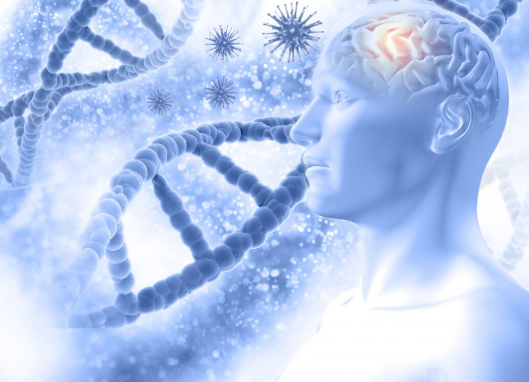
In today’s health and wellness, gut health has exploded. Fermented foods, probiotics, prebiotics, and postbiotics are everywhere. You’ve probably heard the famous quote attributed to Hippocrates: “all disease begins in the gut.” It’s become the rallying cry of every integrative and alternative practitioner out there.
At the same time, we’re living through what’s clearly a mental health crisis. Forty million Americans deal with anxiety, about 18% of the population. Around 17 million adults struggle with depression, nearly 7% of the population. The pandemic made it worse. Job loss, isolation, and constant stress hit young people, parents, and communities of color especially hard.
ADVERTISEMENT
ADVERTISEMENT
Here’s what we used to believe: the gut and the mind were completely separate. Two different systems with nothing to do with each other.
We were wrong.
Recent research shows the body is far more connected than we ever thought. Your gut health doesn’t just affect your digestion. It may actually determine your brain health.
THE LINK BETWEEN GUT HEALTH AND THE BRAIN
The more we understand the body, the more obvious it becomes: every system talks to every other system.
You know your central nervous system connects your brain to the rest of your body. But here’s what most people miss: your gut has its own nervous system. Scientists call it the enteric nervous system, or ENS. It’s why you feel butterflies in your stomach when you’re nervous. It’s why stress hits your gut before it hits anywhere else.
The ENS is so powerful that researchers literally refer to it as your “second brain.”
But think about it. Your gut feeling comes from instinct and intuition, that deep, ingrained sense of what’s right. Not from logical reasoning. That gut instinct kept you alive long before you had the ability to think through facts. You developed it to sense danger and survive. In that sense, maybe it’s actually your first brain.
NEUROTRANSMITTERS: YOUR GUT’S CHEMICAL MESSENGERS
Neurotransmitters are chemical signals. They transmit information from one neuron to another cell. Your body needs them to tell cells what to do and keep everything running smoothly.
Here’s what’s strange: we associate “neuro” with the brain, but most of your neurotransmitters don’t live there. They live in your gut.
Serotonin, dopamine, norepinephrine, epinephrine, and acetylcholine all either live in or are significantly influenced by your gut. When these neurotransmitters get out of balance, you see everything from IBS to Crohn’s disease. But you also see anxiety, depression, and mood disorders.
STRESS AND THE BRAIN/GUT CONNECTION
Stress, whether it’s psychological, emotional, or physical, plays a massive role in both brain and gut health. You can’t ignore it.
The Institute for Functional Medicine found something striking: 75 to 90% of all chronic disease comes from chronic stress and inflammation, not genetic predisposition. Genetics matter far less than what stress is doing to your body right now.
Stress starts a downward spiral that’s hard to reverse. Chronic stressors, financial worry, concern for loved ones, lack of purpose, drive up stress hormones like cortisol and adrenaline. Your body burns through enormous amounts of energy, constantly producing these hormones. You get physically and mentally exhausted.
Maybe you stop sleeping well. Maybe you’re not eating right. The problem compounds. Now your gut is in trouble.
High stress, low energy, and poor nutrition mean your body has to prioritize. Digestion slows down. Hormones become chaotic. Your immune response weakens. Mental symptoms show up as distraction, anxiety, quick anger, and low mood.
HOW YOUR MICROBIOME SHAPES YOUR MOOD
Your gut hosts an entire community of bacteria, fungi, and organisms that help you digest food and absorb nutrients. Some of them even create nutrients you need. This community is your microbiome.
Over the last several years, we’ve learned how directly your microbiome health affects your overall health, including your mental state. The pattern is clear: the healthier your microbiome, the better you feel physically and mentally.
A healthy microbiome looks like this:
You have few to no pathogens. The “good guys” outnumber the “bad guys”, supportive organisms that create and process nutrients dominate over the ones that steal your nutrition or overgrow, like candida. Food moves through your system smoothly. Your bowel movements are regular. Toxins and metabolic waste products are efficiently eliminated.
When things are running smoothly with your microbiome and digestion, something shifts. You feel happier. More motivated. More purposeful. You handle stress better. You sleep more easily.
INFLAMMATION: HOW YOUR GUT AFFECTS YOUR BRAIN
Gut problems open the door for inflammation throughout your entire body. And full-body inflammation can destroy your mood.
Here’s where it gets serious: leaky gut allows toxins to slip into your bloodstream. Those toxins reach the blood-brain barrier and accumulate in your brain tissue. Since your brain is fatty, these toxins love it there. They stick around, creating brain fog, mental fatigue, anxiety, and depression.
This is the real power of inflammation. It’s not just a stomach problem. It becomes a brain problem.
FOOD ALLERGIES AND SENSITIVITIES: THE HIDDEN CULPRIT
Food sensitivities have a huge impact on mental health. Most people don’t realize this.
Someone cuts out gluten and suddenly feels happier, calmer, more balanced. Someone removes dairy and their anxiety drops significantly. These aren’t placebo effects. They’re real immune responses causing inflammation that was affecting the brain.
The challenge: food sensitivities vary wildly between people. What destroys one person’s gut leaves another fine.
The approach: remove suspected trigger foods for 4-6 weeks. Notice what changes. Then, once your gut has healed, slowly add foods back in. Many people find they can tolerate foods better after their gut repairs itself.
Some find they do better without certain foods permanently. But the point is to listen to your body, not follow someone else’s diet rules.
IMPROVE YOUR MOOD BY NOURISHING YOUR GUT
Rebuilding your microbiome and your gut lining can go a long way toward improving your mental health. You have lots of options, and it helps to work with a trusted practitioner, especially if you’re making big diet and lifestyle changes.
Here are the cornerstone components for balancing your gut and brain:
-
Food for Your Mood
Food that supports your mood is food that feeds your gut, lowers inflammation, and provides abundant nutrients. There are plenty of ways to eat that satisfy these needs while fitting your tastes. But in general, go for the highest quality and widest variety you can afford, especially with plant foods. Avoid pesticides as much as possible.
- Grass-fed meat, including liver and organ meats have the highest amount of bioavailable nutrition of any food, vitamin C, B12, A, zinc, copper, and more. This is your most nutrient-dense option.
- Pasture-raised eggs are high in choline, a precursor to acetylcholine, which is the most abundant neurotransmitter in your body. Brain food, literally.
- Yogurt and kefir can be fantastic probiotics supporting your microbiome. Some people do better with dairy than others. If you’re sensitive to cow’s milk, try goat or sheep’s milk yogurt or kefir instead.
- Beans, when well-cooked and added slowly to your diet, help bind toxins in your bile and carry them out of your body. Try adding a few spoonfuls a day and increasing over time. Always eat your healthy fats separately from beans for better digestion.
- Olive oil is an anti-inflammatory fat with real brain-boosting properties. Drizzle it on at the last minute, finish your soups, salads, or anything else with it.
- Berries, strawberries, blueberries, blackberries, raspberries, are packed with polyphenols and vitamin C and form the backbone of any anti-inflammatory diet.
- Dark chocolate and cacao contain tons of magnesium, zinc, and other nutrients that relax your nervous system and reduce anxiety. Not a guilty pleasure. Actual medicine. Look for 70% cacao or higher.
-
Supplements for Stress and Gut Health
Strategic supplementation can support you during the rebalancing process. Don’t overwhelm yourself with changes. Stick to a few well-formulated supplements that give you the most value.
- Magnesium is a cofactor in dozens of chemical reactions in your body. It’s famous for its calming and balancing effects. Most people are deficient because our soils are depleted, even if you eat mostly organic. There are many varieties of magnesium, so you may need to experiment to find what works for you. This is genuinely foundational for mental health.
- Zinc has been getting buzz for its immune-boosting properties, and deservedly so. But zinc is also critical for digestion and maintaining adequate stomach acid, your first line of defense against pathogens and your way of breaking down food properly. You can easily test your zinc levels with a simple taste test using liquid zinc.
When you’re looking at the best vitamins for brain fog and memory to support your mental clarity during the healing process, you’ll often find supplements that combine magnesium, zinc, and other anti-stress compounds like glycine, taurine, Rhodiola Rosea, phosphatidylserine, and manganese.
These ingredients were chosen specifically for their calming effects and are well-tolerated by most people, unlike some combination supplements that leave people feeling off. When these compounds work together, they support both mood recovery and cognitive function as your gut heals.
Something else that’s becoming more popular is peptide bioregulators which help to send the right messages to your brain and speed up processes. Research is still being carried out, but the signs are positive.
-
Gut-Friendly Exercise
Most people think that committing to an exercise regimen means intense cardio several times a week. But here’s the problem: high-intensity exercise can actually increase your stress hormones and create more inflammation in your gut.
Lower-intensity forms of exercise, yoga, pilates, strength training, even simple walking, are much easier for your body to handle. They’re more likely to add energy instead of draining it away. If you enjoy cardio, keep it to 1-2 times per week and make sure you rest plenty too.
COMPARISON TABLE: NEUROTRANSMITTERS AND THEIR SOURCES
| Neurotransmitter | Primary Function | Where It’s Made | When It’s Out of Balance |
| Serotonin | Mood regulation, sleep | Gut + Brain | Depression, anxiety, insomnia |
| Dopamine | Motivation, reward | Gut + Brain | Low motivation, depression, fatigue |
| GABA | Calming, anxiety relief | Gut + Brain | Anxiety, tension, poor sleep |
| Acetylcholine | Memory, focus, learning | Gut + Brain | Brain fog, memory issues, poor focus |
| Norepinephrine | Alertness, attention | Brain + Adrenals | Brain fog, low energy, poor focus |
THE REAL OPPORTUNITY HERE
We used to believe the gut and the mind were completely separate. We were wrong.
Now we know they’re one integrated system. When your gut suffers, your brain suffers. When you heal your gut, your brain follows.
You don’t have to white-knuckle your way through anxiety or depression. You don’t have to rely solely on medication. You can address what’s actually causing the problem.
Here’s how to start: pick one thing from this article. Maybe it’s adding magnesium. Maybe it’s removing one trigger food. Maybe it’s taking a 20-minute walk instead of crushing yourself at the gym.
Consistency compounds. In a few weeks, you’ll notice you’re calmer. Your mood is more stable. Brain fog lifts. You might even notice improvements in your energy, skin, and how your hair looks and feels, all signs that your gut is absorbing nutrients the way it should.
Some people discover that when they incorporate vitamins for hair growth and thickness alongside their gut healing work, the results are much better because their digestive system is finally absorbing and utilizing nutrients properly. That’s your gut healing. That’s your brain responding. That’s your whole body getting the nutrition it actually needs.
The science is precise. Your gut health determines your mental health. The only question left is: what are you going to do about it?
Share this article






ADVERTISEMENT