


When and Why Health Screenings May Be Required
- Updated on: Apr 18, 2026
- 4 min Read

Mohd Sadiq is a bioinformaticist with a special interest in Nanotechnology. He completed his Master’s degree from Jamia Millia Islamia University, New Delhi, followed by an internship in the Department of Plant Molecular Biology, University of Delhi, South Campus. Mohd Sadiq has also worked at Codon Biotech Pvt. Ltd. Noida.
By
- Published on Mar 18, 2026
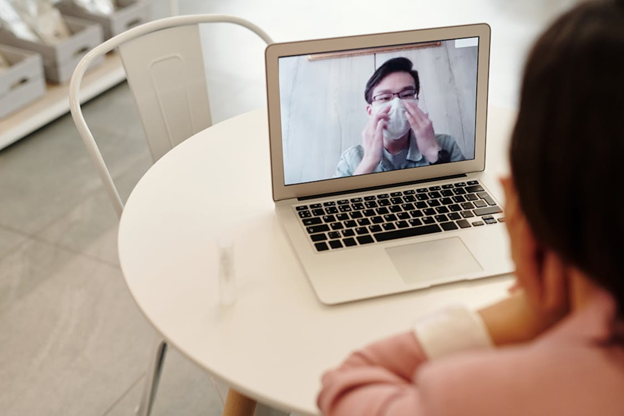
Have you ever been asked to roll up your sleeve for a test when you felt perfectly fine? It can seem odd to check for problems you cannot see or feel. Yet health screenings have become a routine part of modern life, from school physicals to workplace exams. They sit at the crossroads of personal privacy, public safety, and rising health costs. Understanding when and why they are required helps make sense of a system that often feels intrusive but aims to protect us.
The Basics of Health Screenings
ADVERTISEMENT
ADVERTISEMENT
Health screenings are tests done to find problems before symptoms appear. They can include blood pressure checks, cholesterol tests, cancer screenings, and mental health evaluations. The goal is early detection, because treating a condition early often costs less and leads to better outcomes.
In the United States, screenings have become more common as health data grows easier to track. Wearable devices, telehealth visits, and digital records make monitoring simpler than ever. While that can feel overwhelming, it also means doctors can catch issues like diabetes or heart disease before they turn into emergencies.
Employment and Workplace Safety
Employers often require medical checks to ensure workers can safely perform certain tasks. Commercial drivers, airline pilots, and heavy machinery operators must meet strict health standards because one medical emergency on the job could put many lives at risk. In these fields, screenings protect both the employee and the public.
In some industries, companies also require drug testing as part of pre-employment or random screening programs. Employers may use different methods, including saliva drug test kits, which provide quick and non-invasive results for workplace screening. This practice is common in transportation, construction, and federal contracting. Supporters argue it lowers accidents and liability, while critics raise concerns about privacy and fairness. Courts have generally upheld these policies when they relate directly to safety, but debates continue as states update labor laws and workplace rights.
School and Sports Requirements
Schools have long required physical exams and vaccination records before students can enroll. The logic is straightforward: classrooms bring together large groups of children, and contagious diseases spread quickly. Recent measles outbreaks in states with lower vaccination rates have reminded communities why these rules exist.
Student athletes also face screening requirements. Sports physicals check heart health, joint stability, and past injuries. Sudden cardiac events in young athletes, though rare, have pushed some districts to add more thorough heart screenings. Parents may see it as one more appointment on a busy calendar, yet it can prevent a tragedy that no one saw coming.
Insurance and Preventive Care Incentives
Health insurers often encourage or require certain screenings to maintain coverage or qualify for lower premiums. Annual wellness visits, mammograms, colonoscopies, and cholesterol tests are usually covered at no extra cost under federal law. These policies reflect a broader shift toward preventive care rather than reactive treatment.
Employers offering health benefits sometimes tie incentives to biometric screenings. Workers may receive discounts for completing a health risk assessment or meeting blood pressure targets. Critics question whether this blurs the line between support and pressure. Still, data shows that early intervention for high blood pressure or prediabetes reduces long-term medical costs for both individuals and companies.
Immigration and Travel Protocols
Health screenings have long played a role in immigration. Applicants for permanent residency must complete medical exams that check for infectious diseases and vaccination status. The aim is to protect public health and manage healthcare costs tied to untreated conditions.
Global travel during the COVID-19 pandemic made medical screening a daily reality for millions. Temperature checks at airports and proof of vaccination were once headline news. While many restrictions have eased, the experience reshaped how governments respond to outbreaks. Future health crises will likely bring similar measures, as nations balance freedom of movement with disease control.
Military and Public Service Standards
Military recruits undergo extensive medical exams before enlistment. These screenings evaluate physical fitness, mental health history, vision, hearing, and chronic conditions. The armed forces invest heavily in training, so they need to ensure recruits can meet demanding physical and psychological standards.
Public service roles such as police officers and firefighters also require medical clearance. These jobs involve high stress and physical strain, and a sudden health crisis could endanger coworkers or the public. As conversations around mental health become more open nationwide, some agencies are updating their psychological screening processes to better identify risks without unfairly excluding candidates.
Protecting Vulnerable Populations
Certain screenings focus on protecting those who may not be able to protect themselves. Healthcare workers, for example, often must prove immunity to diseases like hepatitis B or influenza. Nursing home staff may undergo tuberculosis testing to shield elderly residents from preventable infections.
The same principle applies to childcare workers and teachers. When adults care for infants, seniors, or people with weakened immune systems, society expects extra caution. These requirements sometimes spark debate about personal choice, yet they reflect a broader belief that safeguarding vulnerable groups outweighs individual inconvenience.
Legal and Ethical Considerations
Health screenings sit at the edge of personal privacy and public interest. Federal laws like the Americans with Disabilities Act limit how employers can use medical information. They cannot discriminate based on health status, and any required exam must relate directly to job duties.
At the same time, society increasingly accepts some level of screening as a tradeoff for safety. The rise of digital health records and data analytics raises new questions about who owns medical data and how it is used. As technology advances, the challenge will be finding balance between innovation and individual rights, ensuring screenings remain tools for protection rather than control.
Health screenings are not simply boxes to check on a form. They reflect how a society weighs risk, cost, and responsibility. From school hallways to airport terminals, these requirements shape daily life more than we often notice. When handled carefully, they can save lives and reduce suffering. When handled poorly, they can erode trust and privacy. Knowing when and why they are required empowers people to ask better questions, understand their rights, and take an active role in their own health decisions.
Share this article


Latest Posts


ADVERTISEMENT