



How Rhinoplasty Helps Patients Finally Breathe Through Both Nostrils
- Updated on: Jul 14, 2026
- 3 min Read

Arshi Anjum is a qualified homeopath who believes alternative medicine disciplines can really do wonders in certain situations and particularly for some conditions and diseases. She completed her medical education from Bakson Homeopathic Medical College, Greater Noida, India.
- Published on Jul 14, 2026
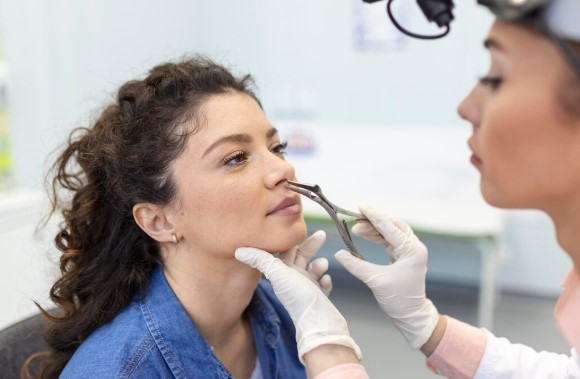
Most people never think twice about breathing. It happens on its own, without any real effort. But for a surprisingly large number of people, getting a full breath through the nose is not that simple. One nostril feels tight while the other does most of the work, and everyday moments like sleeping, exercising, or even holding a conversation become a little harder than they should be.
Here in Bellevue, where so many residents spend their weekends hiking, running, or just enjoying the outdoors, that kind of breathing struggle can be especially frustrating. The good news is that this problem has a clear cause and a solution that goes far beyond nasal sprays and decongestants.
ADVERTISEMENT
ADVERTISEMENT
Rhinoplasty Is More Than Just a Cosmetic Concern for Patients
When people hear the word rhinoplasty, they usually picture a purely cosmetic procedure meant to change the shape or size of the nose. That is only part of the story. Functional rhinoplasty focuses on what is happening underneath the surface, correcting the internal structures that control airflow.
This can include straightening a deviated septum, reinforcing weak nasal valves, or reshaping tissue that has been narrowing one side of the nose for years. The outward appearance may improve as a natural result, but the primary goal is restoring the kind of steady, balanced airflow that most people take for granted.
A Common Problem That Often Goes Unnoticed
Nasal blockage is far more common than most people realize. According to the Mayo Clinic Health System, roughly 70 to 80 percent of people have some degree of septal deviation, and while many cases are mild and symptom free, moderate to severe deviations can significantly reduce airflow and make breathing through one or both nostrils genuinely difficult.
This structural imbalance is not something that shows up overnight. It can develop from an old sports injury, a childhood fall, or simply the natural way a person’s nose grew over the years. Many people adjust to it so slowly that they assume stuffiness and mouth breathing are just part of their normal routine, when in reality a fixable structural issue is quietly making daily life harder.
Finding the Right Path to Better Breathing
For anyone who has struggled with chronic congestion, frequent sinus infections, or the sense that they can never quite fill their lungs through their nose, an experienced specialist can make all the difference in diagnosing the true cause. Patients who look into rhinoplasty in Bellevue often find that a thorough evaluation reveals exactly which structures are contributing to their breathing troubles, whether it is a crooked septum, collapsed nasal valves, or a combination of factors.
Dr. Philip Young is known for taking this kind of detailed, function first approach, mapping out a plan that addresses the root cause rather than just masking the symptoms. That kind of clarity is often the missing piece for patients who have tried everything else without lasting relief.
What the Procedure Actually Involves
A functional rhinoplasty typically begins with a detailed examination, sometimes including imaging, to understand the exact shape of the nasal passages and septum. During the procedure itself, the surgeon works to straighten deviated cartilage, strengthen weak areas that tend to collapse during inhalation, and open up passages that have been narrowed for years.
Many patients are surprised to learn that these adjustments are often made with precision that leaves little visible trace, since the incisions are typically hidden inside the nose or along natural creases. The focus stays on function, with any cosmetic refinement handled as a secondary, complementary step.
Recovery and What to Expect Afterward
Recovery timelines vary depending on the extent of the correction, but most patients notice swelling and mild congestion in the first week or two, gradually improving over the following month. Many people describe a noticeable difference in airflow once the swelling subsides, often calling it the first time in years they could take a full, easy breath through both sides of their nose.
Sleep quality tends to improve, workouts feel less limited, and the constant awareness of one blocked nostril fades into the background. Following post-operative guidance closely helps ensure the results hold up long term, with full internal healing continuing quietly for several months afterward.
Conclusion
It is easy to underestimate how much a blocked nostril affects daily life until it is finally corrected. Patients often describe the change in simple terms, mentioning that workouts feel easier, sleep feels deeper, and even ordinary things like laughing or talking on the phone no longer come with a subtle struggle to get enough air. None of this requires guesswork, since the causes of nasal obstruction are well understood and the fixes are well established.
Anyone who has quietly lived with congestion, snoring, or a nose that never seems to clear on one side owes it to themselves to find out whether a simple structural correction could change that. Better breathing tends to ripple into better sleep, better focus, and better energy, making it one of the more overlooked upgrades a person can make to their everyday health.
Share this article



Latest Posts





ADVERTISEMENT