


Why Intimate Wellness Deserves a Place in the Women’s Health Conversation
- Updated on: Aug 23, 2026
- 4 min Read

Mohd Sadiq is a bioinformaticist with a special interest in Nanotechnology. He completed his Master’s degree from Jamia Millia Islamia University, New Delhi, followed by an internship in the Department of Plant Molecular Biology, University of Delhi, South Campus. Mohd Sadiq has also worked at Codon Biotech Pvt. Ltd. Noida.
By
- Published on Aug 23, 2026
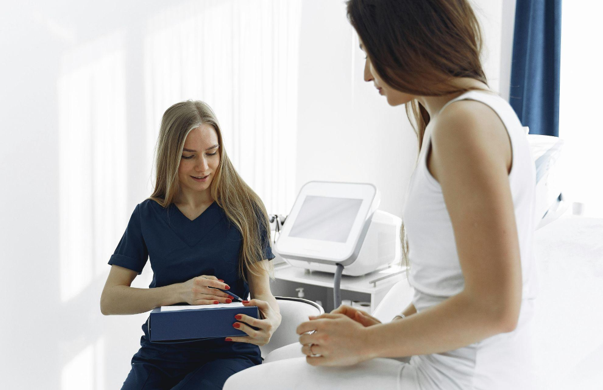
Women’s health involves much more than routine checkups, nutrition, exercise, and screenings. It also includes feeling comfortable in your body and being able to talk openly about concerns that may affect your confidence, relationships, and everyday quality of life.
Intimate wellness is one area that is sometimes overlooked. Women may experience physical changes throughout their lives because of aging, pregnancy, childbirth, hormonal changes, weight fluctuations, or simply the natural aging process. While these changes are normal, they can sometimes affect comfort or the way a woman feels about her body.
ADVERTISEMENT
ADVERTISEMENT
There is no single way to approach these concerns. For some women, lifestyle changes and reassurance may be enough. Others may want to discuss professional treatment options with a qualified healthcare provider. What matters is having access to accurate information and making decisions based on personal needs rather than pressure or unrealistic expectations.
Understanding Intimate Wellness
Intimate wellness is closely connected to overall well-being. Physical comfort can affect confidence, while emotional stress can sometimes influence how a woman feels about her body.
Women should feel comfortable discussing concerns such as:
- Changes in intimate appearance
- Discomfort caused by friction
- Changes following childbirth
- Age-related changes
- Hormonal changes
- Body-image concerns
- Changes in confidence or self-esteem
These concerns are personal, and experiencing them does not mean anything is wrong with a woman or her body.
The important first step is understanding what is normal and knowing when it may be helpful to speak with a healthcare professional.
How Lifestyle Can Support Women’s Wellness
Professional treatments are only one part of a woman’s overall wellness routine. Everyday habits remain important throughout every stage of life.
A balanced lifestyle can include:
- Eating a varied and nutritious diet.
- Staying physically active in ways that are enjoyable and sustainable.
- Getting adequate sleep whenever possible.
- Managing stress through relaxation, hobbies, social connection, or professional support.
- Maintaining regular healthcare appointments.
- Paying attention to changes in physical and emotional well-being.
These habits support general health and can also help women feel more connected to their bodies.
Self-care should not be viewed as something that requires a major investment of time or money. Sometimes it can be as simple as getting enough rest, making time for exercise, or having an honest conversation with a healthcare provider about a concern that has been difficult to discuss.
How Women’s Bodies Change Over Time
The female body naturally changes throughout life. Pregnancy and childbirth can bring physical changes, while hormonal fluctuations during perimenopause and menopause can affect different aspects of health and comfort.
Aging can also influence the appearance and elasticity of intimate tissues. Changes in body weight may contribute to additional differences in tissue volume and appearance.
For some women, these changes are simply part of getting older and do not require treatment. Others may feel that a particular concern affects their comfort or confidence.
There is no right or wrong response. The decision to seek treatment should be based on the individual woman’s preferences, health needs, and expectations.
Exploring Professional Treatment Options
Advances in aesthetic and women’s wellness care have created nonsurgical options for women who want to address certain intimate concerns.
For example, some clinics offer injectable treatments designed to restore volume to areas where tissue fullness has changed. A labia puffing treatment may be considered by women seeking to address changes in the appearance or volume of the labia majora. Depending on the individual, potential goals may include improving symmetry, restoring volume, or addressing discomfort associated with friction.
However, treatment is not appropriate for everyone. A qualified provider should evaluate the patient’s medical history, concerns, expectations, and overall health before recommending any procedure.
Women should also understand that aesthetic treatments are elective. They should never feel obligated to pursue a procedure because of social media, a partner, or unrealistic beauty standards.
Potential Benefits of Personalized Women’s Treatments
When a treatment is medically appropriate and performed by a qualified professional, personalized care may offer several potential benefits.
Improved Comfort
Some women seek treatment because changes in tissue volume or appearance are associated with friction or discomfort during certain activities.
Greater Confidence
Addressing a personal concern may help some women feel more comfortable and confident in their bodies.
Personalized Treatment
A consultation allows the provider to understand the woman’s specific goals rather than applying the same approach to every patient.
Nonsurgical Options
Certain modern treatments are designed to be minimally invasive, which may appeal to women who are not interested in surgical procedures.
Individual Choice
Perhaps most importantly, professional treatment allows women to make informed decisions about their own bodies.
These benefits should always be balanced against potential risks, costs, limitations, and the possibility that treatment may not produce the desired result.
Asking the Right Questions Before Treatment
Choosing a provider is an important part of women’s wellness. Before scheduling a procedure, patients should take time to understand what is being recommended and why.
Consider asking:
- What qualifications does the provider have?
- How frequently do they perform the procedure?
- What products or techniques are being used?
- What are the possible risks and side effects?
- How long does recovery typically take?
- What results are realistic?
- What aftercare is required?
- Who should be contacted if a complication occurs?
A reputable provider should be willing to answer these questions clearly and without making unrealistic promises.
Why Medical Evaluation Matters
Some treatments provided in aesthetic or wellness settings involve medical procedures, medications, or injectable products. An appropriate clinical assessment can help determine whether a particular treatment is suitable for an individual patient.
Women researching how good faith exams work may encounter the term when looking into medical or aesthetic services. The exact process and requirements can vary depending on the treatment, provider, and applicable regulations, so patients should ask the clinic what evaluation is required before treatment.
Medical oversight is another important consideration. A woman researching how to find a collaborating physician should look at the physician’s qualifications, the scope of their involvement, and how the clinic manages patient safety and clinical responsibilities.
The goal should always be appropriate care rather than simply finding the fastest or cheapest treatment option.
Intimate Wellness Is Part of Overall Health
Women’s health should not be divided into separate categories where intimate wellness is treated as something too uncomfortable to discuss. Physical comfort, confidence, emotional health, relationships, and lifestyle can all influence one another.
That does not mean every woman needs an intimate treatment. Many women will never want or need one, and that is completely normal. For those who do have concerns, however, having access to accurate information and qualified professionals can make the decision-making process easier.
Ultimately, intimate wellness is about more than appearance. It is about feeling informed, comfortable, and confident enough to make choices that are right for your own body.
Whether that means improving everyday lifestyle habits, speaking with a healthcare professional, seeking emotional support, or exploring a personalized treatment option, women’s wellness should always be approached with respect and without judgment. Giving intimate health a place in the broader women’s health conversation is one more step toward helping women feel empowered to care for every part of themselves.
Share this article

Latest Posts



ADVERTISEMENT