

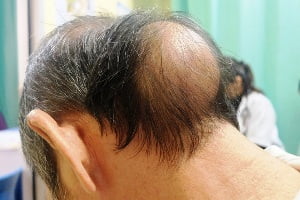

How Chronic Health Conditions Can Affect Hair Growth
- Updated on: Sep 8, 2026
- 3 min Read

Saima Andrabi is a clinical biochemist and is passionate about driving knowledge platforms for creating health awareness in the general public. She pursued her master’s degree in clinical biochemistry from University of Kashmir, Srinagar followed by an internship from National Institute of pathology, New Delhi.
- Published on Sep 8, 2026

Your hair’s health often mirrors your overall health. Changes in its texture, thickness, or growth can sometimes be the first sign that something’s off inside your body. While many things can cause hair loss, chronic health conditions are a big factor that people often miss. Understanding this connection is the first step to dealing with both the underlying health issue and how it affects your hair.
Systemic Health and Hair Follicles
Your hair follicles are tiny, complex organs. They need a steady supply of oxygen, nutrients, and hormones to work right. When your body is fighting a chronic illness, it usually sends resources to vital organs first, leaving less support for non-essential functions like hair growth. This can mess up the natural hair growth cycle, which has a growth phase (anagen), a transition phase (catagen), and a resting phase (telogen). A systemic illness can push more follicles into the resting phase too soon, leading to more shedding and noticeable thinning over time.
ADVERTISEMENT
ADVERTISEMENT
Diabetes and Hair Thinning
Diabetes, both type 1 and type 2, can affect hair health in several ways. High blood sugar levels can contribute to blood vessel damage and poor circulation, which may affect the delivery of oxygen and nutrients throughout the body. Diabetes-related hormonal changes, inflammation, and the physical stress of managing a chronic condition may also contribute to hair shedding or thinning. In some cases, medications or other health complications associated with diabetes may also play a role. Research into how type 1 diabetes can be associated with hair loss highlights the complex relationship between chronic illness, the body’s stress response, and hair health.
Cardiovascular Health Connections
A healthy cardiovascular system is crucial for delivering oxygen-rich blood to every part of your body, including your scalp. Conditions that harm your heart and blood vessels, like high blood pressure, high cholesterol, or atherosclerosis, can restrict blood flow. When the scalp’s circulation is poor, hair follicles don’t get the oxygen they need to thrive. This can shorten the growth phase and lead to finer, weaker hair strands. Some medications for cardiovascular conditions also list hair loss as a possible side effect, adding another layer to the problem.
Addressing Underlying Causes
The best way to handle hair loss tied to a chronic condition is to treat the main problem. Working closely with your doctor to manage your illness is key. This might involve:
- Properly managing blood sugar levels if you have diabetes.
- Controlling blood pressure with lifestyle changes and medication.
- Eating a heart-healthy diet to improve how your cardiovascular system works.
When the underlying condition is well-controlled, your body can send resources back to things like hair growth, and you might see gradual improvement. Many health conditions cause hair loss, and figuring out the specific cause with your doctor is the most important step. Understanding the common reasons for hair loss can also help you recognize when a change in shedding or hair thickness may warrant further attention. Sometimes, just getting your health stable is enough to reverse the thinning.
Specialized Care for Hair Loss
In some cases, hair might not fully recover even after the chronic condition is managed, or the hair loss might be bad enough to need direct help. If you’re worried about ongoing thinning, getting specialized care is a smart next step. For women experiencing ongoing thinning, a specialized approach to womens hair loss can help identify the type of hair loss involved and determine an appropriate treatment plan. A dermatologist or a hair restoration specialist can thoroughly check your scalp and hair. They can help figure out the exact cause of your hair loss, which might be a mix of factors, and suggest specific treatments. These treatments can range from topical solutions and medications to advanced procedures designed to stimulate new growth or restore density.
Managing a chronic illness is complicated, and its effects can spread throughout your body. Understanding the link between your health and your hair helps you take a more informed approach to managing both. Work with your medical team to ensure you feel your best from the inside out.
Share this article


Latest Posts




ADVERTISEMENT