


SuperMouth Toothpaste: Ingredients, Hydroxyapatite, Fluoride Options, and What to Know
- Updated on: Sep 28, 2026
- 5 min Read

Arshi Anjum is a qualified homeopath who believes alternative medicine disciplines can really do wonders in certain situations and particularly for some conditions and diseases. She completed her medical education from Bakson Homeopathic Medical College, Greater Noida, India.
- Published on Sep 28, 2026
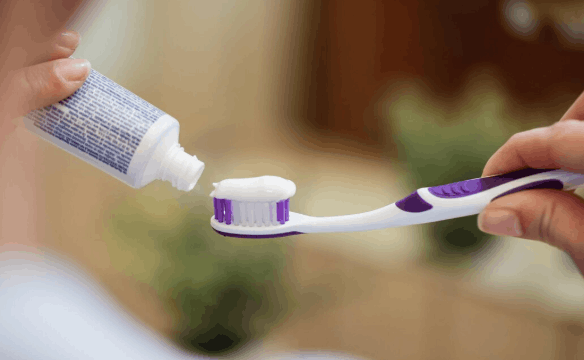
Choosing toothpaste is no longer as simple as picking between mint and whitening formulas. Today, consumers can choose from fluoride, fluoride-free, sensitivity-focused, mineral-based, and microbiome-conscious products designed around different oral-care priorities.
SuperMouth Toothpaste falls into this newer generation of formulas. Its toothpaste line uses nano-hydroxyapatite alongside ingredients such as xylitol, prebiotics, and vitamins D3 and K2. Both fluoride and fluoride-free options are available, allowing people to consider a formulation based on their individual preferences and dental needs.
ADVERTISEMENT
ADVERTISEMENT
Understanding what these ingredients actually do can help you look beyond marketing language and make a more informed choice.
What Is SuperMouth Toothpaste?
SuperMouth Toothpaste is a line of oral-care formulas centered around a proprietary ingredient complex that includes nano-hydroxyapatite and vitamins D3 and K2. The current hydroxyapatite formulas are described as containing at least 10% nano-hydroxyapatite.
The brand currently offers fluoride and non-fluoride varieties rather than taking a one-size-fits-all approach to toothpaste.
What Is Nano-Hydroxyapatite?
Hydroxyapatite is a calcium-phosphate mineral closely related to the mineral structure found naturally in teeth.
Nano-hydroxyapatite consists of very small particles of this mineral. Because of their size and similarity to tooth mineral, these particles have attracted interest in oral-care research, particularly around enamel remineralization and dentin sensitivity.
The presence of nano-hydroxyapatite does not mean toothpaste can simply grow an entirely new layer of enamel. Instead, research focuses on how mineral particles may interact with tooth surfaces and areas experiencing early mineral loss.
Fluoride and Fluoride-Free Choices
Supermouth Toothpaste is available in both fluoride-containing and fluoride-free varieties. Its fluoride formula combines fluoride with nano-hydroxyapatite, while its non-fluoride version uses nano-hydroxyapatite without added fluoride.
That distinction matters because people may choose toothpaste for very different reasons.
Some want the established cavity-prevention benefits of fluoride. Others specifically seek a fluoride-free formula and may be interested in hydroxyapatite as a mineral-based ingredient.
Why Does SuperMouth Toothpaste Contain Hydroxyapatite?
Throughout the day, teeth experience a balance between demineralization and remineralization.
Demineralization happens when acids contribute to the loss of minerals from enamel. These acids can come directly from foods and beverages or be produced by bacteria when carbohydrates are consumed.
Remineralization is the process in which minerals are redeposited into areas of early enamel mineral loss.
How Hydroxyapatite Fits Into Enamel Care
Because hydroxyapatite is calcium-phosphate based, toothpaste containing nano-hydroxyapatite introduces mineral particles directly to tooth surfaces during brushing.
The goal is not to replace significant amounts of missing tooth structure but to support the mineral environment around enamel.
This distinction is important. Early mineral changes may be capable of remineralization, while cavities, broken teeth, and substantial enamel erosion generally require professional dental care.
What Other Ingredients Are in SuperMouth Toothpaste?
Nano-hydroxyapatite may attract much of the attention, but it is only one part of the formulation.
Vitamins D3 and K2
Current SuperMouth Toothpaste formulas combine nano-hydroxyapatite with vitamins D3 and K2 as part of the brand’s Hydroxamin complex.
These ingredients are part of the overall formulation, although consumers should be careful about assuming that topical vitamins independently produce specific cavity-prevention or enamel-regeneration effects.
Xylitol
Xylitol is a sugar alcohol frequently found in oral-care products.
SuperMouth includes xylitol in its toothpaste and describes it as part of a formula intended to support moisture and the oral environment.
As with any individual ingredient, the presence of xylitol should be considered alongside the entire oral-care routine rather than viewed as a substitute for brushing or professional dental care.
Prebiotics
The formulas also contain prebiotic ingredients such as inulin. The products are positioned around supporting an oral environment that does not rely heavily on harsh antimicrobial ingredients.
This is different from claiming that toothpaste can completely control or permanently “balance” the oral microbiome.
SLS-Free and Low-Abrasivity Formulation
Current product information describes the hydroxyapatite toothpastes as SLS-free and reports a Relative Dentin Abrasivity value of 67.
Abrasivity is one consideration when selecting toothpaste, particularly for people concerned about sensitivity or exposed dentin. However, RDA values should not be used alone to rank toothpaste safety.
SuperMouth Toothpaste With Fluoride vs. Fluoride-Free
The main decision for many consumers will be whether to choose the fluoride or non-fluoride version.
SuperMouth Toothpaste With Fluoride
The fluoride version combines fluoride with at least 10% nano-hydroxyapatite, vitamins D3 and K2, prebiotics, and xylitol.
Fluoride has a long-established role in cavity prevention and remineralization. The American Dental Association states that toothpastes carrying its Seal for cavity-protection claims must contain fluoride.
This option may therefore appeal to someone who wants nano-hydroxyapatite while retaining fluoride in their daily routine.
SuperMouth Fluoride-Free Toothpaste
The fluoride-free formula contains at least 10% nano-hydroxyapatite without added fluoride.
It may appeal to people specifically looking for a non-fluoride toothpaste that still contains a mineral-focused ingredient.
Fluoride-free should not automatically be interpreted as healthier or more appropriate for everyone. People with a history of frequent cavities, significant dry mouth, orthodontic appliances, or other elevated risk factors may benefit from discussing their toothpaste choice with a dentist.
Can SuperMouth Toothpaste Help With Sensitivity?
Nano-hydroxyapatite has also attracted attention in sensitivity-focused oral care.
Tooth sensitivity can occur when dentin becomes exposed. Dentin contains microscopic channels called dentinal tubules that can transmit changes in temperature and other stimuli toward sensitive areas of the tooth.
Hydroxyapatite particles have been investigated for their ability to deposit around exposed dentin and tubules. That may help explain why the ingredient is commonly included in toothpaste designed with sensitivity in mind.
However, ongoing sensitivity should not automatically be treated as a toothpaste issue. Cavities, cracks, gum recession, or enamel erosion may also cause sensitive teeth.
How Should SuperMouth Toothpaste Fit Into Your Routine?
Even a carefully formulated toothpaste works best as one part of a complete oral-care routine.
Brush thoroughly twice a day with gentle pressure and a soft-bristled toothbrush. If you use the fluoride version, this also aligns with general ADA guidance recommending twice-daily brushing with fluoride toothpaste for cavity prevention.
Cleaning between the teeth remains important because toothbrush bristles cannot effectively reach every surface.
It also helps to limit frequent exposure to sugary foods and drinks, moderate highly acidic beverages, stay hydrated, and address persistent dry mouth.
Frequently Asked Questions About SuperMouth Toothpaste
Does SuperMouth Toothpaste contain fluoride?
Both options are available. SuperMouth currently offers fluoride-containing and fluoride-free hydroxyapatite toothpaste.
Does SuperMouth Toothpaste contain nano-hydroxyapatite?
Yes. Current hydroxyapatite formulas are described as containing at least 10% nano-hydroxyapatite. Is SuperMouth Toothpaste SLS-free?
Current product information describes its hydroxyapatite formulas as free from SLS.
Can SuperMouth Toothpaste regrow enamel?
Hydroxyapatite may support processes related to early remineralization, but toothpaste cannot simply regenerate enamel that has already been substantially lost through erosion, decay, or physical damage.
Which SuperMouth Toothpaste should I choose?
The answer may depend on cavity risk, sensitivity, fluoride preferences, age, dry mouth, current dental conditions, and recommendations from your dentist.
Conclusion
SuperMouth Toothpaste stands out primarily because of its combination of nano-hydroxyapatite with ingredients such as vitamins D3 and K2, xylitol, and prebiotics, along with the availability of both fluoride and fluoride-free formulas.
For someone interested in mineral-focused oral care, sensitivity support, or a fluoride-free option, these formulations provide several choices worth understanding.
However, toothpaste alone cannot determine oral health. Consistent brushing, cleaning between the teeth, limiting frequent sugar and acid exposure, maintaining healthy saliva flow, and getting appropriate professional dental care remain essential parts of a healthy routine.
Share this article



Latest Posts





ADVERTISEMENT