

Beyond the Before-and-After: Making Sense of Non-Surgical Body Contouring
- Updated on: Oct 8, 2026
- 4 min Read
- Published on Oct 8, 2026
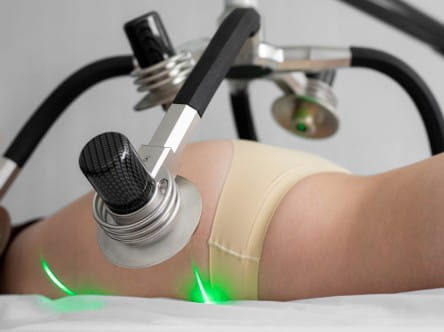
Body contouring can sound appealing when exercise and everyday routines have not changed a particular area as much as you hoped. In Greensboro, North Carolina, the population reached an estimated 308,667 in 2025, according to Census Bureau figures. For anyone exploring cosmetic treatments there, having options makes careful comparison more important, not less. Non-surgical fat reduction may help reshape certain localized bulges, but it is not a shortcut to substantial weight loss. Knowing what the technology can accomplish, who should avoid it, and how results develop makes for a more useful consultation.
Understand What the Treatment Actually Changes
Non-surgical fat reduction aims to alter the contour of a particular area by reducing some fat cells beneath the skin. It does not treat the underlying causes of weight gain, replace healthy habits, or necessarily correct loose skin.
ADVERTISEMENT
ADVERTISEMENT
Different devices use cooling, heat, or other energy-based approaches. Cryolipolysis, often called fat freezing, draws a section of tissue into an applicator and cools it under controlled conditions. The body gradually clears some of the affected fat cells afterward.
The key word is gradually. A treatment that changes the appearance of a small bulge should not be confused with an intervention designed for overall weight management.
Look at Candidacy Before Comparing Machines
Good candidates generally have a defined, pinchable area of fat, relatively stable weight, and expectations that match the modest changes these treatments can produce. Skin quality and the exact location of the bulge matter too.
A consultation should cover medical history, prior procedures, relevant medications, and conditions that could make cooling unsafe. Certain cold-sensitive disorders are reasons to avoid cryolipolysis. A suspected hernia or weakened abdominal wall also requires particular caution.
If you’re researching CoolSculpting Elite in Greensboro, the area has professionals who can discuss whether cooling-based contouring is suitable for your anatomy and goals. Ask about the specific applicators used, the provider’s training, and why this approach is being recommended over alternatives. The device name alone does not establish that the treatment is right for you.
Know What Happens During an Appointment
A typical cooling appointment starts with an assessment of the treatment area. The provider may take photographs, mark the skin, and select an applicator that fits the intended contour. A protective barrier is applied before the tissue is drawn into the device.
You may feel pulling, pressure, intense cold, or tingling before the area becomes numb. Afterward, the provider may massage the treated tissue. Some people find that uncomfortable even when the procedure itself was tolerable.
Understanding the steps involved in fat freezing can help you prepare practical questions. Ask how long the appointment will take, what sensations are expected, and which symptoms should prompt a call afterward.
Give Results Time to Become Visible
Unlike a surgical procedure that physically removes fat during an operation, cooling-based contouring works through a biological process that continues after you leave the clinic. Changes often emerge over weeks, with fuller results taking several months.
Some people need more than one treatment, and the amount of visible improvement varies. Photographs taken in different lighting or poses can make modest changes seem much larger, so compare images carefully.
It also helps to understand that remaining fat cells can still enlarge with weight gain. Stable routines may support the appearance of your result, but treatment does not make future body changes impossible.
Take Risks Seriously, Even Without Surgery
Avoiding an incision does not eliminate medical risk. Temporary redness, swelling, bruising, soreness, and numbness may occur after cooling treatments. More serious complications, including cold injury or nerve effects, are possible.
One uncommon but important complication is paradoxical adipose hyperplasia, in which the treated area becomes larger and firmer instead of shrinking. It may appear months later and may require surgery to address.
Reviewing the potential complications of non-invasive body contouring before consenting can help you recognize the difference between expected recovery and a problem needing assessment.
A provider should explain these possibilities plainly, without dismissing them because they are uncommon.
Compare the Full Cost, Not the Introductory Price
The advertised session price may not reflect the complete plan. A recommendation could involve several areas, multiple applicator cycles, follow-up appointments, or repeat sessions to pursue your desired contour.
Ask for a written estimate that describes what is included and whether additional sessions would cost more. Clarify how progress will be evaluated and what happens if the result is less noticeable than expected.
A bargain is not useful if it encourages treatment you do not need. Good value means appropriate care, clear consent, realistic expectations, and a price you can assess without pressure.
Consider Alternatives Before Committing
Sometimes the concern is not primarily a localized fat bulge. Loose skin, muscle separation, or broader weight changes may call for a different discussion. A responsible clinician should be willing to say when the proposed treatment is unlikely to meet your goal.
Depending on your circumstances, options might include continuing non-procedural approaches, considering another contouring technology, seeking specialist assessment, or deciding not to undergo treatment at all.
You do not need to make a decision during the first consultation. Time to compare explanations and ask follow-up questions is part of informed choice.
Make the Choice About Your Goals, Not the Hype
Before booking, describe the change you actually want to see. Is it a subtle adjustment in one area, or are you hoping for a much larger transformation? The answer determines whether non-surgical contouring deserves a place in your plans.
Look for a provider who listens, checks for contraindications, explains uncertainty, and discusses costs and complications without guarantees. Photographs and marketing language cannot replace a personalized assessment.
The most useful outcome is not necessarily a procedure. It is understanding your options well enough to choose confidently, including the option to wait. That kind of clarity matters long after an appointment ends.
Share this article


Latest Posts





ADVERTISEMENT