


Five Reasons Alcohol Makes Us Fat
- Updated on: Oct 13, 2026
- 3 min Read
- Published on Oct 13, 2026
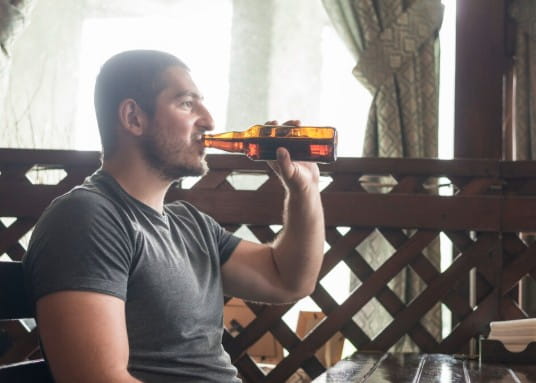
Alcohol is often treated as a harmless part of socialising, relaxing or celebrating, but regular drinking can have an impact on body weight as well as overall health. If you are trying to lose weight or make healthier lifestyle choices, understanding the relationship between alcohol and weight gain can be useful. For anyone looking for alcohol detoxification, recognising how drinking may be affecting your eating habits and daily routine can also be an important step.
It is worth remembering that alcohol does not automatically make everyone gain weight. Body weight is influenced by many factors, including diet, physical activity, genetics, sleep and overall health. However, alcohol can contribute to weight gain in several ways, particularly when it is consumed regularly or in larger quantities.
ADVERTISEMENT
ADVERTISEMENT
So, why can alcohol make it harder to maintain a healthy weight? Here are five important reasons.
1. Alcohol Contains Plenty of Calories
Alcohol provides around seven calories per gram, making it relatively energy-dense. Drinks can also contain additional calories from sugar, syrups, mixers and other ingredients.
A few drinks during an evening can therefore add a significant number of calories without necessarily making you feel full. If those calories are consumed regularly, they can contribute to an overall calorie surplus and gradual weight gain.
2. Drinking Can Encourage Unhealthy Food Choices
Alcohol can affect judgement and reduce inhibitions, which may make it easier to reach for foods you would normally avoid.
After a few drinks, a takeaway, crisps, chips or other high-calorie snacks can suddenly seem much more appealing. Late-night eating can add further calories to your daily intake, particularly if drinking regularly becomes associated with ordering food.
This can create a pattern where alcohol and calorie-dense foods become linked.
3. Your Body Prioritises Processing Alcohol
When you drink alcohol, your body prioritises metabolising it because it needs to process alcohol rather than storing it for later use.
This can temporarily affect how your body handles other sources of energy. While this does not mean that every calorie eaten alongside alcohol is automatically stored as fat, regularly consuming more energy than your body needs can contribute to weight gain.
The overall balance of calories consumed and used remains important.
4. Alcohol Can Affect Sleep
Although alcohol can initially make some people feel sleepy, it can interfere with normal sleep patterns and reduce sleep quality.
Poor sleep can affect energy levels and motivation the following day, potentially making exercise feel more difficult. Being tired may also increase the appeal of convenient, high-calorie foods.
If drinking regularly contributes to disrupted sleep, the combination of tiredness, reduced activity and changes in eating habits may make maintaining a healthy weight more challenging.
5. Drinking Can Become Part of a Routine
Perhaps one of the biggest issues is how easily alcohol can become incorporated into everyday life. A drink after work, wine with dinner or regular weekend drinking can gradually become an expected part of a routine.
The calories may not seem significant on any single occasion, but they can add up over weeks and months. Regular drinking may also replace healthier activities, such as exercising, cooking nutritious meals or getting enough sleep.
For someone concerned about their drinking, seeking alcohol help can provide an opportunity to look at these habits and understand whether alcohol is affecting their wider wellbeing.
Looking Beyond the Scales
Alcohol and weight are connected in complex ways, and losing weight is not simply a matter of eliminating alcohol. However, reducing your intake may remove a significant source of calories while also making it easier to establish healthier routines.
If you are concerned about how much you drink, consider speaking to your GP or an appropriate alcohol support service. And if you suspect you are dependent on alcohol, seek medical advice before suddenly stopping, as withdrawal can sometimes be dangerous.
Making changes to your drinking habits can be about much more than weight. It can also be an opportunity to improve your sleep, energy, finances and overall wellbeing.
Share this article


Latest Posts




ADVERTISEMENT