

Worsening Myopia? When to See an Eye Doctor About Your Options
- Updated on: Oct 15, 2026
- 3 min Read
- Published on Oct 15, 2026

Picture a typical evening in New York City. You squint at the subway map, lean closer to a restaurant menu, and wonder why the street signs on your walk home look softer than they did last year. Your glasses are not that old. So what is going on?
Here is the surprising part. Nearsightedness does not always stay put once you reach adulthood, and small changes can add up quietly. Knowing when a blurry moment is just tired eyes and when it is time to call an eye doctor can make a real difference for your long-term vision.
ADVERTISEMENT
ADVERTISEMENT
What Worsening Myopia Actually Looks Like
Myopia, or nearsightedness, means close objects look clear while distant ones look blurry. When it is getting worse, the signs are often subtle. You might squint at the television, struggle to read signs while driving at night or notice that your current glasses no longer feel quite sharp enough.
Other common clues include frequent headaches, tired or strained eyes after screen time, and a habit of moving closer to see details. Many adults simply adjust without realizing it. That is why regular checkups with an eye doctor matter, even when your vision feels mostly fine day to day.
Why Nearsightedness Can Keep Changing
Myopia usually develops in childhood and often progresses through the teenage years as the eye grows longer. For many people it stabilizes in their twenties, but not always. Long hours of close-up work, limited time outdoors and family history can all play a role in ongoing changes.
Heavy screen use is a common modern factor. Staring at phones and laptops for hours keeps the eyes focused up close, and that strain can make symptoms feel worse. An eye doctor can measure whether your prescription is truly shifting or whether tired eyes are affecting your sight.
When It Is Time to Book an Eye Exam
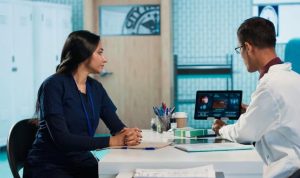
Needing a stronger prescription two years in a row, or glasses that feel outdated within months, is worth discussing. Many people looking for an eye doctor in New York City want more than a new prescription. Dello Russo Laser Vision, based in Midtown Manhattan, starts with a free consultation.
The practice, led by ophthalmologist Dr. Jeffrey Dello Russo, has more than 30 years of experience with vision correction. Its team offers custom LASIK, PRK, and EVO Visian ICL and uses wavefront mapping and real-time eye tracking to help tailor treatment to each patient and their prescription.
Symptoms That Should Not Wait
Most myopia changes happen slowly, but some symptoms need prompt attention. Higher levels of nearsightedness are linked to a greater risk of retinal problems. Sudden flashes of light, a shower of new floaters, or a shadow moving across your vision should never be ignored or brushed aside.
These signs can point to a retinal tear or detachment, which is an emergency. Contact an eye doctor or go to urgent care the same day. Sudden blurry vision in one eye, eye pain or a noticeable change in how colors look also deserve a quick professional check.
Your Options Beyond Stronger Glasses
Glasses and contact lenses remain simple, effective choices for many people. But they are not the only path forward. Laser procedures such as LASIK and PRK reshape the cornea to correct nearsightedness, while implantable lenses can be an option for people with higher prescriptions or thinner corneas.
Children and teens with fast-changing myopia have their own options, such as special contact lenses or eye drops that may help slow progression. Every option has pros, cons and eligibility rules, so the right choice depends on your age, eye health, lifestyle and how stable your prescription has become.
Why Myopia Deserves Attention Now
Myopia is becoming far more common around the world, and the numbers are striking. A major study published in the journal Ophthalmology estimated that 22.9% of the world population was nearsighted in 2000 and projected that the figure will reach 49.8%, or about 4.8 billion people, by 2050.
The same research projected that around 938 million people will have high myopia by then. That matters because stronger nearsightedness is linked to a higher risk of serious eye conditions later in life. Regular visits to an eye doctor help catch changes early and keep your options open.
Conclusion: See Clearly, Plan Ahead
Worsening myopia is common, but it should not be ignored. Pay close attention to frequent prescription changes, squinting, headaches and eye strain. Above all, treat sudden flashes, new floaters or shadows in your vision as urgent, and get them checked right away rather than waiting it out.
Regular exams help you understand what is changing and why. Whether you stay with glasses, switch to contacts or explore vision correction, a thoughtful conversation with a trusted eye care professional is the best first step. Clear vision is worth protecting, today and in the years ahead.
Share this article

Latest Posts



ADVERTISEMENT