
Can You Stretch Your Stomach After a Gastric Sleeve? What Changes Over Time
- Updated on: Oct 21, 2026
- 4 min Read
- Published on Oct 21, 2026
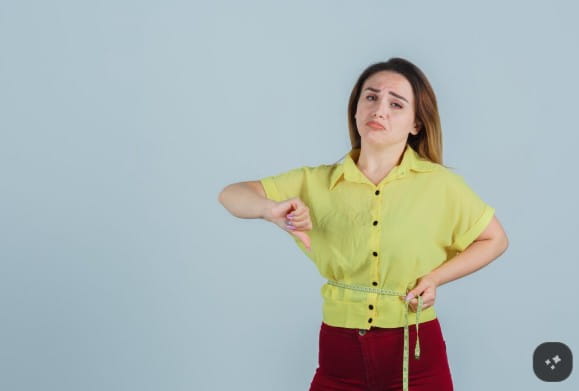
A gastric sleeve removes much of the stomach, but the remaining sleeve can become more accommodating as you heal and your eating patterns change.You may eventually hold more food, but a larger meal does not automatically mean the sleeve has been permanently stretched.
That matters if portions are growing, hunger has returned, or you’re concerned about weight regain. This article explains expected changes, habits that can reduce restriction, and when to seek medical review.
ADVERTISEMENT
ADVERTISEMENT
What actually changes in stomach size after gastric sleeve
A sleeve gastrectomy removes most of the stomach, leaving a narrow, tube-shaped stomach. As swelling settles, stomach capacity after sleeve surgery increases and eating usually becomes more comfortable.
That normal adaptation is different from returning to your pre-surgery stomach. Early on, a few bites may feel filling; later, a modest meal may feel comfortable. The phrase gastric sleeve pouch size can mislead because a sleeve isn’t a separate pouch.
| Normal adaptation | Possible concern |
| Gradually tolerating larger portions | Sudden, persistent loss of restriction |
| Feeling full with a modest meal | Regularly eating unusually large meals |
| Less discomfort after eating | Significant weight regain without a clear cause |
| Easier eating months after surgery | New or worsening reflux, vomiting, or pain |
Can the Sleeve Expand Over Time?
The sleeve isn’t a rigid tube. The stomach tissue can relax and accommodate food, a normal process known as gastric accommodation. This means you may eventually tolerate more food than you did soon after surgery without having a permanently enlarged stomach.
A true increase in the sleeve’s size is different. It refers to a lasting anatomical change that can only be confirmed through medical evaluation, not by how full you feel after one meal. The fact that you can finish a larger portion also doesn’t prove that the sleeve has stretched.
What matters is the pattern over time. A gradual increase in food tolerance can be expected, while a marked and persistent change in portion size, especially alongside weight regain or other symptoms, is a reason to speak with your bariatric team.
How eating habits can increase capacity over time
Repeatedly eating past comfortable fullness is the main habit to address. Habits that make this easier include:
Grazing throughout the day can lead to much more food without the clear portion cues of meals.
Eating quickly can delay fullness, so you may finish more before the signal catches up.
Chips, sweets, nut butters, and liquid calories can pack substantial energy into small volumes.
Increasing portions simply because they “fit” can reset what feels like a normal serving.
A common mistake is assuming a bigger portion proves the sleeve has stretched. Food type and eating behavior can change your experience of gastric sleeve restriction over time even when the anatomy has changed little.
When increased hunger or portions point to a real problem
A sustained change deserves medical attention when it comes with significant sleeve gastrectomy weight gain, new symptoms, or a clear loss of restriction. Increased hunger can reflect eating patterns, reduced activity, medication effects, or metabolic changes, so it shouldn’t be blamed on sleeve size without an assessment.
Contact your bariatric team if you notice:
- persistent ability to eat much larger portions than before
- significant or rapid weight regain
- frequent vomiting, worsening reflux, or ongoing abdominal pain
- a major unexplained change in eating tolerance
Doctors may use your history, examination, nutrition review, and sometimes imaging or other testing to work out what’s happening. Self-diagnosing an enlarged stomach after gastric sleeve from one big meal isn’t reliable.
What to do if you think your sleeve has stretched
Start by tracking meal sizes, meal frequency, hunger, reflux or vomiting, and weight changes for a few weeks. That gives your clinician useful information for gastric sleeve follow-up.
Don’t respond with crash dieting or extreme restriction. A bariatric surgeon, dietitian, or other qualified specialist can look for the cause and decide whether nutrition changes, medication, testing, or, in selected cases, a revision procedure makes sense. For local specialist care, gastric sleeve surgery in LA is a useful topic to discuss with a bariatric practice that offers long-term follow-up.
Frequently Asked Questions
Can a gastric sleeve go back to its original size?
A gastric sleeve generally doesn’t return to its original pre-surgery size. It can become more accommodating over time, but that is different from restoring the stomach to its former anatomy.
How long after gastric sleeve can you eat more?
You can usually tolerate more food as healing progresses, especially after the early postoperative period. The pace varies, so your surgical team’s portion guidance should take priority.
Why can I eat more two years after gastric sleeve?
Eating more after gastric sleeve, even two years later, can reflect normal adaptation, eating habits, food choices, or reduced restriction rather than definite anatomical stretching. A persistent change paired with weight regain or symptoms deserves follow-up.
Can overeating damage a gastric sleeve?
Repeated overeating can work against the surgery’s intended restriction and may contribute to weight regain. It doesn’t mean every episode permanently enlarges the sleeve.
When should I see my surgeon about a stretched sleeve?
See your bariatric team for persistent loss of restriction, significant weight regain, new reflux or vomiting, pain, or a major unexplained change in eating tolerance. They can determine whether the issue is behavioral, medical, or anatomical.
Conclusion
Judge the trend, not one meal. If your portions are steadily increasing and the change comes with weight gain or symptoms, arrange a bariatric review rather than assuming you stretched the sleeve or trying extreme restriction. If you feel well and your weight and eating pattern are stable, gradual increases in food tolerance are often part of life after sleeve surgery.
Share this article


Latest Posts




ADVERTISEMENT