

How Does Laser Skin Treatment Work? A Look at Common Technologies
- Updated on: Nov 13, 2026
- 4 min Read
- Published on Nov 13, 2026
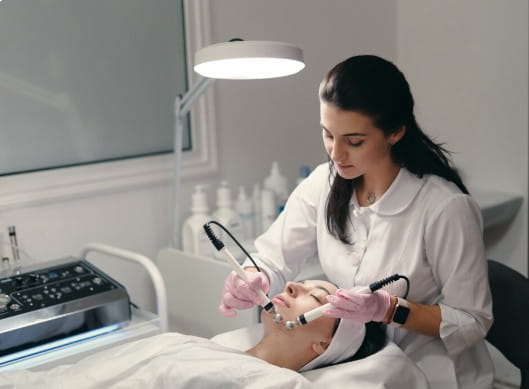
Uneven skin tone, acne scars, sun damage, and fine lines can change how your skin looks over time. Skincare products may help with some of these concerns, but they cannot always reach the deeper layers where certain changes begin. This is one reason laser and light-based treatments have become popular options for skin care.
For people exploring these treatments in Orlando, understanding how the technology works can make it easier to know what to expect. Different devices use different types of light and energy, and each one targets specific skin concerns. Some remove damaged surface layers, while others work deeper in the skin to encourage collagen growth.
ADVERTISEMENT
ADVERTISEMENT
How Does Laser Treatment Affect the Skin?
Laser stands for Light Amplification by Stimulated Emission of Radiation. In simple terms, a laser produces a focused beam of light with a specific wavelength. When this light reaches the skin, certain cells and structures absorb the energy.
The treatment works by directing energy toward a target, such as pigment, small blood vessels, hair follicles, or water in the skin. Depending on the device and its settings, the energy can break down unwanted pigment, heat selected tissues, or remove thin layers of damaged skin.
Some treatments also encourage the body to produce more collagen. Collagen is a protein that helps keep skin firm and smooth. As we age, the body makes less collagen, which can contribute to wrinkles and changes in skin texture.
1. Ablative Lasers Remove Damaged Surface Skin
Ablative lasers work by removing thin layers of the skin. They use heat to vaporize damaged surface cells, allowing new skin to form as the area heals. The heat can also affect deeper tissue and encourage collagen production.
CO₂ and erbium lasers are common examples. Both can help improve wrinkles, acne scars, and uneven skin texture, although they work in different ways and may require different levels of recovery.
Because ablative treatments remove skin tissue, they often produce more noticeable changes than gentler options. However, they can also cause redness, swelling, and peeling during recovery. The healing period depends on the laser type, treatment depth, and size of the area being treated.
2. Non-Ablative Lasers Work Beneath the Skin’s Surface
Non-ablative lasers take a different approach. Instead of removing the outer skin layer, they send controlled heat into deeper tissues while leaving most of the surface intact.
This heat can encourage collagen production and help improve fine lines, mild wrinkles, and uneven texture over time. Since the outer layer is not removed, recovery is often shorter than with ablative treatments.
The results may also develop more slowly. Some people need several sessions before they notice a clear difference. This can be a useful option for someone who wants gradual improvement and cannot take much time away from work or daily activities.
Neither approach is right for every person. The best choice depends on the skin concern, the amount of change desired, and how much recovery time someone can manage.
3. Fractional Lasers Treat Small Areas at a Time
Fractional technology is designed to treat the skin in tiny sections rather than covering the entire surface at once. The device creates small columns of treated tissue with areas of healthy skin left between them.
These untreated areas help the skin heal. They also allow fractional treatments to improve texture and stimulate collagen while often causing less damage than traditional full-surface resurfacing.
Some fractional devices are ablative, while others are non-ablative. For example, ProFractional and Sciton HALO are among the technologies used in modern skin resurfacing. At practices such as Clark Institute for Aesthetics, a range of options allows providers to match the treatment to concerns such as scars, uneven texture, and sun damage. The choice of device and settings depends on the skin being treated and the results a patient hopes to achieve.
4. IPL and BBL Use Broad-Spectrum Light
Intense pulsed light (IPL) and broadband light (BBL) are often discussed alongside laser treatments, but they are not technically lasers. Instead of using one focused wavelength, they send out controlled pulses of light across a range of wavelengths.
This makes them useful for treating certain types of discoloration and visible blood vessels. The light is absorbed by pigment or blood vessels, heating the target so the body can gradually clear the affected material.
IPL and BBL may help with sunspots, redness, and uneven skin tone. They are also used for some hair removal treatments. Clark Institute’s laser skin treatment in Orlando includes other light-based options such as Sciton BBL HERO, alongside several laser technologies.
The number of sessions varies. Some people see changes after one visit, while others need a series of treatments for the result they want.
5. Your Skin Type Helps Determine the Right Technology
Laser treatment is not a one-size-fits-all process. Skin tone, sensitivity, medical history, and the type of concern being treated all affect which device and settings may be suitable.
People with darker skin tones, for example, may have a higher risk of burns or dark marks after certain laser treatments. This is because the pigment in the skin can absorb some of the energy meant for another target. An experienced provider should understand these risks and choose a suitable approach.
The American Academy of Dermatology advises patients to seek care from a qualified dermatologist with experience treating their skin type. It also recommends protecting the skin from the sun before and after treatment.
Wrapping Up
Laser and light-based treatments can improve several skin concerns, but each technology works differently. Some remove damaged surface cells, others heat deeper tissues, and some target pigment or blood vessels.
A proper skin assessment helps determine which option may be suitable, how many sessions may be needed, and what recovery will involve. Ask questions before treatment so you understand the likely benefits, risks, and limits.
Share this article



Latest Posts





ADVERTISEMENT