

Why Sciatica Pain Lingers and How to Address It
- Updated on: Nov 19, 2026
- 3 min Read


Sciatica can persist when irritation around the sciatic nerve continues after the first painful episode. Symptoms may fade for several days and then return after prolonged sitting, lifting or an abrupt change in activity. Addressing the source of nerve irritation, improving movement patterns and watching for warning signs can help prevent a temporary flare-up from becoming a longer-term problem.
Understanding Sciatic Nerve Compression
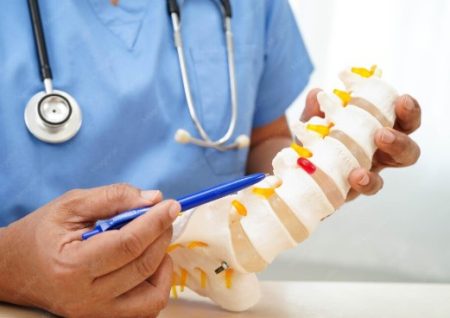
The sciatic nerve runs from the lower back through the buttocks and down each leg. Sciatica occurs when a spinal structure irritates or compresses nerve roots that contribute to this large nerve. A herniated disc, age-related spinal changes or narrowing around the nerve may be responsible.
ADVERTISEMENT
ADVERTISEMENT
Common sciatica symptoms and causes include burning pain, tingling, numbness and weakness along one side of the body. Since nerves can remain sensitive after pressure decreases, discomfort may linger beyond the original injury. Pain intensity also varies with posture and movement, so a person may feel comfortable walking but develop symptoms after 30 minutes at a desk.
Everyday Triggers Behind Flare-Ups
Extended sitting is a frequent trigger because it keeps the hips bent and may increase pressure in the lower back. A soft couch, an unsupported car seat or a low workstation can make the problem worse. Repeated bending and twisting, especially while moving boxes or doing yard work, may also reactivate symptoms.
Track what happened in the hours before each flare-up. Details such as sitting duration, exercise type and sleeping position can reveal useful patterns. If symptoms keep returning despite basic adjustments, a chiropractor can assess spinal movement and discuss non-surgical care where appropriate. An evaluation also helps distinguish nerve-related pain from muscle, hip or joint problems that may feel similar.
Non-Invasive Paths to Spinal Relief
Most cases are initially managed without surgery. Short periods of relative rest may help during an intense episode, but staying in bed for several days can lead to stiffness and reduced muscle support. Gentle walking often provides a more useful starting point, as long as it doesn’t increase pain or weakness.
Other sciatica relief strategies may include heat, cold packs and guided stretching. Physical therapy can address limited mobility, core strength and movement habits. Some clinicians may also consider spinal decompression or manual care after examining the person and reviewing relevant medical history. Readers dealing with an active flare-up can find further practical guidance on what to do for sciatica pain relief.
Daily Habits to Protect Nerve Health
Change positions regularly during the day. If you work at a desk, stand or walk for two to five minutes every 30 to 60 minutes. Keep both feet supported and place the screen near eye level so you don’t repeatedly lean forward.
When lifting an everyday object such as a laundry basket, hold it close to your body and turn with your feet instead of twisting through the waist. Gradually build strength in the abdomen, hips and back under suitable guidance. Sleep position may matter too. Side sleepers can place a pillow between the knees, while back sleepers may feel less strain with a pillow beneath them. Stop any exercise that causes increasing leg pain, numbness or weakness.
Knowing When to Seek Professional Care
Arrange an assessment when pain lasts longer than a few weeks, repeatedly disrupts sleep or limits normal walking and work. A clinician may check reflexes, strength and sensation, then decide whether imaging or specialist care is warranted. Imaging isn’t always necessary during an uncomplicated early episode because examination findings often guide initial treatment.
Seek urgent medical attention for new loss of bladder or bowel control, numbness around the groin or rapidly worsening leg weakness. Severe symptoms affecting both legs also require prompt evaluation. These signs may indicate significant nerve compression that shouldn’t be managed at home. For less urgent symptoms, keep a brief record of triggers, pain location and changes in strength so your clinician has specific information to assess.
Share this article


Latest Posts





ADVERTISEMENT