



How Social Media Is Silently Affecting Your Mental Health And What You Can Do About It
- Updated on: Nov 23, 2026
- 4 min Read

Sonalika Ghosh is a dedicated biotechnologist who holds a Master's degree in Biotechnology. She completed both her Bachelor's and Master's degrees at Amity University, Noida, fostering a strong foundation in the field. Passionate about advancing healthcare and research, she actively contributes to these domains. Presently, Sonalika serves as a Research Analyst at Maxinov Solutions Pvt. Ltd. while also employing her expertise as a medical content writer for DiseaseFix.
- Published on Nov 23, 2026
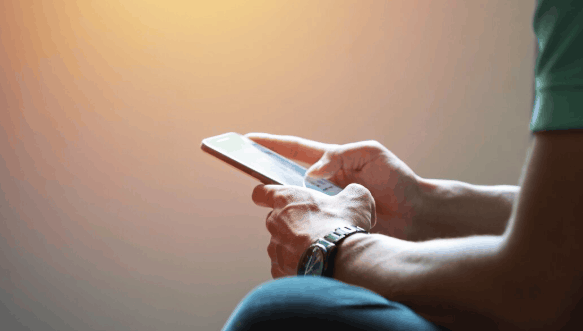
You open Instagram to check one notification. Twenty minutes later, you have scrolled through holiday pictures, career milestones, fitness transformations and updates from people you barely know. Nothing particularly upsetting has happened, yet you find yourself feeling distracted, inadequate or strangely low.
Does this sound familiar?
ADVERTISEMENT
ADVERTISEMENT
Social media has become an integral part of how we communicate, discover information and stay connected. While it offers opportunities for connection and self-expression, our everyday digital habits can also influence how we feel about ourselves and the world around us. Understanding the relationship between social media and mental health is an important first step towards building healthier online habits.
How Social Media Affects Mental Health
The impact of social media is not always obvious. It can be gradual, shaped by the content we consume, the time we spend online and how we engage with what we see. Here are some ways it can influence our mental well-being.
The Comparison Trap
Social media often presents carefully selected moments of people’s lives. From career achievements and picture-perfect holidays to fitness goals and personal milestones, it can create the impression that everyone else is doing better.
Constantly comparing your everyday experiences with someone else’s highlights can affect self-esteem and contribute to feelings of inadequacy, dissatisfaction and self-doubt.
Research published in the Journal of Affective Disorders highlights that problematic social media use is associated with greater symptoms of depression and anxiety. These findings underline the importance of paying attention to how online engagement makes us feel.
The Pressure to Stay Connected
Notifications, messages and trending conversations can make it difficult to disconnect. There is often an unspoken pressure to stay updated, respond quickly and remain visible online.
This can contribute to the fear of missing out (FOMO), where you feel anxious about not being part of experiences or conversations happening elsewhere.
Over time, constantly checking your phone can make it harder to be present in everyday moments, enjoy offline activities or give yourself time to unwind.
Information Overload and Emotional Fatigue
Social media exposes us to an endless stream of information, including news, opinions, personal updates and distressing events. While staying informed is important, consuming too much information without taking breaks can feel overwhelming.
Repeated exposure to upsetting news, online arguments or negative content may contribute to stress and emotional fatigue.
These are some of the social media effects on mental health that can go unnoticed because they become part of our daily routine.
Disrupted Sleep and Reduced Downtime
Scrolling through social media before bedtime can make it harder to establish a relaxing night-time routine. Notifications and the urge to check one more post can also delay sleep.
Concerns around excessive social media use, including its association with poor sleep quality and sleep difficulties among young people. Poor sleep, in turn, can affect mood, concentration and emotional well-being.
What Can You Do to Build a Healthier Relationship with Social Media?
Understanding how social media affects mental health does not mean you need to give up your favourite platforms. Instead, small and consistent changes can help you develop a more balanced relationship with them.
Become More Mindful of Your Screen Time
Start by noticing how much time you spend on social media and when you tend to reach for your phone. Set realistic daily limits and consider scheduling specific times to check your accounts rather than scrolling throughout the day.
Curate Your Feed
Pay attention to the content you consume and how it makes you feel. Unfollow or mute accounts that trigger constant comparison, negativity or self-doubt. Make room for content that educates, inspires and encourages meaningful connections.
Create Screen-Free Moments
Try keeping your phone away during meals, conversations and the hour before bedtime. You could also begin your morning without immediately checking notifications. These small boundaries can help you reconnect with your surroundings and make time for activities beyond the screen.
Prioritise Real-Life Connections
Online interactions can help us stay connected, but they do not always replace the value of face-to-face conversations. Make time for friends, family, hobbies and activities that bring you joy. Meaningful offline connections can offer emotional support and a sense of belonging.
Check In With Yourself
Before opening an app, pause and ask yourself why you are reaching for your phone. Are you looking for information, connection or simply passing time? Notice how you feel after scrolling. If you consistently feel anxious, low or overwhelmed, consider taking a break and reflecting on what might help.
When Should You Seek Support?
If social media use is beginning to affect your sleep, relationships, work, self-esteem or everyday functioning, it may be worth speaking to a mental health professional.
If you feel you could benefit from professional support, visit The Live Love Laugh Foundation’s Find Help page to explore mental health professionals and counselling services that can support you on your journey towards better mental well-being.
The social media effects on mental health can vary from person to person. There is no single amount of screen time that determines whether someone’s social media use is healthy or unhealthy. What matters is how it affects your daily life and emotional well-being.
Making Space for a Healthier Digital Life
Social media is not inherently harmful. It can help us find communities, share experiences, access information and feel less alone. However, being mindful of our online habits is just as important as staying connected.
A healthier approach to social media and mental health begins with recognising when scrolling stops adding value to your day and starts taking away from your well-being.
You do not have to disconnect completely. Sometimes, all it takes is a pause, a little perspective and the choice to be more present in your own life.
Share this article



Latest Posts




ADVERTISEMENT