The eyes are one of the most complicated parts of the human body, and when something’s wrong, you soon know about it.
Issues associated with the eyes are also a very common occurrence, and from problems that are simply a bit annoying to those that are completely debilitating, there’s a wide range of things that can go wrong.
If you’ve had concerns with your eyes in the past or have a family history of them, you’re likely wanting to clue up on any potential issues that could affect you – but given how many there are, it can be difficult to get a handle on things.
To help you out, here are four of the most common types of eye problems you should know about.
- Dry Eye Syndrome
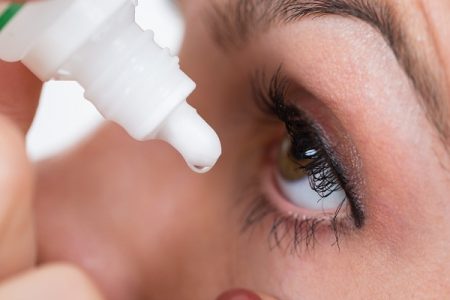
Dry eye syndrome affects millions worldwide, and as the name suggests, it results when the eyes don’t produce enough fluid. This can lead to the delicate structures in the area becoming red and irritated, which also hamper a person’s ability to use digital screens and read.
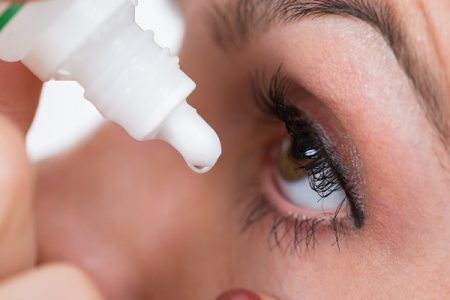
Artificial tears remain the most common tool for fixing the issue, though in extreme cases, stronger prescription medication may be required.
- Conjunctivitis
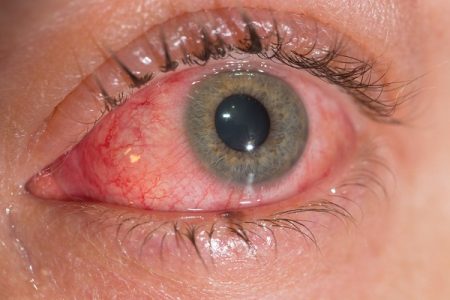
Conjunctivitis is characterized by redness, itching, and discharge from the eye area. This problem is highly contagious and can easily be spread by touch. It typically happens when bacteria enter the white part of the eye and temporarily damage the conjunctiva, which is a thin layer that sits on the surface of the eyeball.
The problem is usually managed by antibiotic eye drops if bacteria are the cause, while antihistamines resolve it if it’s happened due to an allergic reaction.
- Refractive Errors
Refractive errors happen when the natural shape of the eye doesn’t allow enough light into the retina, which causes a blurring of the vision. They can cause eyestrain and headaches, as well as difficulty reading and focusing.
There are several different types of refractive error covering a range of conditions. There’s myopia (nearsightedness), astigmatism (visual distortion due to an irregularly shaped cornea), and hyperopia (farsightedness).
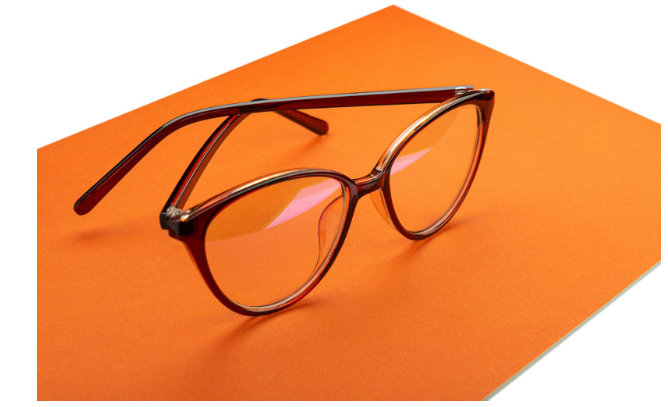
Collectively, refractive errors make up one of the main reasons people wear glasses. As such, prescription lenses usually solve the problem, and some people opt for contact lenses or laser eye surgery.
- Cataracts
Cataracts are a clouding of the lens, which naturally leads to blurred vision. They’re most common in older people, but conditions like diabetes can worsen it. They can also occur from an acute injury to the eye.
To fix the problem, an eye surgeon physically removes the cloudy lens and replaces it with an artificial one. This is a very delicate procedure, but it has a high success rate.
Wrapping Up
Eye health is a key part of caring for your body, but unfortunately, not many people pay enough attention to it.
The above article by no means covers every common condition that can affect the eye, but it’s a start. The more you know, the quicker you can rectify any problem that arises.