


Critical Healthcare Skills That Shape Modern Patient Care
- Updated on: Mar 26, 2026
- 4 min Read

Dr. Rida Maryam is a dedicated medical practitioner with a focus on the management of chronic diseases. Her areas of interests include diabetes and women health. Dr. Maryam’s commitment to her specialty is rooted in a strong academic background and a deep passion for improving delivering quality and passionate care to her patients.
- Published on Mar 26, 2026
Healthcare today moves fast. New technologies enter hospitals every year. Treatment plans grow more specialized. Patients ask more questions and expect clear answers.
So what truly shapes modern patient care? Is it advanced machines? New medications? Bigger hospitals? Those matter, of course. But the real difference often comes down to skills. The practical, human, and technical abilities that healthcare professionals bring into every patient interaction. So, if you’ve ever wondered what separates average care from excellent care, you’re about to find out.
ADVERTISEMENT
ADVERTISEMENT
Let’s look at the critical healthcare skills that truly shape modern patient care and why they matter more now than ever.
Surgical Skills and Technical Precision
Surgical care has advanced rapidly in recent years. Procedures that once required long hospital stays now allow quicker recovery. Minimally invasive techniques reduce trauma and improve outcomes. At the same time, an aging population continues to increase demand for surgeries such as joint replacements, cardiac procedures, and other age-related interventions.
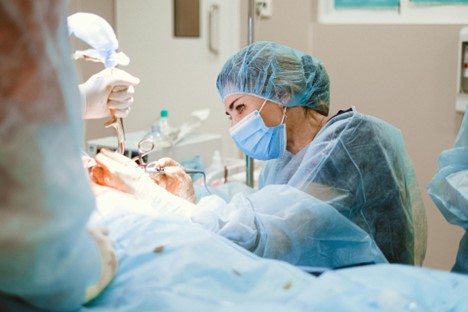
This growing need has created a strong demand for skilled surgical teams. Precision drives success inside the operating room. Instruments must remain sterile. Equipment must function properly. Team members must anticipate each step. There is no room for guesswork.
Surgical technologists play a key role in this environment. They prepare operating rooms, arrange instruments, and assist surgeons during procedures.
For those interested in entering this field, enrolling in a surgical technician program offers a clear starting point. These programs teach anatomy, sterile technique, surgical procedures, and operating room protocols. With proper training, healthcare professionals can build the technical foundation required for this fast-paced and essential role.
Clinical Assessment and Critical Thinking
Modern patient care begins with observation. Not just looking at a chart, but truly assessing what stands in front of you. A patient’s breathing pattern, skin color, tone of voice, and posture all provide clues. Strong clinical assessment skills allow healthcare professionals to gather these details quickly and accurately.
But assessment alone does not shape outcomes. Critical thinking turns raw information into smart decisions. Why did the blood pressure change? Why does the pain feel different today?
Healthcare settings move fast. Providers must connect pieces of information without hesitation. They must weigh risks, consider alternatives, and decide on next steps. When professionals think clearly under pressure, they reduce errors and improve patient safety.
Communication That Builds Trust
How often do patients leave appointments with unanswered questions? It happens more than we think.
Clear communication shapes how patients experience care. Healthcare professionals must explain diagnoses, medications, and procedures in language patients understand. Medical terminology can be confusing. Listening matters, too. When providers pause and truly hear concerns, they uncover valuable details. They also build trust. Patients who trust their providers are more likely to follow treatment plans and return for follow-up care.
Technological Competence
Healthcare now relies heavily on technology. Electronic health records track patient history. Diagnostic imaging provides detailed views inside the body. Telehealth connects patients and providers across distances.
Professionals must feel comfortable using these systems. Accurate documentation ensures continuity of care. Correct data entry prevents medication errors. Understanding how to navigate digital records allows faster access to critical information. Technological competence also supports patient privacy. Healthcare workers must follow proper protocols to protect sensitive information. One mistake can compromise trust and security.
Learning new systems may feel challenging at first. However, those who embrace technology strengthen their ability to deliver coordinated, efficient care.
Infection Control and Patient Safety
Patient safety remains a core priority in every healthcare setting. Infection control practices protect vulnerable individuals from preventable harm. Hand hygiene, proper use of personal protective equipment, and sterile technique reduce transmission risks.
Small oversights can lead to serious consequences. Healthcare professionals who maintain strict safety habits create safer environments for everyone. They follow protocols consistently and stay alert to changes in patient condition. If there are any concerns, they report them quickly.
Infection prevention and safety measures may seem routine, but routine actions protect lives every day. That consistency builds a foundation patients can rely on.
Teamwork and Interdisciplinary Collaboration
No one delivers modern healthcare alone. A single patient may interact with nurses, physicians, pharmacists, therapists, technologists, and support staff within a single day. Each professional holds a piece of the larger picture. Strong teamwork ensures those pieces connect. When providers communicate clearly during shift changes, errors decrease. When specialists share updates quickly, treatment plans stay aligned. When team members respect one another’s expertise, care becomes more coordinated.
Interdisciplinary collaboration also improves problem-solving. A nurse may notice subtle behavioral changes. A pharmacist may catch a medication interaction. A physical therapist may identify mobility risks. When these observations come together, patients benefit.
Adaptability in Changing Environments
Healthcare rarely looks the same from one year to the next. Clinical guidelines evolve. Technologies update. Public health challenges emerge without warning.
Professionals must adapt quickly. They must learn new systems and adjust to revised protocols without losing focus on patient care. Adaptability does not mean reacting without thought. It means staying informed and open to change.
Consider how telehealth expanded in recent years. Many providers had to adjust their communication style, learn new platforms, and maintain patient connections through a screen. Those who adapted successfully continued delivering effective care despite shifting circumstances.
Change will continue. The question is not whether healthcare will evolve, but whether professionals will evolve with it.
Cultural Competence and Sensitivity
Patients bring more than symptoms into a healthcare setting. They bring cultural beliefs, traditions, languages, and values that shape how they understand illness and treatment. Cultural competence allows providers to recognize and respect these differences. It encourages thoughtful questions instead of assumptions. It promotes clear explanations tailored to individual understanding.
For example, some patients may rely on family members for major health decisions. Others may follow dietary or religious practices that affect treatment plans. Healthcare professionals who acknowledge these factors improve both compliance and satisfaction.
Emotional Intelligence and Empathy
Healthcare environments aren’t exactly enjoyable. Patients often arrive during moments of fear or discomfort. Families may struggle with uncertainty. Emotional intelligence helps professionals navigate these moments with care. It allows them to recognize their own stress while staying focused on the patient’s needs. It supports calm responses rather than rushed reactions.
Empathy strengthens connection. A simple acknowledgment like “I understand this feels stressful” can ease anxiety. This skill does not slow clinical efficiency. In many cases, it enhances it. When patients feel heard, they cooperate more fully and follow instructions with greater confidence.
The professionals who thrive today will not be the ones who resist change or isolate themselves. They will be the ones who collaborate, adapt, and continue enhancing their skills. When patients walk into a clinic or hospital, they may not see these skills listed on a wall. But they will feel them in the coordination of care, in the clarity of explanations, and in the calm response during uncertainty.
Share this article

Latest Posts




ADVERTISEMENT