



How Personalized Prevention Plans Are Changing Healthcare
- Updated on: Feb 17, 2026
- 5 min Read
James Hammer is a dedicated health and fitness blogger who writes to empower readers to live healthier, stronger lives, especially as they age. His content covers a wide range of topics, including smart fitness after 40, joint health, nutrition, supplements, mental wellness, and emerging health trends. With a passion for research and clear communication, James breaks down complex topics into actionable tips that help his readers feel better, move smarter, and age with confidence.
By
- Published on Feb 17, 2026
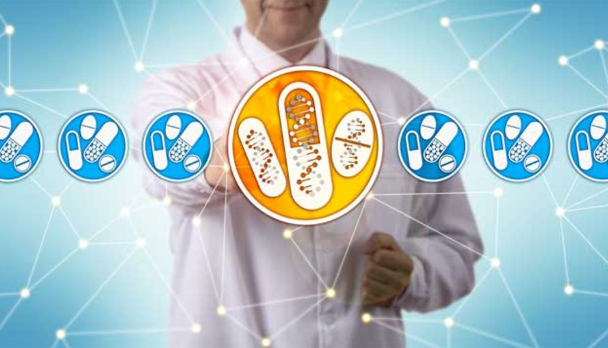
For most of modern medical history, healthcare has followed a standardized model. Screening guidelines were built around age brackets. Prevention advice was delivered broadly across populations. Risk was estimated based on averages rather than individuals.
That model saved lives. But it also left gaps.
ADVERTISEMENT
ADVERTISEMENT
Two people of the same age, gender, and background can have dramatically different disease risks. One may develop cancer or chronic disease early in life, while another may never face the same threat. The difference often comes down to genetics, biology, environment, and lifestyle patterns interacting over time.
Today, healthcare is shifting toward a more individualized approach — one where prevention is tailored to each person’s biology, risk profile, and life context. This shift is commonly referred to as personalized prevention, and it is rapidly transforming how diseases are predicted, screened for, and prevented.
Programs like CancerEDGE reflect one example of this broader healthcare evolution, where genetic insights, prevention planning, and clinical guidance are integrated into long-term health strategy. But the movement itself is much larger and is reshaping medicine across specialties.
This article explores what personalized prevention really means, why it is gaining momentum now, and how it is changing healthcare outcomes.
What Is Personalized Prevention?
Personalized prevention is the practice of tailoring disease prevention strategies to an individual’s unique risk profile rather than relying only on population averages.
This risk profile may include:
- Genetic predisposition
- Family medical history
- Lifestyle patterns
- Environmental exposures
- Biomarkers and clinical data
- Age and biological sex
- Existing health conditions
Instead of asking, “What works for most people?” personalized prevention asks, “What is most likely to work for this specific person?”
Why Healthcare Is Moving Toward Personalized Prevention
Several major forces are driving this shift.
Advances in Genetics and Genomics
Scientists now understand far more about how genetic variation influences disease risk. Genetic testing has become more accurate, faster, and more clinically useful than it was even a decade ago.
Better Risk Modeling
Healthcare providers can now combine genetic, lifestyle, and clinical data to estimate risk with greater precision.
Rising Chronic Disease Burden
Preventable diseases — including cancer, cardiovascular disease, and metabolic conditions — remain leading causes of death globally. Prevention is increasingly seen as the most cost-effective and outcome-effective strategy.
Technology and Data Integration
Electronic health records, wearable technology, and predictive analytics are enabling continuous health monitoring.
The Limits of Traditional Prevention Models
Traditional prevention has historically relied on population-based guidelines. These remain important but have limitations.
For example:
- Screening may start too late for high-risk individuals.
- Screening may be unnecessarily frequent for low-risk individuals.
- Lifestyle advice may not account for biological vulnerabilities.
- Prevention may not adapt as personal risk changes.
Personalized prevention helps close these gaps.
How Personalized Prevention Plans Are Built
While models vary, many personalized prevention strategies include several core components.
1. Risk Assessment
Risk assessment may include:
- Detailed family history review
- Medical history evaluation
- Lifestyle assessment
- Genetic testing (when appropriate)
- Biomarker analysis
The goal is to estimate not just if risk exists, but how high it is compared to baseline population risk.
2. Personalized Screening Strategies
Instead of using age alone, screening schedules may be adjusted based on risk level.
This may involve:
- Earlier screening start age
- Increased screening frequency
- Use of additional screening technologies
- Multi-cancer early detection approaches
Earlier detection is one of the strongest predictors of survival outcomes in many diseases.
3. Targeted Lifestyle Interventions
Lifestyle recommendations become more focused when aligned with biological risk.
For example:
- Someone with inflammation-related risk may benefit from anti-inflammatory dietary focus.
- Someone with metabolic vulnerability may focus heavily on weight management and insulin control.
- Individuals with certain inherited risks may prioritize specific screening adherence and environmental risk reduction.
4. Ongoing Monitoring and Adjustment
Personalized prevention is not static. Risk changes with age, health status, and new research discoveries.
Plans may evolve over time as:
- New genetic research emerges
- New screening technologies become available
- Personal health history changes
The Role of Genetics in Personalized Prevention
Genetics does not determine destiny, but it can provide powerful insight into biological vulnerabilities.
Genetic information can help identify:
- Increased cancer susceptibility
- Cardiovascular disease risk
- Metabolic disease predisposition
- Medication metabolism differences
When combined with prevention planning, genetics can help healthcare teams identify where earlier or stronger interventions may be beneficial.
The Role of Lifestyle in Personalized Prevention
Even when genetic risk exists, lifestyle remains one of the most powerful prevention tools available.
Key modifiable risk factors include:
Tobacco Use
Avoiding tobacco remains one of the highest-impact prevention decisions.
Physical Activity
Regular exercise improves immune function, metabolic health, and hormone balance.
Nutrition
Whole-food, nutrient-dense diets support DNA repair, inflammation control, and immune resilience.
Alcohol Moderation
Limiting alcohol reduces risk across multiple disease categories.
Sleep and Stress Regulation
Chronic stress and sleep disruption influence immune and hormonal systems.
Personalized prevention often prioritizes lifestyle changes based on where they will have the highest biological impact.
How Personalized Prevention Improves Patient Outcomes
Research suggests personalized prevention can improve outcomes in several ways.
Earlier Disease Detection
High-risk individuals can be monitored more closely.
More Efficient Screening
Healthcare resources can be targeted where they are needed most.
Better Patient Engagement
People are often more motivated to change behavior when risk is personalized.
Reduced Overtreatment
Low-risk individuals may avoid unnecessary testing or procedures.
The Psychological Impact of Personalized Risk Information
Learning about personal disease risk can be empowering but also emotionally complex.
Positive impacts may include:
- Increased health motivation
- Greater engagement with preventive care
- Earlier health action
Challenges may include:
- Anxiety about potential future illness
- Difficulty interpreting risk probabilities
- Fear of genetic information
This is why clinical interpretation and counseling support are important components of responsible personalized prevention.
Ethical and Privacy Considerations
Personalized prevention raises important ethical questions.
Data Privacy
Genetic and health data must be stored and protected securely.
Access and Equity
Ensuring personalized prevention is available across populations remains a major healthcare challenge.
Informed Consent
Individuals must understand benefits, limitations, and implications of testing.
The Future of Personalized Prevention
Healthcare is moving toward increasingly predictive models.
Future prevention may include:
- Continuous risk monitoring using wearable and biological data
- AI-driven prevention recommendations
- Earlier disease detection using blood-based screening tools
- Integration of environmental exposure data into risk models
- Prevention coaching guided by real-time health metrics
The goal is to prevent disease before symptoms ever appear.
Who May Benefit Most From Personalized Prevention Today
Individuals who may particularly benefit include those with:
- Strong family history of cancer or chronic disease
- Early disease diagnosis in family members
- Multiple diseases in family patterns
- Personal history of pre-cancerous conditions
- Complex medical histories
- Desire for proactive health planning
However, prevention planning should always be discussed with qualified healthcare professionals.
Practical Steps People Can Take Today
Step 1: Understand Your Family Health History
Document disease patterns, ages of diagnosis, and trends.
Step 2: Follow Recommended Screenings
Even personalized prevention builds on standard screening foundations.
Step 3: Focus on High-Impact Lifestyle Changes
Start with tobacco avoidance, physical activity, nutrition, and weight management.
Step 4: Discuss Risk With Healthcare Providers
Ask if personalized risk evaluation makes sense for you.
Step 5: Stay Educated
Prevention science evolves quickly.
The Big Shift: From Reactive Care to Predictive Health
Personalized prevention represents one of the most important transitions in modern healthcare. Instead of waiting for disease to develop and then treating it, healthcare is moving toward predicting risk and intervening earlier.
This shift does not replace traditional prevention — it enhances it. By combining genetics, lifestyle, clinical data, and screening science, personalized prevention offers a more precise way to protect long-term health.
For many individuals, this approach may represent the future of disease prevention — one where healthcare is not just about treating illness, but about helping people stay well in the first place.
Share this article


Latest Posts




ADVERTISEMENT