

The Science Behind Brain Stimulation Therapies
- Updated on: Mar 26, 2026
- 4 min Read

Arshi Anjum is a qualified homeopath who believes alternative medicine disciplines can really do wonders in certain situations and particularly for some conditions and diseases. She completed her medical education from Bakson Homeopathic Medical College, Greater Noida, India.
- Published on Mar 26, 2026
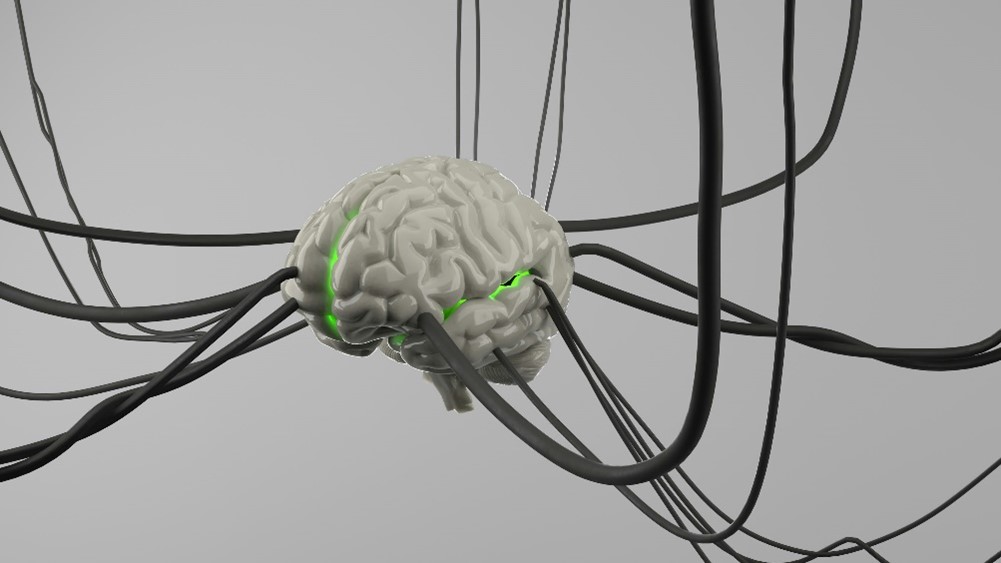
The human brain runs on electrical signals. Every thought, emotion, and memory is the result of neurons firing in complex patterns across different regions. When these patterns become disrupted, conditions like depression, anxiety, and chronic pain can take hold. For decades, medication and talk therapy were the primary tools available. But a growing field of treatment has emerged that works directly with the brain’s electrical activity. Brain stimulation therapies use targeted energy to influence how neurons communicate, and the science behind them is reshaping mental health care.
These therapies have become established, well-researched options that offer real hope to people who have not found relief through traditional approaches. Understanding the science behind how they work can help patients and caregivers make informed decisions about the treatments available to them.
ADVERTISEMENT
ADVERTISEMENT
How Magnetic Pulses Interact with Neural Circuits
One of the most widely recognized forms of brain stimulation is transcranial magnetic stimulation, commonly known as TMS. This approach uses a magnetic coil placed against the scalp to deliver brief pulses of energy into specific areas of the brain. These pulses generate small electrical currents that activate neurons in the targeted region. By stimulating underactive brain circuits, the therapy can gradually restore healthier patterns of neural communication.
TMS has gained significant attention for its role in treating depression, particularly in cases where medication has not worked. The treatment is noninvasive, meaning it does not require surgery or anesthesia. Patients sit in a chair during sessions that typically last between twenty and forty minutes, and they can return to their normal routine immediately afterward.
What makes this approach especially appealing is its favorable safety profile. While any medical procedure carries some degree of risk, TMS therapy side effects are generally mild and temporary, with the most commonly reported ones being light headaches and scalp discomfort during or shortly after sessions. These tend to lessen as the body adapts over the first week or so of treatment. Compared to the systemic effects that often accompany psychiatric medication, such as weight changes, fatigue, or emotional numbness, this represents a significant advantage for many individuals.
The treatment works because of neuroplasticity, the brain’s ability to reorganize its connections and strengthen or weaken certain pathways based on repeated stimulation. When TMS targets the prefrontal cortex, it encourages neurons in that region to become more active over time. With repeated sessions, these changes can become durable, leading to lasting improvements in mood regulation.
The Role of Electrical Currents in Brain Therapy
While magnetic stimulation generates electrical activity indirectly through a magnetic field, other therapies apply electrical current more directly. Transcranial direct current stimulation, often abbreviated as tDCS, delivers a low-level electrical current to the brain through small electrodes placed on the scalp. The current is gentle enough that most people feel only a mild tingling sensation.
Depending on electrode placement and current direction, tDCS can either increase or decrease the likelihood of neurons firing in a specific region. This gives clinicians a tool for fine-tuning brain activity rather than simply switching it on or off. It has been explored for depression, attention difficulties, and chronic pain.
The devices are small, portable, and relatively easy to administer. While the effects of a single session are subtle, repeated use over days or weeks appears to produce more meaningful changes in brain function.
Electroconvulsive Therapy and Its Modern Evolution
Electroconvulsive therapy, or ECT, is one of the oldest forms of brain stimulation. Its early use in the mid twentieth century was often carried out without proper safeguards, which contributed to a lasting stigma. However, modern ECT bears little resemblance to those early practices. Today, it is performed under general anesthesia with muscle relaxants, and the procedure is carefully controlled.
The treatment involves passing a calibrated electrical current through the brain to trigger a brief seizure. The seizure is precisely what produces the therapeutic effect, causing a massive release of brain chemicals and promoting widespread neural activation. This can rapidly alleviate severe depression that has not responded to other treatments.
ECT remains one of the fastest-acting options for acute psychiatric crises. Newer techniques also allow for targeting specific brain regions more precisely, helping reduce unwanted effects like temporary memory disruption.
Newer Frontiers in Brain Stimulation
Beyond these established methods, the field is expanding. Vagus nerve stimulation involves a small device implanted under the skin that sends mild electrical impulses to the vagus nerve. This nerve plays a key role in regulating mood, inflammation, and stress responses. By stimulating it, clinicians can influence brain activity from a distance, offering an alternative for patients who have not found success elsewhere.
Deep brain stimulation is another advancing area. Originally developed for movement disorders, it involves placing thin electrodes directly into specific brain structures to deliver continuous electrical impulses that modulate abnormal circuits. Research is ongoing into its potential for treating severe depression and obsessive-compulsive disorder.
What unites all these approaches is a shared foundation in the brain’s capacity for change. Neural circuits are not permanently fixed and can be influenced through carefully applied energy.
What the Future Holds
The trajectory of brain stimulation therapies points toward increasingly personalized treatment. Advances in brain mapping now allow clinicians to identify the exact circuits involved in a patient’s condition. Future treatments can be tailored not just by diagnosis, but by the unique neural fingerprint of each person. Combining stimulation therapies with imaging data and artificial intelligence could open the door to protocols that adapt in real time.
There is also growing interest in pairing brain stimulation with psychotherapy, which may enhance the brain’s receptivity to new patterns of thinking during and after sessions. This integrative approach could accelerate healing by targeting both the biological and psychological dimensions of mental health conditions.
The science behind brain stimulation therapies is grounded in well-established principles of neuroscience, yet it remains a field full of potential. As researchers refine these techniques and expand their applications, millions of people stand to benefit from treatments that work with the brain’s own capacity to heal. For those who have struggled with conditions that resist conventional treatment, these therapies represent a meaningful path forward, backed by science and driven by the promise of better outcomes.
Share this article



Latest Posts





ADVERTISEMENT