

Can Toilet Paper Cause UTI? Safe Choices and Prevention Tips Explained
- Updated on: Jan 17, 2026
- 4 min Read

Dr. Ruman Kugashiya, MD, works at ERA’s Lucknow Medical College and Hospital, Lucknow, Uttar Pradesh. He received his medical education from Smt. Nathiba Hargovandas Lakhmichand Municipal Medical College (NHL MMC), Ahmedabad, Gujarat. He specializes in Critical Care, Gastroenterology and Infectious Disease.
- Published on Jan 17, 2026
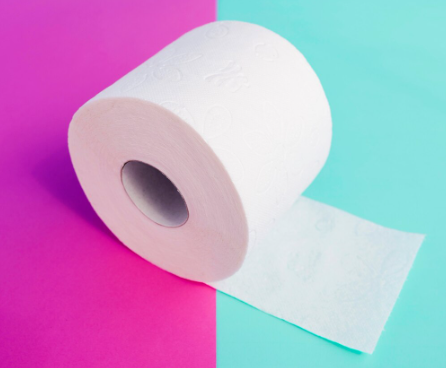
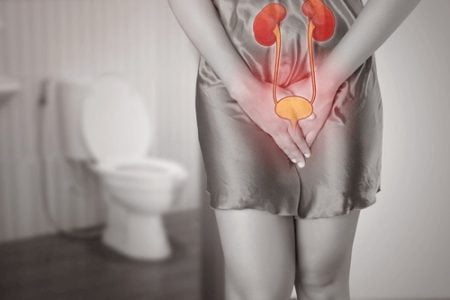
For anyone who’s experienced a urinary tract infection (UTI), the search for causes and prevention becomes urgent. While many people focus on hydration and hygiene, they often overlook one everyday choice that significantly impacts urinary health: toilet paper.
The delicate skin around the urethra is easily irritated by both mechanical and chemical triggers. Many people with recurring UTIs don’t realize that their toilet paper choice directly affects their risk. Understanding this connection empowers you to make safer, more intentional choices for your health.
ADVERTISEMENT
ADVERTISEMENT
HOW TOILET PAPER CAN CONTRIBUTE TO UTIs
Toilet paper affects urinary health in several ways:
Irritation from Ingredients: Scented, dyed, or chemically treated toilet papers irritate the delicate urethral skin. This irritation weakens the skin’s natural defenses, creating entry points for bacteria to cause infection.
Physical Abrasion: Rough or coarse toilet paper causes micro-cuts and tiny abrasions. Excessive wiping damages delicate tissue and provides a pathway for bacterial invasion. These small injuries may seem insignificant, but they create the perfect environment for infection.
Lint and Residue: High-lint toilet paper leaves behind particles that irritate sensitive areas and can harbor bacteria. This residue prevents the skin from healing properly.
Wiping Direction: The direction you wipe matters more than most people realize. Wiping from back to front transfers bacteria from the anus toward the urethra, a leading cause of UTIs, especially in women. This single habit is one of the most modifiable risk factors.
MYTHS VS FACTS ABOUT TOILET PAPER AND UTI RISK
Myth: Only poor hygiene causes UTIs. Fact: Even with excellent hygiene practices, certain products or anatomical factors increase risk. Product choice is equally important.
Myth: All “eco” or “natural” toilet papers are safe. Fact: Some eco-friendly papers still contain irritants or are too rough for sensitive users. Natural doesn’t automatically mean safe.
Myth: Scented toilet paper is harmless. Fact: Fragrances and dyes are common irritants and should be avoided by anyone prone to UTIs or with sensitive skin.
Myth: Toilet paper choice doesn’t really affect UTI risk. Fact: Your toilet paper choice is a modifiable factor that significantly impacts urinary health and comfort.
WHICH TOILET PAPER TYPES ARE SAFEST FOR UTI-PRONE USERS?
Choosing the right toilet paper is one of the most direct ways to protect your urinary health.
Unscented and Unbleached Paper: These are the least likely to cause irritation or disrupt your skin’s natural defenses. They avoid chemical additives that can trigger inflammation.
Hypoallergenic Toilet Paper: Specifically designed for sensitive skin, these options avoid common irritants and are often dermatologist-tested for safety.
Bamboo Toilet Paper: Organic toilet paper made from bamboo is naturally hypoallergenic, incredibly soft, and free from harsh chemicals. Bamboo has natural antimicrobial properties and wicks moisture away, reducing irritation and creating an inhospitable environment for bacteria. It’s one of the top choices for UTI prevention.
Recycled Toilet Paper: If free from dyes and fragrances, recycled paper can be gentle and eco-friendly. However, always check that it’s soft and doesn’t contain hidden additives.
The safest toilet papers share these characteristics: soft and highly absorbent, low-lint to avoid residue, completely chemical-free (no chlorine, formaldehyde, BPA, or PFAS), and clearly labeled as fragrance-free and dye-free.
WHAT TO LOOK FOR IN TOILET PAPER FOR UTI PREVENTION
When selecting toilet paper, evaluate these factors:
Material: Choose bamboo or 100% recycled paper that’s naturally hypoallergenic and gentle on sensitive skin. Bamboo’s antimicrobial properties provide extra protection.
Softness and Texture: Soft, highly absorbent options minimize micro-tears and reduce the need for excessive wiping. Low-lint prevents irritating residue.
Chemical-Free Formulation: Completely avoid chlorine bleach, formaldehyde, petroleum-based additives, fragrances, dyes, BPA, and PFAS. These chemicals irritate sensitive skin and disrupt natural pH balance.
Certifications and Transparency: Look for FSC (Forest Stewardship Council) certification and brands that clearly list ingredients. This indicates responsible sourcing and fewer hidden irritants.
Additional Properties: Choose options with moisture-wicking ability and potential antimicrobial properties for extra protection.
HYGIENE HABITS THAT LOWER UTI RISK
Even the best toilet paper can’t prevent UTIs without proper hygiene practices:
- Wipe Front to Back: This is the most important habit. It prevents bacteria from the anus from reaching the urethra.
- Avoid Scented Products: These irritate skin and disrupt natural pH balance.
- Stay Hydrated: Drinking plenty of water encourages regular urination, which flushes bacteria.
- Wear Breathable Underwear: Cotton is best; change frequently to reduce moisture and bacterial growth.
- Shower Instead of Baths: Baths increase irritation and the risk of infection.
- Urinate After Sex: Empty your bladder immediately to flush bacteria.
- Don’t Hold Urine: Empty your bladder regularly rather than waiting.
OTHER PERSONAL CARE PRODUCTS THAT CAN CONTRIBUTE TO UTIs
Toilet paper isn’t the only concern. Be cautious with these products:
Scented Feminine Sprays and Douches: Disrupt natural bacterial balance and irritate sensitive skin.
Perfumed or “Flushable” Wipes: Many contain chemicals that upset pH or disrupt healthy bacteria.
Harsh Soaps and Body Washes: Strong detergents and fragrances cause irritation and dryness.
Tight-Fitting Synthetic Underwear: Traps moisture and heat, creating a breeding ground for bacteria.
Laundry Detergents with Strong Fragrances: Residues on underwear can irritate the skin and increase the risk of infection.
SYMPTOMS, RISK FACTORS & WHEN TO SEEK HELP
UTI Symptoms: Burning or pain during urination, frequent urge to urinate, pressure or discomfort in the lower abdomen, and cloudy or foul-smelling urine.
Risk Factors: Women (due to anatomical differences), children, people with sensitive skin, and those with a history of previous UTIs are most at risk.
When to See a Doctor: If you experience any UTI symptoms, especially if they persist or worsen, consult a healthcare provider promptly. Untreated UTIs can lead to serious kidney infections.
FREQUENTLY ASKED QUESTIONS
Q: Can scented toilet paper cause UTIs?
A: Yes. Fragrances and dyes are common irritants that trigger inflammation and create conditions for bacterial growth, especially for sensitive individuals.
Q: Is bamboo toilet paper better for preventing UTIs?
A: Yes. Bamboo is naturally hypoallergenic, soft, and antimicrobial. When unbleached and fragrance-free, it’s an excellent choice for UTI prevention.
Q: Does wiping direction really matter?
A: Absolutely. Wiping from back to front transfers bacteria from the anus toward the urethra, significantly increasing UTI risk. Always wipe front to back.
Q: Are wet wipes safer than toilet paper for UTI prevention?
A: Not necessarily. Many wet wipes contain fragrances and chemicals that irritate sensitive skin. If using wipes, choose unscented, fragrance-free options.
THE BOTTOM LINE
Understanding the link between toilet paper and UTI risk empowers you to make safer, more informed choices every day. Your urinary health is important, and much of it is preventable through smart product decisions.
By choosing unscented, hypoallergenic toilet paper, practicing proper wiping technique, staying hydrated, and being mindful of other personal care products, you can significantly reduce your risk of UTIs.
Small, everyday choices compound over time. The toilet paper you choose touches your most sensitive skin multiple times daily. Making intentional, health-conscious selections is one of the simplest ways to support your urinary health and overall well-being.
If you’re dealing with recurring UTIs or sensitivity, start by evaluating your toilet paper choice. Switching to a gentler, chemical-free option may be the simple change your body has been waiting for.
Share this article
Latest Posts



ADVERTISEMENT