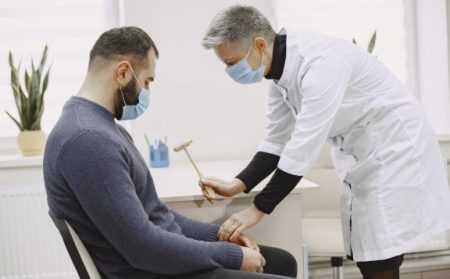
If you’re starting physical therapy, you’re probably wondering when you’ll actually feel better. It’s one of the most common questions patients ask, and honestly, the answer isn’t as straightforward as you might hope. Everyone heals differently, and your timeline depends on several factors.
What Affects Your Physical Therapy Timeline?
Your recovery speed isn’t the same as the person next to you in the clinic. Several things play a role in how quickly you’ll see results:
Your specific condition matters a lot. A minor ankle sprain typically responds faster than a chronic back problem you’ve dealt with for years. Acute injuries usually heal more quickly than conditions that have been bothering you for months.
How consistent you are with your exercises. Your therapist gives you homework for a reason. Patients who stick to their home exercise programs between sessions usually see results faster. Skipping your exercises can really slow down your progress.
Your overall health makes a difference, too. Factors like your age, fitness level, diet, and whether you smoke all impact healing. Someone who’s generally active and healthy might bounce back quicker than someone with underlying health issues.
Typical Recovery Timeframes
So what can you actually expect? Here’s a general breakdown, though remember these are estimates:
- Minor injuries or strains: You might notice improvement in 2-4 weeks. Things like mild sprains or muscle strains often respond pretty quickly to treatment.
- Post-surgical recovery: This usually takes 6-12 weeks or longer, depending on the surgery. Your surgeon and therapist will give you a more specific timeline based on your procedure.
- Chronic pain conditions: These are trickier and often need 8-12 weeks or more. Long-standing issues didn’t develop overnight, so they won’t disappear overnight either.
Many people start feeling some relief within the first few weeks, even if they’re not fully healed. That’s actually a good sign that the treatment is working. When you’re searching for local physical therapy options, look for clinics that offer personalized treatment plans, because cookie-cutter approaches don’t work for everyone.
Signs Your Physical Therapy Is Working
You don’t have to wait until you’re 100% better to know if therapy is helping. Watch for these indicators:
- Reduced pain levels. Even if the pain doesn’t disappear completely right away, it should gradually decrease. You might notice you need less pain medication or that activities that hurt before are getting easier.
- Better range of motion. Can you reach higher, bend further, or turn your head more than when you started? These improvements show your body is responding to treatment.
- Improved strength and stability. You should feel steadier on your feet or stronger in the affected area. Tasks that were difficult become more manageable.
- Fewer limitations in daily activities. This is a big one. When you can start doing things you couldn’t do before, like carrying groceries, playing with your kids, or sleeping through the night, that’s real progress.
Don’t get discouraged if you don’t see immediate results. Healing takes time, and some days will feel better than others. That’s completely normal. The key is communicating openly with your physical therapist about your progress. They can adjust your treatment plan if things aren’t moving in the right direction.
Remember, physical therapy isn’t just about fixing your current problem. It’s also about preventing future injuries and teaching you how to move better. Stick with it, be patient with yourself, and trust the process. Your body is capable of amazing things when you give it the right support.