

How Dental Veneers Affect Your Teeth: What Dentists Don’t Always Explain
- Updated on: May 8, 2026
- 5 min Read

Arshi Anjum is a qualified homeopath who believes alternative medicine disciplines can really do wonders in certain situations and particularly for some conditions and diseases. She completed her medical education from Bakson Homeopathic Medical College, Greater Noida, India.
- Published on May 8, 2026
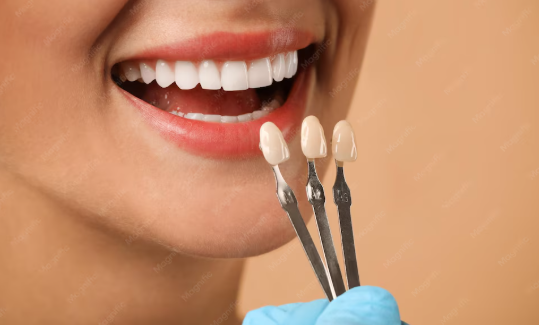
Dental veneers are among the most searched-for cosmetic dental procedures online, and for good reason. They can correct a wide range of visible problems — stained teeth, chips, uneven edges, and gaps between teeth — all in a relatively short treatment timeline. But the online conversation around veneers tends to focus on the results. What it often skips over is what actually happens to your teeth during the process and what that means for your long-term dental health.
This article covers the parts of veneer treatment that don’t always make it into the glossy before-and-after content — the biological reality of how veneers interact with your teeth, what you need to know before committing, and how the type of veneer you choose can make a significant difference to your natural tooth structure.
ADVERTISEMENT
ADVERTISEMENT
What Veneers Actually Do to Your Teeth
A veneer is an ultra-thin shell — typically made of porcelain or ceramic — that is bonded to the front surface of a tooth. It doesn’t replace the tooth. It covers the visible part of it. The effect is a complete transformation of the tooth’s appearance: its colour, shape, length, and surface texture can all be modified through a single restoration.
What most people don’t fully appreciate before their first consultation is that the bonding process often requires some preparation of the underlying tooth. In traditional veneer placement, a thin layer of enamel — typically between 0.3 and 0.5 millimetres — is removed from the tooth surface to create space for the veneer to sit flush. Once that enamel is gone, it cannot regenerate. This makes traditional veneers irreversible. Your tooth will always need to be covered by a veneer or crown from that point forward.
According to the American Academy of Cosmetic Dentistry, veneers are among the most commonly performed cosmetic dental procedures in the United States, with porcelain remaining the preferred material due to its durability and light-reflecting properties that closely mimic natural enamel.
The Enamel Question: Why It Matters More Than People Realise
Tooth enamel is the hardest substance in the human body, but it has one critical limitation: it does not grow back. When enamel is removed to prepare a tooth for a traditional veneer, that removal is permanent. Some patients experience increased sensitivity after the procedure — particularly to hot, cold, and sweet foods — because the underlying dentine layer is now slightly closer to the surface. For most people, this settles within a few weeks, but for some, it can persist longer, especially if the prep work was more aggressive.
This is where the distinction between veneer types becomes genuinely important — not just as a marketing point, but as a clinical consideration. Minimally invasive veneers, such as DURAthin and Lumineers, are designed to be thin enough (around 0.2 millimeters) that they can often be placed with little to no enamel removal at all. For patients where this approach is appropriate, it preserves the natural tooth structure while still delivering a complete aesthetic transformation.
Anyone researching conservative cosmetic dentistry options can look at dental veneers in Encino, CA at BioDental, which gives you a concrete example of how minimally invasive options are applied in practice.
The practice uses DURAthin and Lumineers veneers, both designed to minimize or avoid enamel reduction, along with same-day CEREC technology for custom veneers created from digital impressions. Dr. Shawn Matian designs each veneer to suit the patient’s facial features, making this approach appealing for those concerned about preserving natural enamel.
Not Everyone Is a Candidate — and That’s Important to Know
Veneers are a cosmetic solution, not a restorative one. Before a dentist can place them, your underlying oral health needs to be in good standing. Active gum disease, significant tooth decay, or a bite that places excessive force on the front teeth can all create problems for veneer longevity and for the health of the underlying tooth.
There are several situations where veneers are generally not recommended without addressing other issues first:
- Untreated periodontal disease or active gum recession, which can expose the edges of the veneer over time.
- Bruxism (teeth grinding), which can crack or dislodge veneers under repeated pressure unless a night guard is used.
- Significant tooth decay or existing large restorations, which may make a crown the more appropriate option.
- Severely misaligned teeth, where orthodontic treatment may need to come first.
A thorough consultation should cover all of these factors before any preparation begins. If a provider skips this conversation and moves straight to design and placement, that’s worth noting. A good consultation takes time, uses diagnostic imaging, and gives you a realistic picture of what the treatment will and won’t achieve.
How Long Veneers Last and What Affects Their Lifespan
Porcelain veneers typically last between ten and twenty years with proper care. Composite veneers, while more affordable and repairable, generally have a shorter lifespan of five to seven years. The range is wide because longevity depends heavily on individual habits and oral health maintenance, not just the quality of the veneer itself.
Several daily habits have a direct impact on how long veneers hold up:
- Biting into very hard foods (ice, hard candies, crusty bread) puts stress on the bonding and can chip porcelain.
- Using teeth as tools — opening packaging, biting nails — is one of the most common causes of early veneer damage.
- Alcohol-based mouthwashes can gradually weaken the resin bonding agent used to attach veneers. Alcohol-free alternatives are recommended.
- Grinding or clenching at night places consistent lateral force on veneers that can eventually cause fractures or debonding.
Veneers are also stain-resistant but not stain-proof. Porcelain holds up well against coffee, tea, and red wine, but the resin cement used at the margins can discolor over time, particularly around the edges. Regular professional cleaning and checkups help catch this early before it becomes a cosmetic concern.
What the Treatment Process Should Look Like
A well-structured veneer process starts with a detailed assessment — checking your gum health, bite, existing enamel, and smile geometry. Some practices now use digital smile design tools to show you a preview of the proposed result before any work begins. This is worth asking about specifically, because it lets you give feedback on proportions, tooth shape, and shade before anything is permanent.
At clinics in Encino and across Los Angeles, same-day veneer technology is becoming more common. CEREC systems allow dentists to take a digital scan of the mouth, design the veneer on-screen, and mill it from a ceramic block in the same appointment — eliminating the need for temporary veneers and a second visit. The accuracy of CAD/CAM fabrication also tends to produce a better fit than the traditional lab-based process, which reduces the risk of cement gaps where bacteria can accumulate over time.
After placement, you’ll typically have a follow-up visit to check the bite and bonding. Small adjustments at this stage are normal. If something feels off after the anesthesia has worn off — whether that’s sensitivity, an uneven bite, or discomfort when closing — reporting it quickly allows your dentist to make corrections before the problem compounds.
Conclusion
Dental veneers can genuinely improve both the appearance and function of your teeth when chosen carefully and placed well. But they’re not a neutral intervention. Understanding what they require of your existing teeth — particularly the enamel question — and being honest about your oral health baseline puts you in a far better position to make a decision that holds up over time.
Ask questions during your consultation. Find out whether minimally invasive options apply to your case. Ask to see before-and-after examples from patients with similar starting points to yours. The best veneer outcomes come from patients who go in informed, choose a dentist who takes time with the assessment, and understand that long-term results depend as much on maintenance as on the initial placement. A beautiful smile is worth doing right — and doing right starts with knowing what you’re actually agreeing to.
Share this article

Latest Posts




ADVERTISEMENT