


How Parents Can Prepare Children for Their First Dental Visit?
- Updated on: Apr 22, 2026
- 3 min Read

Arshi Anjum is a qualified homeopath who believes alternative medicine disciplines can really do wonders in certain situations and particularly for some conditions and diseases. She completed her medical education from Bakson Homeopathic Medical College, Greater Noida, India.
- Published on Apr 22, 2026
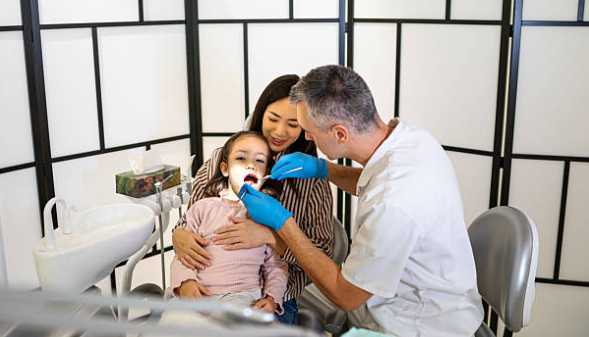
A child’s first visit to the dentist can be frightening particularly if they are not prepared. New sounds, new people and new tools can make them worried.
A dentist Livingston says that being ready on time can make the visit easier and more exciting. Parents can help their kids feel calm, curious and assured about taking care of their teeth.
ADVERTISEMENT
ADVERTISEMENT
Some simple things at home can make the first visit a happy learning experience rather than a terrifying one. Practicing brushing or speaking about the dentist and showing the clinic can help kids feel safe.
Here are some easy ways that parents can use to help their children in preparing for their first dental visit and build good habits for their life.
Introduce Dental Tools Gradually
Having dental tools available at home can help kids not be afraid of the dentist. Seeing and touching tools during the visit makes them feel more at ease.
You don’t want actual dental tools and household items to work okay. Allowing kids to play with these tools shows them that they are not frightening.
- Let your child hold a toothbrush, a small mirror or a flashlight like dental tools.
- You could explain in simple words what each tool does, such as saying, “This mirror helps us see teeth.”
- It may help to pretend to count teeth or gently clean them together during play.
- Praise questions and curiosity to build their confidence.
Gradually, playing with tools helps kids feel calm at the dentist.
Encourage Questions and Curiosity
Children can feel nervous about the dentist as it’s new and unfamiliar. Letting them ask queries helps them know what will happen and feel more in control.
When kids know their thoughts and doubts are listened to then they feel less scared and are less stressed when working with the dentist.
- You might ask your child what they think happens at the dentist and listen to their ideas.
- Try to answer their questions honestly by using simple and kind words.
- Avoid scary words or too many details that might make them nervous.
- You might praise them for their questions and let them know it’s normal to feel nervous.
When kids ask questions then they can share their mental state, feel understood and feel prepared for dental visits.
Use Visual Schedules or Charts
Using the charts or pictures can help kids feel more comfortable about going to the dentist. When they get to each step like brushing teeth or packing a bag, visiting the dentist and getting a sticker then they recognize in advance what to expect.
Watching the chart together beforehand makes the visit less scary. Seeing the steps in order helps children feel calm and all set.
Charts make the visit clearer and more engaging so, kids are more likely to follow instructions and enjoy caring for their teeth.
Practice Relaxation Techniques
Teaching kids some simple relaxation techniques which can make dentist visits less frightening. Deep breathing like “smell the flowers, blow the bubbles,” helps them stay calm. Like, mild stretching or squeezing the hands can help release the tight muscles.
Thinking randomly about a preferred place, story or happy memory can take their mind off fear. Doing these tricks helps kids feel fearless and makes visits easier for everybody.
- Take deep breaths, collect: “smell the flowers, blow the bubbles.”
- Stretch or squeeze hands to relax.
- Reflect on a preferred place or story in the chair.
- Practice these at home to feel assured.
- Praise minor successes to stay calm at visits.
All these simple actions help kids stay tranquil and enjoy dentist visits more.
Set Realistic Expectations
Parents can help their child get prepared for the dentist even at home. They can talk about positive experiences, read books about dentists or watch short videos. Allowing children to ask queries and giving authentic answers makes them feel brave.
For example, playing dentist at home with a toy or pretending to clean teeth can also help them feel less frightened. Telling stories about some other kids who did well at the dentist can make them feel harmless. The key idea is to show that a dentist aids but not hurts. When children know what to expect, they are calmer and follow guidelines better during their real dental visits.
Conclusion
To sum up, a child’s primary trip to the dentist is more than only a check-up and it helps children learn good habits for life. The parents can make the visit easier by gradually introducing dental tools, allowing kids to ask questions or using pictures, teaching them and setting clear expectations.
Preparing children this way builds trust, reduces fear and makes them curious. Over time, it helps kids take care of their teeth and keep them healthy. Also, parents can look at kid-friendly dental guides or ask the dentist for instructions for their child’s age.
Share this article

Latest Posts





ADVERTISEMENT