



How to Slow Down Your Skin from Aging
- Updated on: Oct 26, 2026
- 3 min Read

Arshi Anjum is a qualified homeopath who believes alternative medicine disciplines can really do wonders in certain situations and particularly for some conditions and diseases. She completed her medical education from Bakson Homeopathic Medical College, Greater Noida, India.
- Published on Apr 21, 2026
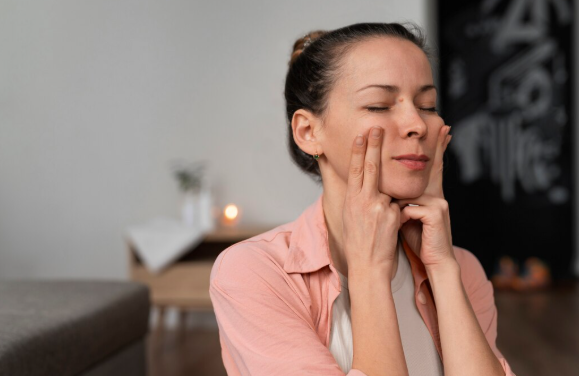
Aging is inevitable, but the speed at which your skin shows its age is something you have far more control over than you might think. With the right habits, ingredients, and lifestyle choices, you can keep your skin looking youthful, firm, and radiant for years longer than you might expect. Here’s what actually works.
Start With Sun Protection — Every Single Day
ADVERTISEMENT
ADVERTISEMENT
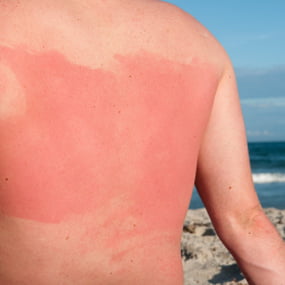
If you take nothing else from this article, take this: a good sunscreen is the single most powerful anti-aging tool available to you. Ultraviolet radiation from the sun is responsible for up to 90% of visible skin aging, a process dermatologists call photoaging. This includes wrinkles, dark spots, loss of elasticity, and uneven texture; and can, of course, increase your risk of skin cancer.
A broad-spectrum SPF 30 or higher applied every morning — rain or shine, indoors or out — can dramatically slow the visible signs of aging over time. UV rays penetrate windows and reflect off surfaces like snow and water, so daily application is non-negotiable. Pair your sunscreen with a wide-brimmed hat and UV-protective sunglasses for added defense.
Build a Consistent Skincare Routine
Consistency beats complexity every time. You don’t need a 12-step routine, but you do need a few cornerstone products used faithfully. A gentle cleanser, a moisturizer, and a retinoid are the holy trinity of anti-aging skincare. If breakouts are part of your concern alongside aging, adding acne skin care products formulated with gentle, organic ingredients can address both without disrupting your routine. Retinoids, which are derivatives of vitamin A, are among the most well-researched ingredients in dermatology. They stimulate collagen production, accelerate cell turnover, and reduce the appearance of fine lines and hyperpigmentation. Start with a low-concentration retinol a few nights per week and gradually build up. Add a vitamin C serum in the morning for antioxidant protection and brightening effects, and always finish your daytime routine with SPF.
Address Crepey Skin Before It Worsens
Crepey skin — that thin, finely wrinkled texture that resembles the surface of crepe paper — is one of the most common complaints as skin ages. It tends to appear on the upper arms, thighs, neck, and chest, areas often neglected in skincare routines. Crepey skin develops when the skin loses collagen and elastin, the structural proteins responsible for keeping skin firm and bouncy. Sun damage, dehydration, and hormonal changes all accelerate its onset. To combat it, focus on deep hydration with ingredients like hyaluronic acid and glycerin, which draw moisture into the skin. Body lotions containing lactic acid or urea gently exfoliate and improve texture over time. Retinol body creams have also shown real results in firming crepey areas. Most importantly, don’t wait until it becomes severe — prevention and early treatment yield the best outcomes.
Nourish Your Skin From the Inside Out
What you eat directly affects how your skin ages. Diets high in refined sugar and processed foods trigger a process called glycation, where sugar molecules attach to collagen and elastin fibers, making them stiff and prone to breakage. Prioritize an anti-inflammatory diet rich in leafy greens, berries, fatty fish, nuts, and seeds. Omega-3 fatty acids found in salmon, walnuts, and flaxseed help maintain the skin’s lipid barrier, keeping it plump and hydrated. Antioxidants from colorful fruits and vegetables neutralize free radicals that damage skin cells. And don’t underestimate hydration — drinking adequate water throughout the day supports skin elasticity and helps flush out toxins.
Prioritize Sleep and Manage Stress
Chronic stress elevates cortisol, a hormone that breaks down collagen and triggers inflammation throughout the body, including the skin. Over time, unmanaged stress visibly accelerates aging. Incorporate stress-reducing practices into your daily life — whether that’s meditation, yoga, journaling, or simply spending time in nature. Sleep is equally critical. During deep sleep, your body produces growth hormone, which repairs and regenerates skin cells. Aim for seven to nine hours per night, and consider sleeping on a silk pillowcase to reduce friction-related creasing on the face.
Don’t Smoke, and Limit Alcohol
Smoking is one of the most aggressive accelerants of skin aging. It constricts blood vessels, reducing oxygen and nutrient delivery to skin cells, and degrades collagen at an alarming rate. Smokers typically show significantly more wrinkles and a sallow complexion compared to non-smokers of the same age. Alcohol, meanwhile, dehydrates the skin and causes inflammation that can lead to puffiness, redness, and broken capillaries over time. Cutting back on both can produce visible improvements in skin tone and texture within weeks.
The Bottom Line
Slowing down skin aging isn’t about chasing perfection — it’s about building smart, sustainable habits that protect and support your skin over the long haul. Start with sun protection, stay consistent with your skincare, eat well, sleep deeply, and manage your stress. Your future skin will thank you.
Share this article


Latest Posts



ADVERTISEMENT