



What Are the Benefits of a Weighted Vest?
- Updated on: Apr 16, 2026
- 5 min Read

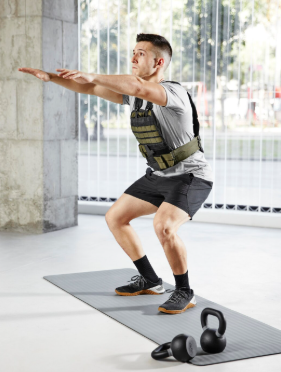
A weighted vest is a fitness tool designed to add extra resistance to your body during activities such as walking, running, or bodyweight training. By increasing the load you carry, it makes your workouts more challenging and can help improve overall fitness efficiency. Many people use weighted vests to boost calorie burn, build strength, and enhance endurance without needing complex gym equipment.
What Are the Benefits of a Weighted Vest?
A weighted vest offers multiple benefits, including improved calorie burn, bone strength, muscle endurance, cardiovascular fitness, and core stability. When used correctly and progressively, it can be a versatile tool for enhancing both general fitness and athletic performance.
ADVERTISEMENT
ADVERTISEMENT
- Increased Caloric Burn & Weight Loss
One of the main benefits of using a weighted vest is that it increases the intensity of almost any activity. By adding extra weight to your body, you force your muscles to work harder with every movement, which naturally raises energy expenditure. Whether you are walking, running, or doing bodyweight exercises, this increased workload can support fat loss and weight management when combined with a balanced diet and consistent training routine. - Improved Bone Density
Weighted vest training applies additional mechanical stress to your skeletal system. This type of controlled loading can help stimulate bone growth and maintenance over time. It is especially beneficial for older adults, as it may help improve or preserve bone mineral density, reducing the risk of conditions such as osteoporosis. Low-impact activities like walking with a vest are often used for this purpose. - Increased Muscle Strength & Endurance
Wearing a weighted vest makes everyday movements more demanding. Your lower body muscles—including the glutes, quads, hamstrings, and calves—must generate more force, while your upper body works to stabilize the load. Over time, this can improve muscular endurance and functional strength, especially for people who are new to resistance training or prefer low-impact workouts. - Better Cardiovascular Fitness
Because your body has to work harder to move with added resistance, your heart and lungs are placed under greater demand. This helps improve cardiovascular efficiency, stamina, and overall aerobic capacity. Activities like brisk walking or incline walking with a weighted vest can be particularly effective for building endurance. - Improved Core Strength & Posture
A weighted vest places load on your torso, requiring your core muscles (abdominals, obliques, and lower back) to stay engaged throughout movement. This constant stabilization can help improve posture, balance, and spinal alignment over time. Stronger core engagement also reduces unnecessary strain on other joints during exercise. - Enhanced Training Performance
For athletes and regular exercisers, weighted vest training can improve overall performance. By training under resistance, your body adapts to working harder. When the vest is removed, movements often feel easier and more efficient, which may translate into improved speed, power, and endurance, especially in activities like running or hill training.
Tips for Wearing a Weighted Vest
Wearing a weighted vest safely comes down to starting light, maintaining good form, progressing gradually, and using it appropriately. When used correctly, it can be an effective tool for improving strength, endurance, and overall fitness.
- Start with a light load
Begin with a manageable weight—typically 5–10% of your body weight. Starting too heavy can strain your joints and affect your movement pattern. Gradual progression is key to building strength safely. - Ensure a proper fit
The vest should feel snug and secure without restricting breathing. A well-fitted vest prevents bouncing or shifting during movement, which helps avoid discomfort, chafing, and posture issues. Choosing an adjustable weighted vest is especially important because it allows you to customize both the fit and the load distribution, ensuring the weight sits evenly across your torso and can be tightened or loosened as needed for different workouts and body types.
- Maintain good posture
Keep your chest upright, shoulders relaxed, and core engaged. Good posture reduces stress on your lower back and helps distribute the added weight evenly across your body. - Choose appropriate activities
Weighted vests are best for walking, hiking, incline treadmill work, and bodyweight exercises. Use caution with high-impact activities like sprinting or jumping, especially if you are a beginner. - Increase gradually
Progress slowly by increasing either duration or weight—not both at the same time. This allows your body to adapt without increasing injury risk. - Limit usage frequency
Avoid wearing a weighted vest every day. Using it 2–4 times per week is usually enough to gain benefits while allowing proper recovery. - Listen to your body
Mild muscle fatigue is normal, but sharp pain, joint discomfort, or excessive soreness are warning signs. Reduce weight or stop if needed. - Wear proper footwear
Supportive shoes with good cushioning help absorb impact and reduce stress on your knees, ankles, and hips.
Does a weighted vest help with losing belly fat?
A weighted vest can help with overall fat loss, but it does not directly target belly fat.
When you wear a weighted vest during walking, running, or bodyweight training, your body has to work harder. This increases calorie burn and energy expenditure, which can contribute to a calorie deficit over time. Since fat loss happens across the whole body, this may eventually lead to a reduction in belly fat as part of overall weight loss.
However, it’s important to understand that spot reduction is not possible. You cannot choose where your body loses fat first. Belly fat typically reduces when your overall body fat percentage decreases through consistent exercise, proper nutrition, and lifestyle habits.
A weighted vest can support this process by making activities like walking or exercises such as squats more intense, helping you burn more calories than you would without the added resistance.
What Are the Disadvantages of Weighted Vests?
While weighted vests can be an effective training tool, they also come with several drawbacks that should be considered before use.
Increased Joint Stress
One of the biggest disadvantages is the added pressure placed on your joints—especially the knees, hips, ankles, and lower back. The extra load can increase impact forces during walking, running, or jumping, which may raise the risk of pain or injury over time, particularly if the vest is too heavy or used too often.
Higher Risk of Injury
Because weighted vests make movement more demanding, improper use can lead to overuse injuries such as shin splints, muscle strains, or joint irritation. This risk is higher for beginners or people who progress too quickly without allowing proper adaptation.
Can Affect Movement and Form
A poorly fitted or overly heavy vest may change your natural posture and movement mechanics. This can lead to leaning forward, shortened stride length, or uneven loading, which reduces exercise efficiency and may increase strain on certain muscles.
Not Ideal for High-Intensity Speed Training
Weighted vests can interfere with fast, explosive movements. They may slow down your natural running mechanics and reduce your ability to develop speed, agility, and efficient stride patterns, especially during sprint training.
Discomfort and Heat Build-Up
Wearing a vest for extended periods can cause chafing, sweating, and overheating, particularly in warm environments. This can make longer workouts less comfortable and harder to sustain.
Not Suitable for Everyone
People with existing conditions such as back pain, joint issues, or mobility limitations may find weighted vests uncomfortable or unsafe. In these cases, medical advice is recommended before use.
Conclusion
The benefits of a weighted vest include improved calorie expenditure, increased muscle endurance, better cardiovascular fitness, and enhanced core strength and posture. It may also support bone health and help improve overall training performance when used correctly. However, the best results come from using it safely, gradually increasing intensity, and combining it with a balanced exercise routine.
Share this article



Latest Posts





ADVERTISEMENT