

How Gross Motor Skill Exercises Support Strength and Coordination?
- Updated on: May 29, 2026
- 5 min Read

Mohd is driven through passion for innovation in healthcare and medical research. He holds a degree in Mechanical Engineering and has spent about two decades in medical research particularly on medical / surgical implants and digital health. He is associated as a fractional IP and Innovation Officer for more than a dozen companies across the globe.
- Published on May 29, 2026
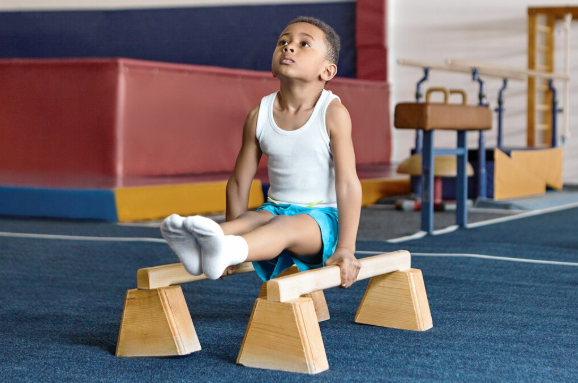
Gross motor skill exercises use large muscle groups in the arms, legs, and core. Children and adults use these muscles to walk, jump, climb, and throw. These simple actions do more than burn energy; they shape how the body moves and controls force.
Gross motor skill exercises support strength and coordination by training large muscles to work together, which improves balance, posture, and controlled movement. As mussnippecles grow stronger, the body holds steady during tasks such as sitting at a desk or carrying a backpack. In addition, better coordination helps both sides of the body work as a team, which supports sports, play, and daily tasks.
ADVERTISEMENT
ADVERTISEMENT
A closer look shows how these exercises shape muscle power, body awareness, and joint control. The sections ahead explain what gross motor skills include and how specific exercises lead to stronger muscles and smoother movement.
Understanding Gross Motor Skill Exercises
Gross motor skill exercises train the large muscles in the arms, legs, and trunk. These exercises build strength, balance, and body control through clear, repeatable movements that match a child’s age and ability.
Definition of Gross Motor Skills
Gross motor skills refer to movements that use large muscle groups. These muscles control actions such as walking, running, jumping, throwing, pushing, and pulling.
Children rely on these skills to move with control and keep balance. For example, a child must use leg and core muscles to stand on one foot. In addition, arm and shoulder muscles help a child throw a ball with force and aim.
These skills differ from fine motor skills, which involve small hand and finger actions. Gross motor control supports posture, coordination, and body awareness. As a result, children gain more independence in daily tasks such as climbing stairs, riding a bike, or carrying a backpack.
Parents and teachers often use easy and effective gross motor skills activities to guide practice at home or in school. Clear structure and steady practice help children gain control over large body movements.
Types of Gross Motor Skill Exercises
Gross motor exercises fall into simple groups based on the type of movement.
Locomotor movements move the body from one place to another.
- Walk
- Run
- Hop
- Skip
- Jump
Non-locomotor movements keep the body in one spot.
- Bend
- Twist
- Stretch
- Balance on one foot
Object control movements involve force and timing.
- Throw a ball
- Catch a ball
- Kick
- Strike with a bat
Structured play, such as obstacle courses, ball games, or relay races, supports these skills. In addition, outdoor play that includes climbing structures or push toys builds muscle strength and coordination. Therapists may also guide targeted exercises to address delays or muscle weakness.
Developmental Milestones for Gross Motor Skills
Gross motor skills develop in a steady order, although each child moves at a different pace.
In infancy, most babies lift their heads, roll over, sit without support, and crawl. These early actions build neck, shoulder, and core strength.
During the toddler years, children stand alone, walk without help, and begin to run. They also learn to climb stairs with support and kick a ball.
By preschool age, many children hop on one foot, catch a large ball, and pedal a tricycle. School-age children refine speed, balance, and coordination through sports and active play.
Regular movement practice supports steady progress. Adults who track milestones can spot delays early and seek guidance if needed.
Impact of Gross Motor Skill Exercises on Strength and Coordination
Gross motor skill exercises shape how the body moves, lifts, and stabilizes itself. They build muscle force, improve coordinated movement, and support balance and posture across daily tasks.
How Exercises Build Muscle Strength
Gross motor exercises target large muscle groups in the legs, arms, and core. Activities such as jumping, climbing, swimming, and cycling require muscles to push, pull, and lift body weight. As a result, muscle fibers adapt and grow stronger over time.
These exercises also train the connection between muscles and the nervous system. Nerves send signals from the brain to the muscles, which then contract with more control and force. Therefore, strength gains do not come only from muscle size but also from better muscle activation.
Sports such as gymnastics, athletics, and swimming often challenge the whole body. Each sport demands repeated effort against gravity or water resistance. This repeated effort builds leg power, arm strength, and core stability.
In addition, weight-bearing movement supports bone strength. Strong bones provide a stable base for muscles, which allows children and adults to move with more force and less strain.
Relationship Between Coordination and Motor Skills
Coordination refers to how well different body parts work together during movement. Gross motor skills require the brain, nerves, muscles, and joints to act as one system. For example, a child who throws a ball must shift weight, rotate the trunk, and extend the arm in the correct order.
Practice improves this timing. As a result, movements become smoother and more accurate. The brain builds stronger pathways that help the body react faster and adjust to changes in space.
Physical activity also supports body awareness. Children learn where their arms and legs are without the need to look at them. This awareness helps them avoid collisions, judge distance, and control force.
Better coordination also supports fine motor tasks. A stable shoulder and core allow the hands to write, cut, and draw with greater control.
Benefits for Balance and Posture
Balance depends on muscle strength, joint stability, and sensory input from the eyes and inner ear. Gross motor exercises train all three. Activities such as hopping, skipping, and climbing challenge the body to stay upright over a small base of support.
Core muscles play a key role in posture. Exercises that involve crawling, jumping, or holding body weight in space activate the abdomen and back. Therefore, the spine stays aligned during sitting, standing, and movement.
Stronger postural muscles reduce slouching and fatigue. Children who build these skills often sit with better alignment in class. In addition, good balance lowers the risk of falls during play and sports.
Supporting Lifelong Physical Wellness
Gross motor skills lay the base for active habits later in life. A child who gains strength and coordination through play feels more confident in sports and outdoor activities. As a result, regular physical activity becomes part of a daily routine.
Motor skill training during the early years also supports brain development. Research shows that structured movement programs can improve overall motor competence in young children. These gains often carry into later childhood.
In addition, strong muscles and good coordination protect joints. Efficient movement reduces extra strain on knees, hips, and shoulders. Therefore, the body handles physical tasks with less risk of injury.
Over time, consistent gross motor exercise supports healthy weight, strong bones, and steady balance. These traits help people stay active and independent across the lifespan.
Conclusion
Gross motor skill exercises strengthen large muscles and improve balance and coordination. These abilities support daily tasks, sports, and healthy posture.
As children practice movements such as jumps, throws, and climbs, they gain better body control and spatial awareness. This progress also builds confidence and supports steady physical growth.
Consistent practice helps them move with control, react with speed, and stay active as they grow. Strong gross motor skills lay a clear foundation for safe movement and long-term physical health.
All activities should be age-appropriate and supervised by an adult. If you have concerns about your child’s motor development, consult a pediatrician or therapist.
Share this article

Latest Posts





ADVERTISEMENT