


Top Nursing Specialties in Demand and How to Get There
- Updated on: May 9, 2026
- 4 min Read

Happy Kumari is a dedicated biotechnologist with a strong academic foundation, holding a Master’s in Biotechnology from Amity University, Noida, and a Master’s in Cancer Research and Precision Oncology from the University of Glasgow. Passionate about advancing healthcare through research, she brings expertise in cancer biology to her work. Previously, Happy contributed as a Patent Associate at Effectual Knowledge Services and also served as a Research Analyst with Maxinov Solutions Private Ltd. She is now contributing as a medical content writer for Diseasefix, where she communicates complex scientific topics with clarity. Her research interests focus on pioneering developments in cancer biology and precision oncology.
- Published on May 9, 2026
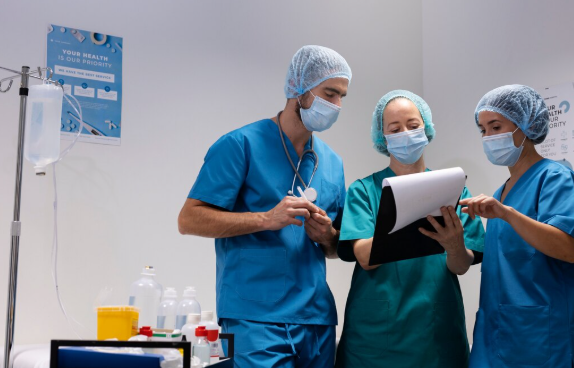
Nursing is one of the most versatile and rewarding professions, offering numerous paths for those interested in healthcare. Nurses are critical to patient care and are involved in a wide variety of settings, from hospitals to home care. As healthcare needs evolve, there’s an increasing demand for nurses with specialized skills. Whether you’re just starting out in your nursing career or you’re considering advancing your expertise, it’s important to know which specialties are in high demand.
In this post, we’ll take a look at some of the most sought-after nursing specialties, what you need to get there, and how you can pursue these exciting opportunities.
ADVERTISEMENT
ADVERTISEMENT
1. Nurse Practitioners (NPs): Taking Healthcare to the Next Level
Nurse practitioners (NPs) are one of the fastest-growing groups in healthcare today. They have advanced training that allows them to serve as primary care providers or specialize in areas like pediatrics, geriatrics, mental health, and more. As the healthcare industry faces a shortage of primary care physicians, NPs are stepping in to meet the growing demand.
What You Need:
- Education: Becoming an NP requires first becoming a registered nurse (RN) and then completing a Master of Science in Nursing (MSN) or Doctor of Nursing Practice (DNP). These programs equip nurses with advanced clinical skills and a deeper understanding of patient care.
- Certification: To practice as an NP, you’ll need to pass certification exams in your chosen specialty, whether that’s family practice, acute care, or psychiatric care.
If you’re thinking about becoming an NP, it’s crucial to pick a nursing program that provides solid training in both clinical practice and specialized care. For example, Houston Nursing School offers an excellent NP program that prepares students with the clinical experience and education needed to excel as nurse practitioners.
2. Nurse Anesthetists: The Experts in Anesthesia Care
Certified Registered Nurse Anesthetists (CRNAs) are highly trained professionals responsible for administering anesthesia during surgeries and medical procedures. This role requires specialized knowledge and skill, and CRNAs are among the highest-paid nurses due to the level of expertise involved.
What You Need:
- Education: To become a CRNA, you’ll need to complete a master’s or doctoral degree in nurse anesthesia. This involves rigorous education and clinical training, as CRNAs must be able to assess patients, administer anesthesia, and monitor them throughout surgical procedures.
- Certification: After completing your program, you’ll need to pass the national certification exam from the National Board on Certification and Recertification of Nurse Anesthetists (NBCRNA).
For anyone interested in pursuing this specialty, it’s important to find a program that offers comprehensive training in anesthesia. Look for programs that provide a mix of theoretical learning and hands-on experience in anesthesia care.
3. Pediatric Nursing: Caring for Children and Their Families
Pediatric nurses specialize in providing care to infants, children, and adolescents. Working with young patients can be both rewarding and challenging, as children often have different needs and responses to treatment compared to adults. Whether you’re working in a pediatrician’s office, the emergency room, or a children’s hospital, pediatric nurses play a key role in managing the health of young patients.
What You Need:
- Education: Most pediatric nurses start with a Bachelor of Science in Nursing (BSN). While some work as general RNs in pediatric settings, many pursue additional education or certification in pediatric nursing to enhance their skills.
- Certification: The Pediatric Nursing Certification Board (PNCB) offers certifications for pediatric nurses, which can help demonstrate expertise in this specialized area of care.
If you’re passionate about working with children, you’ll need to find a nursing program that focuses on pediatric care. Look for programs that offer specialized courses and clinical rotations to prepare students to care for children with a variety of medical conditions.
4. Oncology Nursing: Supporting Patients Through Cancer Treatment
Oncology nurses specialize in caring for cancer patients, guiding them through their treatment journey. Whether working in chemotherapy units, cancer research, or palliative care, oncology nurses offer physical, emotional, and psychological support to patients and their families. Given the complexity of cancer care, oncology nursing is a highly specialized field that requires advanced knowledge and compassionate care.
What You Need:
- Education: A BSN is usually required to work in oncology nursing, and many nurses pursue additional certifications or advanced degrees to specialize further in oncology.
- Certification: The Oncology Nursing Certification Corporation (ONCC) offers certification for nurses in oncology, which demonstrates advanced knowledge and experience in cancer care.
For anyone interested in oncology nursing, choosing a program that offers both classroom learning and clinical exposure to cancer care is essential. Programs like Houston nursing school focus on preparing nurses for this specialty by offering hands-on experience in oncology care.
5. Geriatric Nursing: Meeting the Needs of Older Adults
As the population ages, the demand for geriatric nurses continues to grow. Geriatric nurses care for older patients, many of whom have multiple chronic conditions and complex health needs. Nurses in this specialty provide care in hospitals, nursing homes, and home care settings, and they’re trained to manage the unique challenges of caring for elderly patients.
What You Need:
- Education: A BSN is generally required to work in geriatric nursing, though advanced degrees or certifications in gerontology can help open more specialized doors.
- Certification: The American Nurses Credentialing Center (ANCC) offers certification in gerontological nursing (RN-BC). For those wishing to work with elderly patients in a more advanced capacity, a nurse practitioner certification in geriatric care is also an option.
If you’re considering a career in geriatric nursing, it’s important to find a program that offers a strong foundation in both nursing skills and the unique aspects of geriatric care. Look for programs that cater to this growing need, preparing students to provide quality care for elderly patients.
Conclusion: Finding Your Path in Nursing
Nursing offers countless opportunities for those seeking a fulfilling career in healthcare. Whether you’re interested in becoming a nurse practitioner, a nurse anesthetist, a pediatric nurse, or specializing in oncology or geriatric care, the options are vast. The key to success in any of these specialties is to pursue the right education and training.
Choosing a respected nursing program, like Houston nursing school, can help you take the first step toward a rewarding career. With comprehensive programs designed to give students both the theoretical knowledge and hands-on experience needed, nursing schools like this one can help you prepare for success in one of these growing and high-demand specialties.
Share this article


Latest Posts




ADVERTISEMENT