



What Is the Legal Difference Between a Serious Injury and a Catastrophic Injury in Texas?
- Updated on: May 9, 2026
- 3 min Read
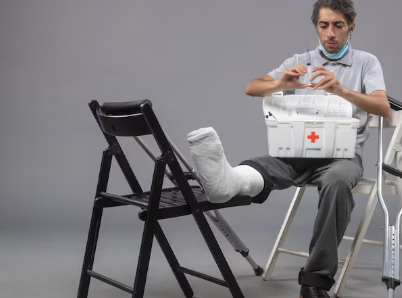
In Texas personal injury law, the exact details of your case matter more than most people realize. The way your situation gets defined can shape everything that follows. The terms serious injury and catastrophic injury are sometimes used interchangeably in casual conversation. In a courtroom or at the negotiating table, the details of your case carry real weight. Getting them right can mean significantly more money in your pocket. A serious injury describes substantial harm that typically heals with medical treatment over time. A catastrophic injury describes harm so severe that full recovery is medically impossible. Knowing the difference between these categories can have a real impact on your case. It affects the value of your claim and how it is handled.
How Texas Law Defines a Serious Injury
Texas Penal Code uses the phrase serious bodily injury to describe substantial physical harm. The statute defines it as injury creating a substantial risk of death or causing permanent disfigurement. O’Hare & Koch Personal Injury Lawyers handle serious, complex cases. That is a very different world from firms that mostly deal with minor accident claims. Civil personal injury law borrows this same framework when assessing the gravity of a claim. Broken bones, deep lacerations, and concussions usually fit within the serious category under this framework. An experienced serious injury attorney knows how to assess your diagnosis and make sure it is properly classified. That classification can make a significant difference in your case.
ADVERTISEMENT
ADVERTISEMENT
Where the Catastrophic Injury Threshold Begins
Among all personal injury cases, catastrophic injuries are in a category of their own. The severity and the long-term impact set them apart entirely. Medical professionals classify an injury as catastrophic when full recovery is no longer realistic. Treatment may slow decline or restore some function, but baseline ability is permanently changed. Spinal cord damage, severe traumatic brain injury, paralysis, and major amputation all qualify. Serious burns covering large body areas and complete vision loss also meet the threshold. What makes an injury catastrophic is not how much it hurts at first. It is whether the damage is permanent.
Why the Distinction Affects Compensation
Texas courts look at both what you have already lost and what you will need going forward. With a serious injury, the claim typically wraps up once you have recovered and treatment is complete. A catastrophic injury is a different story entirely. The losses do not stop, and neither does the case. Damages cover hospital bills, rehabilitation, lost wages during recovery, and pain endured. When an injury is catastrophic, the costs do not end after treatment. Life care planners and economists have to project the cost of care over decades. Those numbers often run into the millions. That kind of financial exposure changes how insurance companies approach your case. They negotiate harder and fight longer because the stakes are much higher.
The Role of Medical Evidence and Expert Testimony
How your injury is classified depends on what is documented. Without strong records, even the most serious injuries can get undervalued. Treating physicians provide the initial diagnosis and prognosis that anchors the case file. Imaging studies, surgical reports, and rehabilitation notes all build the evidentiary record. When permanence is contested, neurologists, orthopedic specialists, and life care planners enter the case. Their testimony establishes whether function will return or whether limitation is fixed for life. Do not be surprised if the defense hires its own doctors to evaluate you. Their goal is to dispute your injury findings and minimize what you recover.
Lasting Consequences That Shape Settlement Value
How your injury is classified has a direct impact on your settlement value. The more permanent the damage, the higher the long-term financial stakes. A serious injury settlement may resolve in months once medical bills and wage losses are tallied. Catastrophic settlements involve accessibility renovations, vehicle modifications, attendant care, and ongoing therapy. Loss of consortium and reduced enjoyment of life also factor into the valuation analysis. When an injury is classified as catastrophic, insurance companies set aside much more money to defend the case. That classification shapes how they treat you from the very first conversation. Everything about their strategy changes when the numbers get that large.
In Texas civil law, the difference between a serious injury and a catastrophic one is not just a matter of words. It changes everything about how your case gets built, valued, and resolved. The key question is permanence. Is the damage temporary, or will it follow you for the rest of your life? Getting that answer right early matters more than most people realize. The documentation you gather in the first few weeks after an accident can shape your entire settlement. Knowing where your injury falls on that spectrum is the first real step toward getting the recovery you actually need.
Share this article



Latest Posts





ADVERTISEMENT