


Emerging Wellness Technologies People Are Actually Using at Home
- Updated on: May 21, 2026
- 3 min Read

Monika Singh is an expert in computer sciences and has pursued her Master’s degree (M.Tech-CS) from Banasthali University, Rajasthan. Her areas of interest include data structure, software engineering, software testing, and computer graphics. Monika Singh has published a paper on “Modified AODV in MANET,” International Journal of Computer Science and Management Studies (IJCSMS), ISSN: 2231-5268, Vol-14, Issue-05 May 2014, PP:12-18.
By
- Published on May 21, 2026
The wellness sector has seen us surge in both popularity and market growth in recent years. In fact, it’s predicted to hit a record $10 trillion by 2029.
These days, the culture has shifted, and a growing number of people are bringing more sophisticated tools and technologies into their homes to help them understand their bodies a little bit more and improve their wellness journey in a way that works for them.
ADVERTISEMENT
ADVERTISEMENT
Let’s take a look at what’s gaining traction in this space right now.
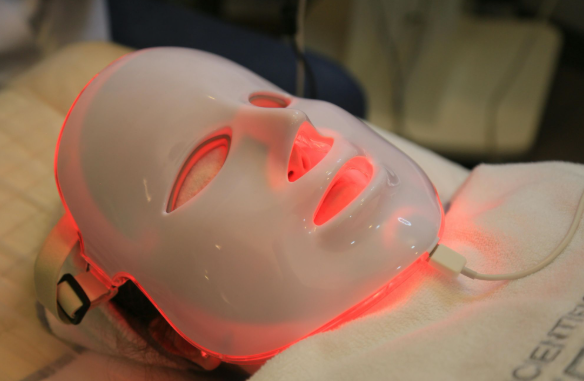
Red Light Therapy
Red light therapy devices have moved from clinical settings and are now featured in many people’s homes for good reason. The technology uses specific wavelengths of red and near infrared light to support cellular energy production. Right now, it’s being used for everything from skin health to muscle recovery to sleep quality. It’s even showing progress for use in poets, helping with various conditions, too.
The research base is solid enough that even conventional practitioners are paying attention.
In regards to personal use, you can buy devices ranging from small handheld panels to full-body setups, and they’re a staple in most people’s wellness routines.
Frequency-Based Body Scanning
This is one of the more interesting options in this article. It is quickly gaining traction in the holistic and naturopathic wellness community. Frequency-based biofeedback technology is built around the principle that the body’s organs and tissues generate their own electromagnetic frequency patterns. These patterns can then be detected non-invasively and compared against a reference database to identify where imbalances might exist.
How do you use systems like this? Typically, you wear a headset during your sessions to pick up on the body’s bio-electrical signals. From here, you get a detailed report showing frequency patterns accessing the body’s systems.
As well as this, there’s also an optional balancing phase where frequencies are reintroduced to support the body’s own regulatory processes.
This type of tool isn’t a medical device, but it’s something for those who are exploring improving their health within the holistic health space. Biofeedback technology can offer a level of detail and information that a lot of other types of technology can’t reach.
Heart Rate Variability Tracking
Heart rate variability tracking is tracing the variation in time between heartbeats. It’s becoming one of the most widely used markers in personal wellness in recent years. High HRV is generally associated with good recovery and low stress, as well as a strong autonomic nervous system function.
Wearables that track HRV continuously have made it possible for people to monitor their own patterns over time at home and make informed decisions about training, sleep, and stress management.
PEMF Therapy
Pulsed electromagnetic field therapy has quietly built a serious following in the home wellness sector over the last few years. PEMF devices deliver low-frequency electromagnetic pulses through mats, pads, or rings. The aim here is to support cellular repair, reduce inflammation, and to improve circulation.
This type of technology has long been used in medical and veterinary fields, but these days, home devices are making it more accessible to the public. It’s being used for recovery after training, joint comfort, sleep quality, and general energy. All you need to do is lie on a mat, meaning it’s easily integrated into many wellness routines.
Vagus Nerve Stimulation Devices
The vagus nerve has become one of the most talked-about topics in the wellness sector, and consumer devices designed to stimulate it not evasively are widely available to the general public.
These tools deliver a gentle electrical pulse or vibration to the ear or neck to activate the vagus nerve and support the parasympathetic nervous system. This is the side of the nervous system responsible for rest, calm, and recovery.
Those who use these devices often report that they see benefits in stress regulation, sleep,p and mood, and are popular with those who lead high-stress lifestyles.
Photobiomodulation Helmets and Brain Focused Light Devices
OK, so red light therapy for the body is well established, as noted above. But a newer category is emerging around light-based devices aimed specifically at the brain and nervous system. Photobiomodulation helmets and near-infrared transcranial devices deliver targeted wavelengths of light through the skull to support neural energy production and circulation in brain tissue. The research on this is still building, but it’s garnering more and more interest within the sector. Especially with the potential for improved cognitive performance models and long term brian health.
There are numerous ways you can invest in technology to support your wellness journey. These are just some of the more popular choices.
Share this article



Latest Posts





ADVERTISEMENT