


How Modern Eyelid Surgery Techniques Have Improved Patient Outcomes
- Updated on: Jul 12, 2026
- 4 min Read

Kishore Bharati is a biotechnologist with a special interest in cell biology, molecular biology, genetics and genomics, biophysics, and biochemistry. She Pursued her Master’s degree from Amity University, Noida, U.P., and has worked as a Research Trainee at Rapture Biotech, Noida.
- Published on Jul 12, 2026
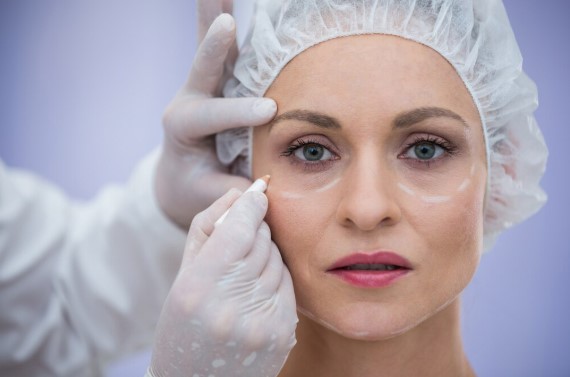
Blepharoplasty — commonly known as eyelid surgery — has been one of the most consistently performed cosmetic procedures for decades. Whether you’re considering treatment in New York or elsewhere, if you picture eyelid surgery the way it looked twenty years ago, you might be working with an outdated mental image.
The field has advanced considerably, and the techniques surgeons use today produce outcomes that are meaningfully different from what was possible in earlier generations of the procedure. Here’s a closer look at what’s changed, why it matters, and what patients can realistically expect.
ADVERTISEMENT
ADVERTISEMENT
The Old Approach vs. the Modern Standard
Traditional blepharoplasty involved scalpel-based incisions to remove excess skin and fat from the upper or lower eyelids. The logic was straightforward: less tissue means less drooping. And it worked — but the results were sometimes too stark. Patients occasionally ended up with eyes that looked hollow, or with a tightness that signaled they’d had work done.
The shift in thinking came from a deeper understanding of facial aging. Surgeons realized that aging eyes don’t just have excess tissue — they also lose volume and structural support. Removing too aggressively without accounting for that could leave patients looking gaunt rather than refreshed.
Modern blepharoplasty takes a more nuanced approach: the goal is to restore the natural contour of the eye rather than simply reduce it. That might mean repositioning fat rather than excising it entirely, or combining surgical reshaping with skin refinement for a more complete result.
How LASER Technology Changed the Game
One of the most significant advances in eyelid surgery over the past decade has been the integration of LASER technology into the procedure itself. CO₂ LASER blepharoplasty replaces traditional scalpel incisions with a focused laser that cuts tissue while simultaneously sealing blood vessels.
The practical benefits of this approach are real and measurable. Because the laser controls bleeding in real time, the surgeon works in a cleaner, more precise field. Less trauma to the surrounding tissue translates directly into less post-operative swelling and bruising — which means a smoother, more comfortable recovery for patients.
There’s also a cosmetic advantage that goes beyond the surgery itself. When the CO₂ laser is used alongside reshaping, it can resurface and tighten the delicate eyelid skin simultaneously. This dual effect — structural correction plus surface refinement — is one reason why patients who choose eyelid surgery in NYC with a LASER-focused practice often achieve results that look more natural and comprehensive than surgery alone. Cosmetic Eye Surgery has built its approach around advanced CO₂ laser technology, using precise techniques to combine eyelid reshaping with skin refinement in a single, carefully planned treatment.
Fat Repositioning: A Subtler, More Natural Result
Under-eye bags are one of the top reasons people seek lower eyelid surgery. In the past, the standard approach was to simply remove the fat pads that caused the puffiness. This worked for the bags — but in some patients, it led to a hollow, sunken appearance that could look worse than the original concern.
Contemporary lower blepharoplasty often involves repositioning that fat rather than discarding it. By moving the fat pad downward to fill the tear trough — the groove between the lower lid and the cheek — surgeons can smooth the transition from eye to cheek while preserving volume. The result looks more natural because it works with the face’s existing structure rather than simply subtracting from it.
This approach is particularly valuable for patients whose under-eye concerns involve both puffiness above and hollowness below. Repositioning addresses both issues simultaneously.
Upper Eyelid Surgery: More Precision, Better Symmetry
For upper eyelids, the improvements have been partly technical and partly philosophical. Surgeons today are more attentive to the individual anatomy of each patient’s upper lid crease, the distribution of fat, and the specific way excess skin is affecting the eye’s appearance.
The result of this individualized approach is better symmetry. One of the most common complaints from patients who had upper blepharoplasty under older protocols was that the two eyes didn’t look quite the same afterward. Modern technique — especially when combined with LASER precision — allows for more controlled, symmetrical tissue removal and reshaping.
There’s also more attention to preservation. Rather than removing all the visible fat from the upper lid, surgeons now often leave small amounts in place to maintain a natural contour and avoid the hollowed look that was common in earlier results.
What Patients Should Know Before Consulting
If you’re considering eyelid surgery, a few things are worth keeping in mind as you begin your research.
First, specialization matters. Eyelid surgery is technically demanding and involves extremely delicate anatomy. A surgeon who focuses specifically on the periocular area — the eyes, eyelids, and surrounding structures — will typically have a depth of experience that a generalist may not.
Second, the best outcome is usually a subtle one. The goal of modern blepharoplasty isn’t to make you look like you’ve had surgery — it’s to make you look rested, refreshed, and more like yourself. Be cautious of any approach that promises dramatic transformation rather than thoughtful refinement.
Third, ask about what technology the surgeon uses. LASER-based techniques represent a meaningful upgrade over traditional scalpel methods in terms of precision, recovery, and results — and it’s worth asking specifically whether a practice incorporates them.
The Takeaway
Eyelid surgery today is a genuinely different procedure than it was a generation ago. Better technology, a more nuanced understanding of facial aging, and a philosophy shift toward preservation over removal have all contributed to outcomes that look more natural and last more gracefully over time.
If tired-looking or heavy eyelids have been on your mind, it’s worth having a real conversation with a qualified specialist — not to commit to anything, but to understand what’s actually possible and what the right approach looks like for your specific anatomy.
The information is out there. Getting it from someone who specializes in this area, rather than piecing it together from the internet, is almost always the better starting point.
Share this article



Latest Posts





ADVERTISEMENT