


Why Younger Patients Are Choosing an Eyelid Lift Sooner Than Ever
- Updated on: Jul 12, 2026
- 3 min Read

Kishore Bharati is a biotechnologist with a special interest in cell biology, molecular biology, genetics and genomics, biophysics, and biochemistry. She Pursued her Master’s degree from Amity University, Noida, U.P., and has worked as a Research Trainee at Rapture Biotech, Noida.
- Published on Jul 12, 2026
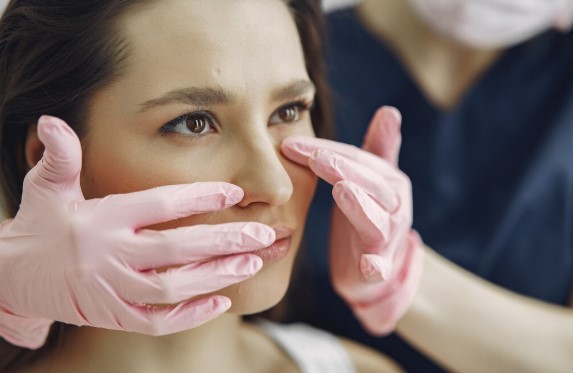
For most of cosmetic surgery’s history, eyelid surgery was associated with patients well into their 50s and 60s — a procedure to address the accumulated effects of decades of aging. That picture has changed considerably. A growing number of people in their 30s, and even their late 20s, are scheduling blepharoplasty consultations and moving forward with the procedure at an earlier stage than previous generations would have considered.
This shift is happening in major cosmetic hubs like Beverly Hills and beyond, and it’s being driven by genuine, practical motivations — not just aesthetic trends or social media influence. Understanding what’s behind this change can help you evaluate whether an eyelid lift might make sense for where you are right now.
ADVERTISEMENT
ADVERTISEMENT
What an Eyelid Lift Actually Involves
Blepharoplasty is a surgical procedure that addresses excess skin, displaced fat, or muscle laxity in the upper eyelids, lower eyelids, or both. Upper eyelid surgery removes redundant skin that causes the lids to appear heavy, droopy, or hooded. Lower eyelid surgery targets puffiness, under-eye bags, and loose skin that creates the appearance of chronic fatigue. The procedure is precise and well-established, with results that look naturally refreshed — not altered or unnatural when performed well.
Recovery is typically one to two weeks, during which swelling and bruising gradually resolve. The changes are long-lasting — often a decade or more — which is part of why more patients are viewing the investment as worthwhile at a younger age.
Why Younger Patients Are Not Waiting
There are several distinct reasons the age curve for eyelid surgery has shifted meaningfully younger in recent years:
- Genetics are the most common driver for younger patients: Heavy, hooded, or puffy eyelids are very frequently hereditary — not the result of aging at all. Many younger patients have dealt with lid heaviness, excess skin, or under-eye bags since their early 20s or even teenage years. In these cases, the decision to pursue blepharoplasty isn’t about anti-aging; it’s about correcting a structural feature that has bothered them for years and that no skincare, makeup technique, or non-surgical treatment has been able to meaningfully address.
- The camera-first world has made eyelid concerns far more visible: Video calls, front-facing cameras, high-resolution screens, and social content have fundamentally changed how often people observe their own faces in detail. Under-eye bags that were easy to overlook in a bathroom mirror become front-and-center in a Zoom grid or an Instagram story. Drooping upper lids that were barely noticeable in casual settings look noticeably prominent in a bright-lit video call. This increased self-visibility has prompted many people to take concerns seriously that previous generations might have dismissed — and to look for lasting solutions rather than temporary concealment.
- Earlier correction often produces better long-term results. There’s a practical surgical rationale for not waiting. Addressing mild to moderate eyelid laxity or fat herniation while the surrounding skin still has good elasticity typically produces cleaner, more durable results than waiting until the issue becomes more pronounced. When skin quality is still relatively good, the surgeon has more to work with, and the recovery tends to be more straightforward. For those exploring their options, consulting a specialist who performs eyelid lift in Beverly Hills is a smart starting point. Sunder Plastic Surgery provides individualized evaluations for each patient — assessing whether the timing, anatomy, and goals align before making any recommendation to proceed.
- Persistent tired appearance creates real professional and social impact. Under-eye bags and drooping upper lids consistently project fatigue, disinterest, or age — regardless of how alert and engaged a person actually is. For professionals in client-facing, public-facing, or leadership roles, this mismatch between appearance and reality can have a subtle but measurable impact on how they’re perceived in meetings, presentations, or interviews. Addressing it isn’t about chasing trends — it’s about aligning how you look with how you actually feel and perform.
Signs It May Be Time for a Consultation
Certain everyday signals suggest an eyelid evaluation is worth scheduling. Your lids feel heavy or strained by the end of the day. You unconsciously raise your eyebrows to keep your eyes open. Eyeliner or eyeshadow disappears into a fold of skin within hours. Concealer no longer hides under-eye bags, or people regularly ask if you’re tired when you’re not.
In more pronounced cases, hooded upper lids can even narrow your peripheral vision — at which point the procedure becomes functionally corrective, not just cosmetic. None of these signs alone means surgery is necessary, but together they indicate a structural issue that’s unlikely to resolve on its own.
Conclusion
The growing number of younger patients choosing eyelid surgery isn’t a passing trend — it reflects a genuine, practical shift in how people think about cosmetic concerns and when to address them. Whether the motivation is genetic, career-driven, or simply a desire to look as energized as you feel, blepharoplasty remains one of the most precise and effective procedures available.
If the areas around your eyes have been a consistent concern — at any age — a consultation with a qualified facial surgeon is the clearest way to understand whether surgery is right for you and what to realistically expect from it. You may find the answer is sooner than you thought, or that a non-surgical alternative fits better right now. Either way, having that conversation puts you in a far better position to make a decision you’re confident in.
Share this article



Latest Posts





ADVERTISEMENT