



Walking vs. Strength Training: Which Is Better for Senior Heart Health?
- Updated on: Nov 2, 2026
- 5 min Read
- Published on Nov 2, 2026
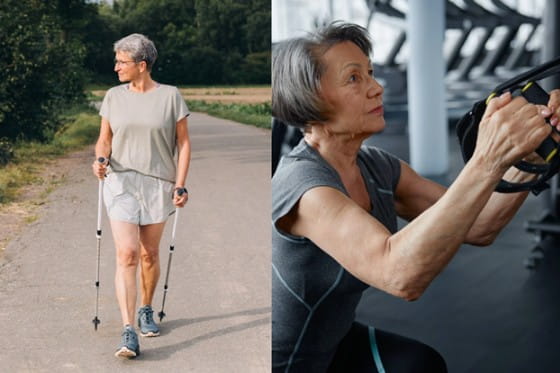
Imagine just going for a walk around the neighborhood in the morning. You like that, you enjoy the fresh air, feel more active, and know that walking is good for your heart. The question that arises as you get a bit older is this: Is walking sufficient to protect your heart, or do you need to add in some strength training as well?
It’s a good question, and one that highlights that staying healthy in later life is about much more than just keeping your heart active. Muscle strength, balance, and mobility are all important components of health.
ADVERTISEMENT
ADVERTISEMENT
The good news is that both walking and strength training are beneficial. Knowing how they work will help you put together an exercise regimen that’s good for your heart and sustainable.
How Walking Supports Senior Heart Health
Walking is one of the simplest and most accessible forms of physical activity for older people. You don’t need any special equipment or a gym membership. A good pair of walking shoes and a safe route around your own neighborhood may be all you need.
Walking is an aerobic exercise (it raises your heart rate and gets your heart and lungs working more efficiently). If you walk regularly, your cardiovascular system will become better at pumping oxygenated blood around the body.
Regular walking can help:
- Improve circulation: walking promotes good blood flow and helps the blood vessels to function properly.
- Support healthy blood pressure: regular, moderate-intensity activity will help lower blood pressure and improve cardiovascular health.
- Improve heart fitness: brisk walking helps your heart to become more efficient at doing the work of everyday physical activity.
- Support weight management: walking burns calories and can help maintain a healthy body weight, thereby reducing some risk factors for heart disease.
- Improve your mood and energy: regular movement can help with sleep, reduce stress, and, in turn, boost your energy.
You don’t need to be walking for long periods to benefit. Shorter walks spread throughout the day can still contribute to your weekly activity target.
How Strength Training Benefits the Aging Heart and Body
Strength training is often missed by older people who tend to think of exercise in terms of walking and other cardio activities. It’s actually quite important to maintain muscle strength as we get older.
As you get older, you will naturally lose some muscle mass and some strength. This will make the simple things in life a bit more of a struggle (e.g., carrying a grocery bag, climbing a flight of stairs, getting up from a chair, etc.).
Strength training helps to slow the decline by having the muscles work against resistance. You can use light dumbbells, resistance bands, or your own body weight.
It also provides significant benefits for heart health.
Regular resistance exercise can help improve blood pressure, blood sugar control, and cholesterol levels. All of those things are important, as high blood pressure, high blood sugar, and bad cholesterol are all factors that can increase the risk of cardiovascular disease.
Other benefits include:
- Stronger muscles: help you maintain the strength you need for day-to-day living.
- Better mobility: makes walking, climbing the stairs, and getting up easier.
- Improved balance: stronger leg and core muscles can help to reduce the risk of falls.
- Better metabolic health: helps your body to use glucose more effectively and supports healthy body composition.
- Greater independence: makes it far easier to look after your own business on a day-to-day basis without relying so much on others.
Strength training doesn’t mean lifting heavy weights. Simple controlled movements with some resistance can make a massive difference.
Walking vs. Strength Training: Understanding the Differences
Although both are good for you in their own way, they work your body in very different ways.
Walking is primarily an exercise for cardiovascular endurance. It gets the heart pumping, improves circulation, and builds stamina. It’s a very good exercise for people who want to work on their aerobic fitness without any complicated equipment.
Strength training is all about building and maintaining muscle. It’s good for physical function, good for metabolic health, and it helps you to stay steady and independent.
So which one is better for your heart?
Walking has a more direct impact on aerobic fitness, while strength training, on the other hand, helps with several cardiovascular risk factors and is important for preserving the physical strength you need as you age.
Neither activity entirely replaces the other.
Why Combining Both Activities May Be Better
For most older people, the combination of walking and strength training will provide more comprehensive health benefits than either exercise alone.
The CDC recommends that adults aged 65 and over aim for at least 150 minutes of moderate-intensity aerobic activity per week, along with muscle-strengthening activities on at least 2 days. Older adults should also include balance-improving activities.
A practical weekly routine might include:
- Walking for 20 to 30 minutes on most days.
- Doing some light resistance work twice a week.
- Practicing simple balance exercises (e.g., standing on one foot with good support).
You can, of course, tweak the schedule to suit your own energy levels and physical capabilities.
Combining these activities will help you look after your heart and maintain the strength and mobility you need to get on with life.
Simple Ways Seniors Can Exercise Safely, Including Chair Exercises
The most important thing is choosing activities that match your current fitness level. If you do that, the continual increase in demand for those activities becomes the next concern.
Here are some ideas:
- Walking your neighborhood. Start with the shortest walks and gradually increase the time and/or distance.
- Resistance band exercises. These require minimal equipment and can be easy to progress.
- Sit-to-stand exercises. Practice standing from and sitting on a sturdy chair.
- Chair exercises. If you are unable to stand or walk for long periods, try seated leg or arm raises.
- Everyday movement. Take a stroll around the house. Do some light gardening or put groceries away to add extra movement to your day.
Remember to breathe! Holding your breath increases your blood pressure and puts you at risk of passing out.
If you have any heart conditions, balance issues, joint pain, or other concerns, talk to your doctor before starting a new exercise program. If you experience any chest pain, dizziness, or fainting, get it checked out.
Conclusion
Walking and strength training both play a role in protecting heart health as we get older. Walking is good for cardiovascular fitness and circulation. Strength training is good for maintaining muscle mass and mobility, and for reducing important heart disease risk factors.
Rather than picking one or the other, why not have both as part of your weekly routine? Start with something small, listen to your body, go with it, and build consistency over time.
A healthier heart doesn’t necessarily need an intense workout. A daily walk combined with a few simple strength exercises can be a great place to start.
References
- Centers for Disease Control and Prevention (CDC). Physical Activity Guidelines for Older Adults.
- American Heart Association. Recommendations for Physical Activity in Adults.
- National Institute on Aging. Four Types of Exercise Can Improve Your Health and Physical Ability.
- American Heart Association. Resistance Exercise Training in Individuals With and Without Cardiovascular Disease: 2023 Update.
Share this article



Latest Posts





ADVERTISEMENT