

I Waited a Full Year Before My Revision Rhinoplasty. Here’s Why
- Updated on: Oct 30, 2026
- 3 min Read

Saima Andrabi is a clinical biochemist and is passionate about driving knowledge platforms for creating health awareness in the general public. She pursued her master’s degree in clinical biochemistry from University of Kashmir, Srinagar followed by an internship from National Institute of pathology, New Delhi.
- Published on Oct 30, 2026
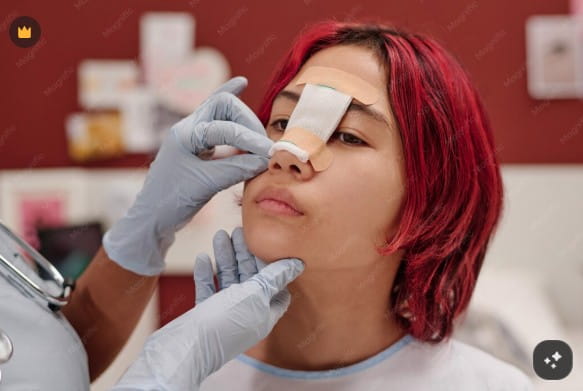
The day I decided I wanted a second nose operation, I wanted it booked for the following week. My first rhinoplasty had left me with a nose I was not quite at peace with, and every photo seemed to confirm it. Everyone around me, including my sister, told me the same thing: slow down. I grumbled about it for months. Looking back, waiting a full year was the best decision I made.
If you are in the same position, you are not alone. The American Society of Plastic Surgeons reports that nose reshaping saw a 5 percent decline in 2025, reversing two consecutive years of growth, which tells me that plenty of people are weighing up timing and choices before they commit. Here is what I learned while I waited, and why I would do it the same way again.
ADVERTISEMENT
ADVERTISEMENT
Why a Year Is the Magic Number
I assumed my nose would look finished after a couple of months. It did not, and that is completely normal.
Swelling Hides the Real Shape
Nasal swelling fades slowly, and the tip is usually the last part to settle. Early on, I could not tell whether a bump was swelling or the true shape, and judging it too soon would have meant guessing.
Revision surgery also tends to be slower to settle than a first operation, so my patience had to stretch even further. Plenty of surgeons say the finished shape can take up to a year to appear, and that matched my own experience.
What the Timeline Looked Like for Me
- The first week brought swelling, bruising and a splint.
- Around week three, the bruising had faded and I felt like myself again.
- Over three to six months, the bulk of the swelling went down.
- By twelve to eighteen months, the finer refinements had settled.
What I Did While I Waited
A year sounds long, but it was not wasted time. I used it to get ready.
Learning the Language
I took photos in the same light every month, wrote down what bothered me, and separated what I could see from what I could feel. Reading my notes back at the end of the year showed me which worries had faded and which had stayed. That second list mattered, because I had trouble breathing through one side, and I had to admit that this was as important to me as how it looked.
Questions I Saved for Consultations
- Why did my first result turn out the way it did?
- Is anything affecting my breathing, such as a narrowed nasal valve?
- Where would extra cartilage come from, if it is needed?
- How long might my recovery take compared with the first time?
Finding the Right Specialist for a Second Surgery
A revision is a different job from a first rhinoplasty, because scar tissue and changed anatomy make it more complicated. The surgeon is no longer working with a blank canvas, and that is why so many people are told to be patient before going back in. When I started reading about revision rhinoplasty in Beverly Hills, I noticed how consistently the same ideas came up. A revision can take longer than the original operation. It may call for cartilage grafts, taken from the septum, the ear or sometimes the rib.
And the usual advice is to wait at least a year, so that healing is complete and the contours have settled before anything is judged or changed. The page also explained that people seek revisions for two broad reasons, appearance and breathing, and that the two often overlap. Rady Rahban’s page on revisional surgery, for instance, sets all of this out clearly, and reading it gave me better questions to ask in person. It also reassured me that wanting a second operation is common, and that taking time over the decision is part of doing it properly.
The Practical Side Nobody Mentions
Revision surgery is not only about appearance, so it helps to look at the whole picture.
Looks and Breathing
Reasons for a revision often include breathing difficulty as well as asymmetry or irregular contours. If your nose has changed how you breathe, say so at your consultation. I wish I had mentioned my blocked side at my very first appointment, because it shaped the whole conversation about what could be done and how long it might take.
Cost and Cover
- Costs vary, and you will usually get a clear figure only after a consultation.
- Insurance generally does not cover cosmetic revisions, though some functional repairs may be partly covered.
- Ask about payment plans well before you book.
The Takeaway From My Year of Waiting
Waiting was frustrating, but it gave me a calmer head, a clearer list of what I wanted, and a nose that had finished healing before anyone picked up a scalpel again.
If you are itching to book, try giving it time, taking regular photos and asking plenty of questions. Be gentle with yourself in the meantime, because patience is part of the process. This article is general information rather than medical advice, and your own situation deserves guidance from a qualified surgeon.
Share this article

Latest Posts





ADVERTISEMENT