



Invisalign vs. Traditional Braces: Which Orthodontic Treatment Is Right for You?
- Updated on: Nov 2, 2026
- 4 min Read
- Published on Nov 2, 2026
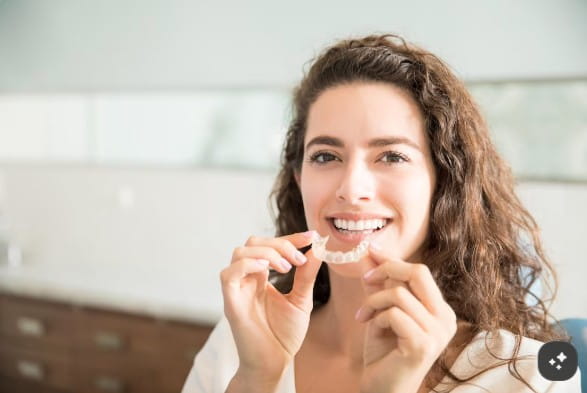
Straighter teeth can boost your confidence and make daily care easier. Still, choosing between clear aligners and metal brackets leaves many patients unsure where to begin. This guide breaks down the key differences.
Invisalign and traditional braces both move teeth into better positions, yet they work differently and suit different lifestyles. By the end of this blog, you will know which questions to ask your orthodontist before committing.
ADVERTISEMENT
ADVERTISEMENT
Key Takeaways
- Invisalign uses removable clear trays, while braces use fixed brackets and wires.
- Aligners look nearly invisible, but braces now come in smaller and tinted styles.
- Complex bite problems often respond better to braces than to aligners.
- Wearing trays 22 hours daily is a must for Invisalign success.
- Prices overlap closely, so insurance coverage often decides the winner.
- Treatment usually lasts one to two years, depending on your case.
- Brushing is easier with aligners, but braces need extra cleaning tools.
- Your orthodontist can help match a treatment to your goals and habits.
How Each Treatment Works
Traditional braces use metal or ceramic brackets glued to each tooth. A thin wire runs through them, and your orthodontist tightens it during regular visits to guide teeth gradually into their proper places.
Invisalign takes a different route. You receive a series of clear plastic trays, each made from a digital scan of your mouth. Every tray shifts your teeth a small amount.
You swap to a new tray about every one to two weeks. Because the trays come off, you can remove them for meals, while braces stay in place around the clock.
Appearance and Comfort
Looks matter, especially for teens and working professionals. Invisalign trays are clear and fit snugly, so most coworkers and classmates will not notice them unless you bring them up yourself.
Metal braces are more visible, though modern versions are smaller and sleeker than the ones your parents wore. Ceramic brackets blend with tooth color, and colored bands let younger patients show some personality.
Comfort differs too. Braces can irritate your cheeks and lips, especially in the first weeks, and orthodontic wax helps. Aligners feel smoother, though your teeth may ache for a few days with each new tray.
“Neither option is painless, but most patients describe the discomfort as pressure rather than sharp pain,” explain the dentists at Gainesville Dental Associates. Over the counter pain relievers and soft foods usually handle the tender moments after adjustments.
Effectiveness for Different Cases
Braces have decades of proven results and can handle nearly any alignment problem. Severe crowding, large gaps, and complicated bite issues often call for the steady, constant force that fixed brackets provide.
Invisalign has improved a lot and now treats many moderate cases, including crowding, spacing, and some overbites. Still, certain rotations and vertical tooth movements remain harder for aligners to achieve alone.
Your orthodontist will study X rays, photos, and a digital scan to judge what your mouth needs. Sometimes a hybrid plan works best, using braces first and aligners to finish.
Honest advice matters here. A good provider will tell you when one option is unlikely to deliver the result you want, even if you were hoping to choose the other.
Daily Lifestyle and Habits
Invisalign rewards discipline. The trays only work when you wear them about 22 hours each day, removing them just for eating, drinking anything besides water, and cleaning. Skipping hours can delay your progress.
Braces require no such self control, since they work constantly whether you remember or not. That makes them a smart pick for busy teenagers or anyone who tends to misplace small items.
Food rules differ as well. With braces, you must avoid sticky candy, popcorn, hard nuts, and crunchy snacks that can bend wires or pop off brackets. Aligner wearers can eat freely, once trays are out.
Musicians, athletes, and public speakers should also consider routines. Braces may need a mouthguard for contact sports, while aligners can pop out for performances or games, then go back in afterward.
Cost and Insurance
Costs vary by region and case, but both treatments often land in a similar range. Traditional braces commonly run a few thousand dollars, while Invisalign may cost slightly more for complex plans.
Insurance can shift the math. Many dental plans cover a portion of orthodontic care, often with a lifetime maximum, and some policies treat braces and clear aligners the same way.
Ask your provider for a written estimate that includes consultations, X rays, adjustments, and retainers. Hidden fees are rare at reputable offices, but a clear breakdown helps families budget with confidence.
Flexible spending accounts and health savings accounts can also stretch your dollars, since they use pretax income. Many offices offer monthly payment plans too, which spread the expense across the whole treatment.
Treatment Time and Office Visits
Most cases take between 12 and 24 months with either option, though mild adjustments may finish sooner. Your timeline depends on how crowded your teeth are and how closely you follow instructions.
Braces patients usually visit every four to eight weeks for wire changes. Invisalign users often check in every six to twelve weeks, since they receive several trays at once and change them at home.
Fewer appointments can help busy parents with packed schedules or professionals who travel often. However, braces keep working nonstop between visits, while lost or broken trays can slow treatment down.
Choosing the Right Option
If appearance and flexibility matter most, and your case is mild or moderate, Invisalign may suit you well, provided you can stay consistent with daily wear.
If your case is complex, or you prefer a treatment that works without relying on your habits, braces often make the better choice. Many teenagers and adults succeed with them every year.
Schedule consultations with at least one licensed orthodontist, and bring questions about timeline, total cost, and expected results. Comparing two professional opinions can reveal options you had not yet considered.
Remember that the best treatment is the one you can complete successfully. Your lifestyle, budget, and dental needs all count, so choose the plan that truly fits your daily routine.
Final Thoughts
Ready to take the next step? Book a consultation, ask plenty of questions, and trust your orthodontist’s guidance. Your future smile is worth the time you spend choosing wisely today.
Share this article



Latest Posts





ADVERTISEMENT