



Methylene Blue and Cellular Energy: What the Research Actually Shows
- Updated on: Aug 4, 2026
- 5 min Read

Tatheer Zehra Zaidi is a clinical pharmacist and pharmacologist with a master’s degree in pharmacy practice. She aims to deliver a positive contribution in the field of healthcare and research. She received her bachelor’s and master’s degrees from Jamia Hamdard New Delhi and then joined Spirant Communication Private LTD as a Medical content writer.
- Published on Aug 4, 2026
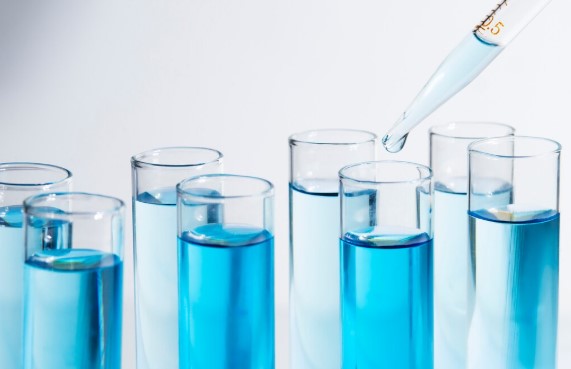
Methylene blue has a research history stretching back more than a century, first as a clinical dye, later as an approved treatment for methemoglobinemia, and more recently as a compound of growing interest in the longevity and cognitive health space. Unlike many trending wellness compounds, methylene blue’s research base is substantial and comes from established academic institutions, not just anecdotal reports. This article breaks down what that research actually shows, the mechanism believed to be responsible, and what matters when evaluating quality and safety.
A Brief History
Methylene blue was first synthesized in 1876 as a synthetic dye. Its medical applications followed soon after, and by the 1930s it was established as a treatment for carbon monoxide and cyanide poisoning. It remains the only FDA-approved treatment for methemoglobinemia, a condition where red blood cells lose their ability to properly carry oxygen. This clinical history matters because it means methylene blue’s safety profile at defined doses has been studied far more extensively than most compounds currently popular in wellness circles.
ADVERTISEMENT
ADVERTISEMENT
More recently, research attention has shifted toward a different application entirely: its role in supporting mitochondrial function and, by extension, cognitive performance.
The Mitochondrial Mechanism
Every cell in the body relies on mitochondria to convert fuel into usable energy, a molecule called ATP, through a process called the electron transport chain. Methylene blue is studied for its ability to act as an alternative electron carrier within this chain, essentially giving mitochondria another pathway to move electrons efficiently when the normal process is under strain.
This mechanism has been documented in research from the University of Texas Health Science Center at San Antonio, where studies found that methylene blue improved memory performance and increased brain oxygen consumption in a dose-dependent manner. Follow-up functional MRI research from the same group documented increased cerebral blood flow and oxygen consumption in response to methylene blue during both normal and low-oxygen conditions.
A separate clinical trial examined methylene blue’s effects in a surgical context, finding a reduced incidence of early postoperative cognitive disorders in elderly patients who received it following major non-cardiac surgery, compared to those who did not.
Taken together, this points to a specific, well-documented mechanism, supporting mitochondrial energy production, rather than a vague or unsubstantiated wellness claim.
Why This Differs From Typical Stimulants
Most compounds marketed for focus and energy work by increasing neurotransmitter activity, caffeine blocking adenosine receptors, for example, producing a temporary spike in alertness that eventually crashes. Methylene blue’s studied mechanism is different: rather than forcing a short-term stimulant effect, it is researched for supporting the underlying cellular energy-production process itself. This may help explain why its documented research effects have centered on memory consolidation and reduced cognitive impairment following physiological stress, rather than a short burst of alertness.
What Recent Attention Has Gotten Right, and Wrong
Methylene blue has recently gained visibility through social media and wellness influencers, with claims ranging from reasonable to significantly overstated. Some claims, particularly around longevity and anti-aging effects, extend well beyond what current research directly supports. It’s worth being direct about this: while the mitochondrial mechanism is well documented, and the cognitive research from UT Health San Antonio is real and peer-reviewed, claims that methylene blue is a broad anti-aging solution or a cure-all for chronic conditions are not supported by the same level of evidence. Responsible reporting on this compound should separate the documented mitochondrial and cognitive research from the broader, less substantiated wellness claims currently circulating online.
This gap between documented research and online claims isn’t unique to methylene blue, it’s a pattern seen across most trending wellness compounds, but it’s worth naming directly here given how much attention this specific compound has received recently. A useful filter for evaluating any claim about methylene blue is whether it traces back to a specific, citable study or clinical trial, versus a general assertion about “mitochondrial support” or “anti-aging” without a specific mechanism or research citation attached.
Understanding Dosing and Starting Points
Unlike its clinical use for methemoglobinemia, which involves precise, medically supervised intravenous dosing, methylene blue used for general research purposes is typically taken orally in small amounts, often measured in drops of a diluted solution. Because individual sensitivity varies considerably, a conservative starting approach, beginning with a small amount and gradually adjusting rather than starting at a full dose, is the standard approach recommended across most research and educational resources on the compound.
This matters particularly given the interaction risks described above. Starting at a low dose while also confirming that no current medications carry an interaction risk gives a much clearer picture of individual response than starting at a higher amount immediately. As with any compound with a documented pharmacological mechanism, dosing is not something to approach casually or by simply mirroring what works for someone else, individual factors including body weight, metabolism, and any underlying health conditions all play a role.
Safety and Interaction Considerations
Methylene blue inhibits monoamine oxidase activity, which creates a well-documented interaction risk with SSRIs, SNRIs, MAO inhibitors, and other medications that affect serotonin levels. Combining methylene blue with these medications carries a real risk of serotonin syndrome, a serious condition caused by excessive serotonin activity. Anyone currently taking these medications should consult a physician before considering methylene blue.
Individuals with G6PD deficiency should also avoid methylene blue, as it has been associated with hemolytic anemia in this population. As with any compound with a documented interaction profile, a full medication review with a healthcare provider is the appropriate first step, not something to navigate independently.
What to Look for in Terms of Quality
Given methylene blue’s clinical history, sourcing and purity matter significantly, and this is where meaningful differences between products emerge.
Grade matters. Industrial or technical-grade methylene blue, the kind used in laboratory staining or textile applications, is not equivalent to pharmaceutical, or USP, grade material. Nearly all of the clinical research referenced above used pharmaceutical-grade compound specifically. A product that doesn’t clearly state USP grade should be approached with caution.
Independent testing matters more than manufacturer claims. A batch-specific Certificate of Analysis from an accredited third-party lab, not just an in-house purity claim, is the only reliable way to verify what a product actually contains, including screening for heavy metals and residual solvents.
Concentration should be clearly labeled. Products are typically sold as 1% or 2% solutions, and understanding the actual concentration matters for dosing accuracy.
For those researching where to buy USP grade methylene blue, verifying these three factors, grade, independent testing, and clear concentration labeling, is the most reliable way to evaluate a product in a category where marketing claims can otherwise be difficult to verify.
The Bottom Line
Methylene blue’s research history is genuinely more substantial than most compounds currently trending in wellness spaces, with real clinical research behind its mitochondrial mechanism and documented cognitive effects in specific contexts, including memory performance and postoperative cognitive outcomes in older adults. At the same time, some of the broader claims circulating in wellness and social media content outpace what the current research directly supports, and it deserves the same scrutiny applied to any compound: understanding the actual mechanism, respecting documented interaction risks, and verifying product quality before use.
This article is for educational purposes only and is not medical advice. Always consult a qualified healthcare provider before starting methylene blue, particularly if you are taking any prescription medication.
Share this article



Latest Posts





ADVERTISEMENT