



The Role of Medication in Addiction Treatment
- Updated on: Nov 6, 2026
- 3 min Read
- Published on Nov 6, 2026
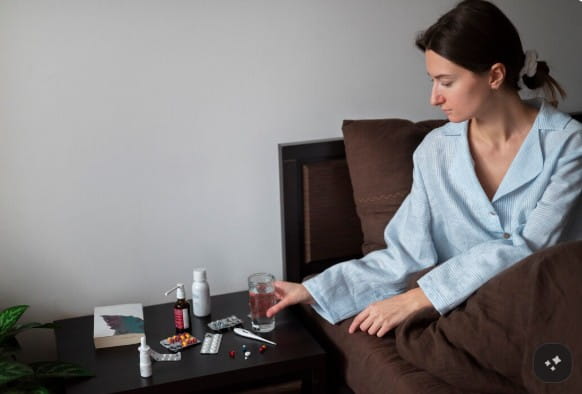
When people think about addiction treatment, they often picture counseling sessions, support groups, or time spent in a residential program. Those are all important parts of care. What many people do not realize is that medication can also play a valuable role when clinically appropriate.
Medication in addiction treatment is still widely misunderstood. Some people worry it simply replaces one substance with another. Others do not know it exists at all. This article explains what these medications do, who they may help, and why they are often paired with therapy and support.
ADVERTISEMENT
ADVERTISEMENT
Why Medication Is Still Misunderstood
Medication for addiction has been studied for decades, yet many people still feel unsure about it. Some have heard secondhand stories or outdated opinions. Others assume that using medication means they are not really in recovery. These beliefs can keep people from even asking about an option that might help them.
Often, the clearest answers come from talking directly with professionals. When someone contacts a drug rehab center in Tacoma or a program closer to home, an assessment can help determine whether medication makes sense alongside counseling and other support. Having that conversation with a qualified provider, rather than relying on rumors or assumptions, allows people to make decisions based on their own health and goals.
What Medication-Assisted Treatment Means
Medication-assisted treatment, often called MAT, combines FDA-approved medications with counseling and behavioral therapies. Medications for opioid use disorder are sometimes referred to as MOUD.
According to the National Institute on Drug Abuse (NIDA), medications are an important element of treatment for many patients, especially when combined with counseling and other behavioral therapies. For opioid use disorder in particular, medication is considered a first-line treatment option.
Medication is not meant to be the only part of treatment. It works best as one piece of a broader plan that addresses behavior, emotions, relationships, and daily life.
Medications Used for Opioid Use Disorder
Three medications are commonly used to treat opioid use disorder:
- Methadone, which reduces cravings and withdrawal and is provided through specially certified programs
- Buprenorphine, which also eases cravings and withdrawal and can be prescribed in a wider range of medical settings
- Naltrexone, which blocks the effects of opioids and is available in a long-acting injectable form
Each works differently, and the right choice depends on a person’s health, history, and preferences. A medical provider can explain the benefits and possible side effects of each option.
Medications Used for Alcohol Use Disorder
Medication can also help people reduce or stop drinking when determined necessary by a treatment provider. Commonly used options include:
- Naltrexone, which can reduce cravings and the rewarding effects of alcohol
- Acamprosate, which may help people maintain abstinence after they stop drinking
- Disulfiram, which causes unpleasant effects if alcohol is consumed
Common Misconceptions
“It’s Just Trading One Drug for Another”
This is one of the most persistent myths. Medications used in treatment are prescribed at controlled doses and monitored by healthcare professionals. Their purpose is to stabilize brain chemistry, reduce cravings, and help people function in daily life, not to produce a high.
“Real Recovery Means No Medication”
Recovery looks different for everyone. Many people with other chronic health conditions take medication long term to stay well. Using medication as part of addiction treatment is a medical decision, not a moral one.
“Medication Is Only for Short-Term Use”
Some people use medication for a few months, while others benefit from longer treatment. The length depends on individual needs and should be decided with a healthcare provider.
Why Medication Works Best With Support
Medication can ease withdrawal and cravings, which creates space for people to focus on other parts of recovery. Counseling and support help people:
- Understand the patterns and triggers connected to substance use
- Build coping skills for stress and difficult emotions
- Repair relationships and rebuild routines
- Address co-occurring mental health concerns
- Connect with peers who understand their experience
Together, these approaches address both the physical and the personal sides of addiction.
Talking With a Provider About Medication
Anyone curious about medication as part of treatment can start by talking with a doctor or treatment program. Helpful questions include:
- Is medication an option for my situation?
- What are the benefits and side effects?
- How long might I take it?
- What counseling or support comes with it?
- Is it covered by my insurance?
Treatment That Goes the Distance
Medication is one of the most well-studied tools in addiction treatment, yet it is still surrounded by stigma and confusion. Understanding how it works can help people make informed choices and feel more confident about their options.
For many, the combination of medication, therapy, and support creates a stable foundation for lasting recovery. The best plan is the one that fits the person, and a conversation with a trusted provider is a strong place to begin.
Share this article



Latest Posts





ADVERTISEMENT