


How to Advance In Your Nursing Career Without Hitting Pause
- Updated on: Aug 12, 2026
- 4 min Read

Saima Andrabi is a clinical biochemist and is passionate about driving knowledge platforms for creating health awareness in the general public. She pursued her master’s degree in clinical biochemistry from University of Kashmir, Srinagar followed by an internship from National Institute of pathology, New Delhi.
- Published on Aug 12, 2026
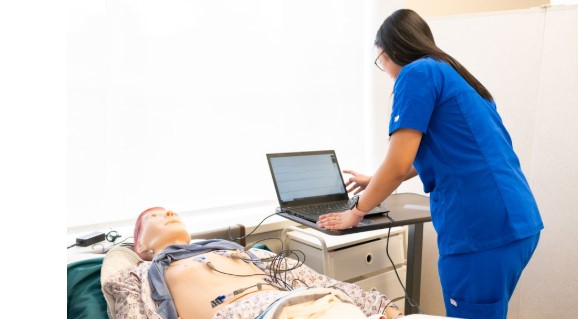
You probably know at least one nurse who seems to do everything. They handle patient care, help coworkers, calm families, and still remember where the good pens are hidden. At some point, many nurses start wondering what comes next. If you want more responsibility, stronger leadership skills, or a bigger voice in patient care, going back to school can make sense. The trick is finding a path that fits real life, not some fantasy schedule with extra hours magically floating around.
Why nurses level up
Nursing is one of those careers where learning never really stops. The job changes, patient needs change, and healthcare keeps tossing in new challenges like surprise plot twists. That is why many nurses look for ways to build on what they already know.
ADVERTISEMENT
ADVERTISEMENT
For some, that means moving into leadership or shaping how care is delivered across a whole team or facility. Others want to stay close to patient care but have more influence and autonomy. If that sounds like you, options like an MSN to DNP online program can be a practical next step because it helps working nurses continue their education without putting their careers on hold.
This kind of move is not about collecting fancy letters just to win at email signatures. It is about opening doors. When you level up your education, you may also expand your ability to solve problems, guide others, and improve care in ways that go beyond one shift at a time.
What changes with a DNP
A Doctor of Nursing Practice is less about becoming a textbook robot and more about learning how to improve real healthcare situations. You are still focused on patient outcomes, but you start looking at the bigger picture too. That can include leadership, workflow problems, quality improvement, and the way healthcare systems actually function.
In everyday terms, a DNP can help you move from asking, “How do I handle this case well?” to also asking, “How can this whole process work better for patients and staff?” That shift matters.
Depending on your role, it may support career growth in areas like:
– clinical leadership
– healthcare administration
– advanced practice roles
– program development
– evidence-based care improvement
You may also build more confidence when speaking up about policies, patient safety, or team practices. That kind of skill is valuable in hospitals, clinics, community settings, and beyond. It is a bit like going from steering one bike to helping design the bike path.
How online study helps
For many nurses, the biggest obstacle is not motivation. It is time. Between long shifts, family responsibilities, and basic human needs like sleep and snacks, adding school can feel intimidating. That is where online learning stands out.
An online format can give you more flexibility to study around your schedule. You may be able to review coursework before a night shift, on a weekend afternoon, or during those rare quiet moments when the laundry is not plotting against you.
This setup can work well if you are:
– working full time
– managing rotating shifts
– raising kids
– living far from a campus
– trying to avoid a major relocation
That said, online learning is not automatically easy. Flexible does not mean effortless. You still need discipline, planning, and a decent system for keeping deadlines from sneaking up on you. If you learn best with structure, it helps to create your own routine. A calendar, a quiet study spot, and honest talks with family can go a long way.
Who benefits most
Not every nurse wants the same thing from a career, and that is perfectly fine. Some people love direct bedside care and want to stay there. Others feel ready to lead, improve systems, or take on broader responsibilities. A DNP path tends to make the most sense for nurses who already have strong clinical experience and want to build on it.
You may be a good fit if you are someone who often notices what could work better and actually wants to help fix it. Maybe you enjoy mentoring newer nurses. Maybe you are interested in policy, leadership, education, or advanced practice work.
This route can appeal to:
– nurses with an MSN who want career growth
– advanced practice nurses seeking more leadership
– healthcare professionals interested in system improvement
– nurses who want a stronger voice in decision-making
You do not need to be the loudest person in the room. Leadership in nursing is often steady, practical, and grounded in experience. If you care deeply about patient outcomes and want a wider reach, this path may feel like a natural next chapter.
Questions to ask first
Before you jump into any program, it helps to pause and ask smart questions. A good fit is not just about the degree itself. It is about whether the program works for your life, your goals, and your current responsibilities.
Start with the basics. How long will it take? How many hours each week should you realistically expect? What are the clinical or project requirements? Will you have support from faculty or advisors when life gets messy, which it probably will at some point.
Here are a few useful things to look at:
– total cost and financial planning
– schedule flexibility
– clinical expectations
– graduation timeline
– student support services
– fit with your career goals
It also helps to think about your personal bandwidth. If you are already stretched thin, be honest about what you can manage. There is no prize for burnout. A strong plan is better than a rushed decision. Talk with employers, mentors, or family if they will be part of your support system.
Making the move
Taking the next step in your nursing career does not have to mean flipping your whole life upside down. In many cases, it is more about steady planning than dramatic change. You look at where you are, where you want to go, and what kind of program can help bridge the gap.
Start by getting clear on your goals. Do you want to lead teams, improve patient care systems, or move further into advanced practice? Once you know that, it becomes easier to compare options and find a path that feels realistic.
Try breaking the process into smaller steps:
– research programs
– review admission requirements
– estimate your weekly time needs
– make a budget plan
– set a start timeline
A career move like this is not just about ambition. It is also about purpose. If you are ready to grow your impact in healthcare, taking time to explore your options can be well worth it. Step by step still counts as moving forward, and in nursing, thoughtful progress often beats a dramatic sprint.
Share this article



Latest Posts





ADVERTISEMENT