



How Digital Tools Are Changing The Spine Surgery Recovery Process
- Updated on: Sep 26, 2026
- 4 min Read

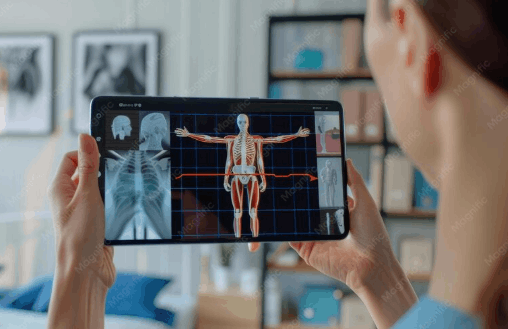
Recovering from spine surgery used to mean a lot of guesswork, a folder of printed instructions, and a single follow up visit weeks later to find out if healing was actually on track. That gap between surgery day and the next real checkup left plenty of room for uncertainty, especially for patients trying to figure out whether a twinge of pain was normal or worth calling about.
Across NYC, more surgical practices are closing that gap with wearable sensors, symptom tracking apps, and virtual check-ins that give both patients and surgeons a clearer picture of recovery in real time. What used to be a mostly silent stretch between appointments has become something far more visible and reassuring. That shift matters most for patients managing recovery around jobs and families, who cannot always drop everything for an in person visit just to ask a quick question.
ADVERTISEMENT
ADVERTISEMENT
Spine Surgery In NYC Is Adopting These Tools Quickly
Patients researching spine surgery in NYC are increasingly asking about recovery technology before they even discuss the procedure itself, since the weeks after surgery often feel more uncertain than the operation. Many describe wanting reassurance that someone is watching for warning signs, not just a printed handout to reference alone at home. Dr. Jonathan Stieber has built his practice around exactly that kind of ongoing visibility, pairing traditional surgical expertise with tools that keep him connected to patients well beyond the operating room.
That combination tends to matter most in the early weeks, when small questions can otherwise turn into unnecessary worry. For patients balancing recovery with work and family responsibilities, that ongoing connection often ends up mattering just as much as the surgical outcome itself.
What Digital Recovery Tracking Actually Looks Like
The tools themselves are more approachable than many patients expect, often nothing more than a small wearable device or an app on a phone they already carry everywhere. Motion sensors can track how far and how often someone is walking, flagging patterns that suggest they are overdoing it or not moving enough. Symptom questionnaires sent on a set schedule catch changes in pain or mobility long before the next scheduled visit.
None of this replaces in person care, but it gives surgeons a continuous thread of information instead of a single snapshot every few weeks, which changes how quickly small concerns get addressed. Most patients say the learning curve takes a day or two at most before the check ins start feeling like a normal part of their routine.
Patients Report Genuinely Positive Experiences With This Shift
This is not just a passing trend among a handful of tech forward practices. A literature review examining postoperative spine surgery care found that nearly 90 percent of patients were satisfied with their telemedicine visits. That level of comfort with remote check-ins suggests patients are not simply tolerating the shift toward digital recovery tools, they are actively finding value in it. Surgeons who have adopted these tools often note that patients feel more confident asking questions early, rather than waiting until a concern becomes serious enough to justify an unscheduled visit.
Much of that confidence comes from simply knowing someone is paying attention between visits, not just during them. Over time, that sense of being genuinely looked after tends to shape how patients feel about the entire recovery experience, not just the technology itself.
A Few Ways Patients Are Using This Technology
Recovery apps and remote monitoring tools are being used in a handful of practical ways that patients tend to appreciate once they get past the initial learning curve:
- Logging daily pain levels and mobility through a short check in on their phone
- Wearing a small sensor that tracks walking distance and activity patterns
- Receiving automated reminders for physical therapy exercises and medication timing
- Messaging a care team directly when something feels off, without waiting for the next visit
For many patients, that steady stream of small check-ins ends up feeling more reassuring than one long appointment months apart.
Choosing A Practice That Uses These Tools Thoughtfully
Not every practice has integrated recovery technology into their process, and among those that have, the quality of implementation varies quite a bit. It is worth asking during a consultation exactly how recovery will be monitored, who reviews the data being collected, and how quickly a concerning pattern actually gets a response.
A practice that treats these tools as a genuine part of patient care, rather than a marketing feature, tends to be more responsive when something actually needs attention between visits. It is also worth asking whether a real person reviews the data regularly, since a tool nobody is actively watching offers little real benefit.
The Bottom Line
For patients weighing spine surgery, the operation itself is often only part of what determines how the experience feels overall. A recovery process built around continuous visibility, honest communication, and tools that actually get used rather than just offered can turn weeks of uncertainty into something far more manageable. Knowing that a care team is genuinely watching for warning signs, rather than waiting for the next scheduled appointment to find out how things are going, tends to ease a significant amount of anxiety during an already stressful time.
As more practices adopt this kind of ongoing monitoring, patients are increasingly able to recover with real information guiding their decisions instead of guesswork and worry filling the silence between visits. That shift, small as it might sound on paper, often ends up shaping how confident someone feels throughout their entire recovery.
Share this article



Latest Posts




ADVERTISEMENT