

Lower Back Pain After Sitting All Day: Why It Happens and What Helps
- Updated on: Nov 13, 2026
- 4 min Read
- Published on Nov 13, 2026
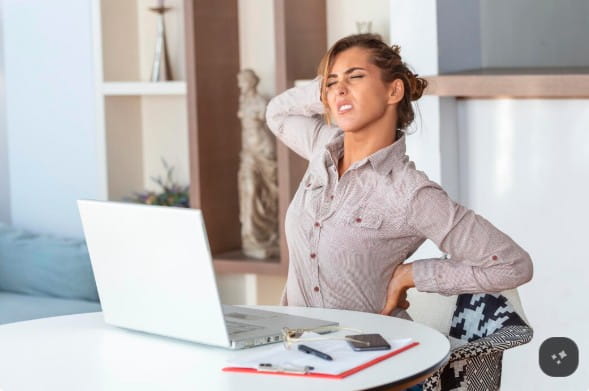
Your back feels fine in the morning. By late afternoon, after hours at a desk, in meetings or behind the wheel, there is a dull ache across the lower back that makes standing up feel like a project. You are far from alone. Lower back discomfort linked to long periods of sitting is one of the most common complaints among office workers, drivers and students, and it often builds slowly enough that people ignore it until it starts affecting sleep and mood.
The good news is that sitting-related back pain usually responds well to simple changes. This article explains why it happens, what tends to help, how back stretching devices fit in and which warning signs mean it is time to see a doctor.
ADVERTISEMENT
ADVERTISEMENT
Why Sitting Strains the Lower Back
Sitting is not harmful in itself. The problem is staying in one position for too long. When you sit, the natural inward curve of the lower back often flattens, especially if the chair is too deep or you slide forward toward the screen. That position increases pressure on the discs and stretches the ligaments at the back of the spine for long periods.
At the same time, the hip flexors at the front of the hips stay shortened, the glutes do very little work, and the deep core muscles that support the spine have little to do. Over weeks and months, this combination can leave the lower back stiff, tired and more sensitive to load. Stress plays a part too, because tense people tend to hold their bodies more rigidly and move less.
What Helps Lower Back Pain After Sitting All Day?
The most helpful steps are moving more often, setting up your chair to support the lower back, strengthening the hips and core, and using heat or gentle stretching to ease stiffness at the end of the day. For most people, frequent movement breaks make the biggest difference.
Try to stand up and walk for a minute or two every 30 to 45 minutes. A timer, a standing phone call or a walk to refill your water bottle all count. Changing position regularly matters more than finding one perfect posture.
Adjust your chair so your feet rest flat on the floor, your knees sit roughly level with your hips and your lower back touches the backrest. A small cushion or rolled towel behind the lower back can help keep its natural curve. Position the monitor so you can read it comfortably without craning forward or dropping your chin.
Strength work does not need a gym. Bridges, bird dogs, side planks on the knees and simple squats a few times a week help the hips and trunk share the load. A gentle hip flexor stretch, done in a half-kneeling position, counters the shortening that comes from long sitting.
Warmth can also ease end-of-day stiffness. A warm shower, a short walk outdoors or a heating pad applied for a 15 to 20 minute stretch in the evening can help the muscles relax before bed. Keep the setting comfortable rather than hot. If you have diabetes, poor circulation or reduced feeling in your skin, ask a clinician before using heat regularly, since you may not notice the skin overheating.
Are Back Stretchers Safe to Use Every Day?
For most healthy adults with ordinary, mechanical back stiffness, short daily sessions on a back stretcher are generally safe when the device is used as directed and the stretch stays comfortable. They are not suitable for everyone, though, and people with osteoporosis, recent spinal surgery or fractures, pregnancy, or nerve symptoms such as leg numbness should check with a doctor before using one.
Back stretchers range from simple curved boards to padded supports with built-in features. They work by resting the lower back over a curved support so the muscles can relax in a supported, gently extended position. The key is to start slowly. Begin with the lowest setting, keep early sessions brief and stop if pain sharpens or spreads into the legs.
Some newer designs combine stretching with warmth and vibration. The Callixe Thera Back Pillow is one example of this type of device. According to the brand, it lifts the lower back at a 26 degree angle, combines that traction with heat and four vibration patterns, uses memory foam and switches off automatically after 30 minutes. Callixe suggests starting with 15 minutes and working up to 30. Because it heats, the skin-sensation caution above applies here too, and the company asks anyone with an existing medical condition or an implanted device to clear it with their doctor before the first session.
A stretcher works best alongside movement and strengthening rather than as a replacement for them. Think of it as a way to unwind the lower back at the end of the day, not as the whole plan.
Small Daily Habits That Add Up
Lower back comfort often improves when small habits stack together. Park a little further away and walk. Take calls standing up. Carry bags on alternating sides. Set your laptop on a riser and use a separate keyboard. Get up from the sofa during advertisements or between episodes. Sleep matters too, and a medium-firm mattress with a pillow between the knees for side sleepers can reduce morning stiffness.
If your job keeps you seated for most of the day, consider a sit-stand desk and alternate positions through the day rather than standing for hours, which brings its own problems.
When to See a Doctor
Most sitting-related back pain settles within a few weeks once these changes are in place. Get medical advice promptly if pain is severe or getting steadily worse, if it follows a fall or injury, if it spreads down one or both legs with numbness, tingling or weakness, if you also have a fever or are losing weight without trying, or if you notice numbness around the groin or changes in bladder or bowel control. The last two signs need urgent care.
A doctor or physiotherapist can look for underlying causes, rule out more serious problems and create an exercise plan that fits your body and your routine.
The Bottom Line
Lower back pain after long days of sitting is common, and it usually comes down to staying still for too long. Move often, support your lower back in your chair, build strength in your hips and core and use warmth or gentle stretching to unwind in the evening. Start small, stay consistent and get checked if anything feels unusual or keeps getting worse.
Share this article



Latest Posts





ADVERTISEMENT