
How a Knee Massager May Help Soothe Knee Pain After Exercise
- Updated on: Sep 23, 2026
- 5 min Read
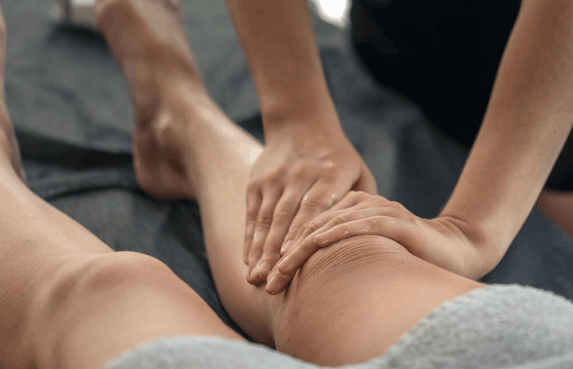
Recovery after exercise is an important part of maintaining comfortable movement. The body needs time to adapt after repeated physical activity and knees may respond differently. This specifically depends on type and intensity of exercise. Running, jumping, squatting and other movements can place additional demands on muscles and tissues around knee.
A post exercise recovery routine can include several simple approaches to help support comfort and relaxation. Depending on design, a knee massager may offer features such as gentle heat, vibration or compression that create soothing sensation around knee and nearby muscles. These features are intended to provide comfort and relaxation rather than treat injuries or underlying medical conditions.
ADVERTISEMENT
ADVERTISEMENT
The information about this difference between normal muscle fatigue and knee pain is also important. Mild soreness may improve with rest and recovery while persistent or severe discomfort can have another cause. A suitable recovery routine which may include gentle movement, rest, and massage can be considered based on individual comfort and circumstances. However, ongoing or severe symptoms should be assessed by appropriate healthcare professional.
Why Do Knees Hurt After Exercise?
Knee discomfort after exercise can have several possible causes. Repeated movements can place stress on knee joint and surrounding tissues. The activities such as running, jumping, squatting and lunges can increase workload placed on lower body. A sudden increase in exercise intensity can also make discomfort more noticeable. Someone who increases running distance, adds heavier weights, or begins a new exercise routine may experience soreness that was not present before.
Muscle fatigue is another common possibility. The muscles around knee help support movement and stability. So they can become tired after demanding activity. Delayed onset muscle soreness, commonly known as DOMS may also develop after unfamiliar or intense exercise. The location and type of discomfort can provide useful information. Although symptoms alone cannot identify exact cause. A gentle massage device may offer temporary comfort when muscles feel tired or tense. But it cannot determine whether pain is related to muscle, tendon, ligament or joint problem.
How to Tell the Difference Between Muscle Fatigue and Knee Pain
Muscle fatigue often feels like heaviness, weakness or reduced strength. It commonly occurs when muscles have worked harder than they are accustomed to. Rest and appropriate recovery can give body time to recover from this type of fatigue. Post exercise soreness can sometimes feel similar to pain. DOMS commonly affects muscles that have been in use during unfamiliar or intense exercise. It may cause tenderness, stiffness and temporary discomfort. Mild soreness generally becomes less noticeable as body recovers.
Some general differences may help you describe what you are experiencing:
- Muscle fatigue may feel like weakness or heaviness.
- DOMS may cause tenderness in recently worked muscles.
- Joint discomfort may feel more focused around the knee.
- Sharp pain may occur with an injury.
- Swelling or instability should not be ignored.
These signs are not a diagnosis. They simply provide a general way to describe symptoms. Severe, unusual, or persistent pain deserves appropriate attention rather than being treated only with a home recovery device.
How Heat May Help Soothe Tired and Stiff Knees
Heat can create a warm and relaxing sensation around muscles and soft tissues. Some people find gentle warmth comfortable when an area feels stiff after physical activity. For suitable situations, warmth may be a useful part of a relaxation routine. Some knee massagers combine adjustable heat and vibration, which may provide a soothing sensation when used appropriately.
Devices that include adjustable heat can provide controlled warmth during recovery session. The temperature should remain comfortable rather than excessively hot. It is also important to follow manufacturer’s instructions and check skin during use. Heat is not appropriate for every type of knee problem. For example, a recently injured area with significant swelling may require a different approach. Using heat simply to hide increasing pain or other warning signs is not advisable.
Can Vibration Massage Help Relax the Muscles Around the Knee?
Vibration massage creates repeated mechanical movement against the body. Some people may find this sensation relaxing after exercise particularly when surrounding muscles feel tired or tense. The experience can vary between individuals, and stronger vibration is not necessarily better. If a device provides different intensity levels, beginning with a gentle setting can be a practical approach. The sensation should remain comfortable throughout the session.
Extra care is needed around a recently injured area. Strong massage should be avoided over significant swelling, broken skin, or severe pain. People with certain medical conditions or recent injuries may also need professional advice before using massage equipment. Massage should be viewed mainly as a comfort measure. It should not be presented as a method for repairing damaged cartilage, torn ligaments, or other serious injuries. When the cause of knee pain is unclear, identifying the cause is more important than increasing massage intensity.
How to Use a Knee Massager After Exercise
The use of knee massager after exercise should focus on comfort and relaxation. This allows body to settle after workout before beginning a massage session. Start with gentle intensity and increase it only if sensation remains comfortable. When choosing a knee massager, consider the device’s features, intensity settings, instructions for use, and whether they are appropriate for your individual needs. Not every device will be suitable for every person or type of knee discomfort.
If device includes heat, then choose moderate setting and follow manufacturer’s instructions regarding temperature, placement and duration. Avoid using device over broken skin or areas with significant swelling. Stop use of device if you experience sharp pain, burning, numbness or increased discomfort. A recovery device should never be used to push through pain. A simple post exercise routine can also include gentle movement, hydration, rest and adequate recovery time. The goal is to support comfortable recovery rather than force knee to continue working.
If you have a diagnosed injury, follow recovery instructions provided by your healthcare professional. A massage device can be considered as an additional comfort option when appropriate. But it should not replace professional rehabilitation or medical care.
Warning Signs That Mean You Should Stop and Seek Medical Advice
Not every type of knee pain is suitable for home massage. Severe symptoms can sometimes indicate an injury or another condition that requires professional assessment.
Stop using the device and seek medical advice if you notice:
- Severe or rapidly worsening knee pain
- Major swelling or a visible change in the knee
- Difficulty putting weight on the leg
- Knee locking or repeated giving way
- Significant loss of normal movement
- Severe pain after an injury
A hot, red and swollen knee accompanied by fever or feeling unwell can also require prompt medical assessment. Such symptoms may have causes that need treatment beyond home recovery methods.
Key takeaways
Knee discomfort after exercise can come from different sources. Muscle fatigue and ordinary post exercise soreness may improve with rest and suitable recovery habits, while persistent or severe pain can have another cause.
A knee massager may provide gentle heat, vibration or other sensations that some people find soothing after physical activity. However, these devices should consider comfort tools rather than replacements for diagnosis, rehabilitation or professional treatment. The use of massage devices at comfortable setting and following manufacturer’s instructions can help make it part of a sensible recovery routine. If symptoms become worse or warning signs appear, stop use of device and seek appropriate medical advice.
Share this article


Latest Posts




ADVERTISEMENT