

5 Signs You May Be Considering a Facelift for the Right Reasons
- Updated on: Sep 25, 2026
- 3 min Read

Kishore Bharati is a biotechnologist with a special interest in cell biology, molecular biology, genetics and genomics, biophysics, and biochemistry. She Pursued her Master’s degree from Amity University, Noida, U.P., and has worked as a Research Trainee at Rapture Biotech, Noida.
- Published on Sep 25, 2026
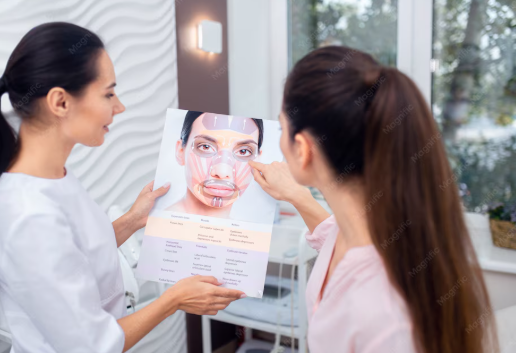
There comes a point when the face you see in the mirror may no longer match how you feel. The cheeks may look lower, the jawline may have become less defined, or loose skin around the neck may be harder to ignore. That can make you wonder whether a facelift is worth considering.
Facelifts are common in Houston, but the important question is not simply whether you want to look younger. It is why you want the change and what you expect the procedure to accomplish. A facelift can address certain signs of facial aging, but it is still surgery and should be considered for the right reasons.
ADVERTISEMENT
ADVERTISEMENT
So, what are some signs that your reasons for considering one are worth discussing with a qualified surgeon?
1. You Are More Concerned About Sagging Than Fine Lines
One of the clearest signs is that your main concern is loose or sagging tissue rather than a few surface wrinkles.
As the face ages, skin can lose elasticity and facial tissues can shift. This may lead to jowls, lower cheeks, a less defined jawline, or loose skin around the neck. A facelift is designed to address these deeper changes by lifting and repositioning tissue and removing excess skin.
If your main concern is sun damage, uneven skin tone, or fine lines around the lips, a facelift may not be the treatment you are looking for. Those concerns often call for different approaches. Knowing exactly what bothers you can make a consultation much more useful. Instead of saying you simply want to “look younger,” you can explain the specific changes you want to address.
2. You Want to Look Like Yourself, Just More Refreshed
Wanting to look refreshed is different from wanting to look like someone else. A common reason for considering a facelift in Houston is feeling that the changes you see in the mirror no longer reflect how you want to present yourself. You may still want to look your age, but with a face that appears less tired or weighed down by sagging skin.
This is also where expectations matter. Guidance from Lyos Plastic Surgery & Dermatology Associates emphasizes customized treatment and naturally refreshed results rather than a tight or artificial appearance.
That idea is worth keeping in mind when looking at before-and-after photos. The goal should be to understand what may be possible for your own face, not to copy another person’s result.
3. Your Decision Has Been Building Over Time
A facelift is a major personal decision, so it helps if the desire for surgery is something you have thought about for a while rather than a reaction to one bad photo or a passing comment.
Perhaps you have noticed changes in your face gradually and have tried skincare or non-surgical treatments but still feel that sagging tissue is the main issue. Maybe you have reached a point where the difference between how you feel and how your face looks has become difficult to ignore.
That does not mean you have to rush into surgery. In fact, giving yourself time to think can help you separate a lasting personal goal from a temporary frustration.
4. You Understand What a Facelift Can and Cannot Change
Having realistic expectations is another important sign that you are approaching the decision thoughtfully.
A facelift can improve sagging cheeks, excess skin around the jawline, jowls, and some changes in the neck. It cannot stop the aging process or completely change the structure of your face. Results also vary according to factors such as skin condition, facial anatomy, age, and the technique used.
The procedure can also vary in scope. A mini facelift may be appropriate for some people with earlier signs of aging, while a full facelift may be considered when more significant changes are present. The right approach depends on the individual rather than a particular age or trend.
In practice, understanding these limits can prevent disappointment later.
5. You Are Prepared for Surgery and Recovery
Even if you feel ready for the aesthetic change, you also need to be ready for the process involved.
A facelift involves incisions, anesthesia, healing, swelling, bruising, and a period of reduced activity. There are also surgical risks that should be discussed before making a decision. Complications can include bleeding, infection, hematoma, scarring, and nerve injury, although some complications are uncommon.
Recovery also requires patience. You may need to take time away from work and normal activities while swelling and bruising settle. If you are considering surgery mainly because you have an important event coming up soon, it is worth discussing the recovery timeline before setting a date.
Conclusion
A facelift can be a reasonable option when your concerns come from specific changes in your face, your expectations are realistic, and you have had enough time to think about the decision.
The strongest reason is usually personal. You should be doing it because you want to address changes that bother you, not because someone else told you that you look old or because a social media trend has made you question your appearance.
A consultation can help you understand whether a facelift actually matches your concerns and whether another treatment may make more sense. The goal is to make an informed choice that fits your face, your expectations, and your life.
Share this article

Latest Posts





ADVERTISEMENT