

Is Liposuction Right for You? Factors That Affect Candidacy
- Updated on: Oct 7, 2026
- 4 min Read
- Published on Oct 7, 2026
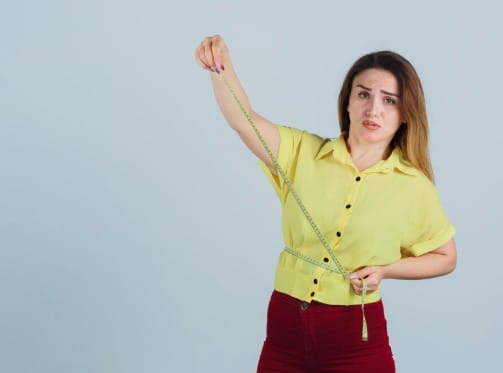
Liposuction is one of the most performed cosmetic procedures in the world, and yet there’s still a lot of confusion about who it’s actually designed for. Some people assume it’s a weight loss tool. Others think it’s only for people who are already very lean. The truth sits somewhere in the middle, and understanding where you fall on that spectrum is the most important thing to figure out before moving forward.
Columbus has become a destination for body contouring procedures, and if you’ve been considering whether this is the right path for you, here’s what actually determines candidacy.
ADVERTISEMENT
ADVERTISEMENT
4 Factors That Affect Your Candidacy for Liposuction
Surgeons evaluate several things before recommending liposuction, and not all of them are obvious. These are the key factors that typically determine whether someone is a good fit for the procedure.
1. Your Current Weight and Weight Stability
Liposuction is designed for body contouring, not for reducing overall body weight in a meaningful way. The ideal candidate is someone who is already near their target weight but has pockets of fat that simply don’t respond to diet and exercise.
That stubborn fat on the lower abdomen, flanks, inner thighs, or upper arms that stays put no matter how consistently you work out is exactly what the procedure is designed to address. If someone is significantly above a healthy weight, a surgeon will typically recommend getting closer to that range first, since results are more predictable when overall body composition is already reasonably stable.
Being at a certain weight isn’t the only consideration, though. Being at a stable weight matters just as much. Significant fluctuations after liposuction can affect results because while the removed fat cells don’t come back, the remaining fat cells in your body can still expand if weight is gained. Candidates who have recently lost a significant amount of weight and are still fluctuating are generally advised to wait until their weight has been consistent for several months before moving forward.
2. Skin Elasticity
Liposuction removes fat but doesn’t address loose or sagging skin. When fat is removed from an area, the skin needs to contract and conform to the new contour, and that process depends on how elastic the skin is. Younger patients and those with good skin tone tend to see smoother results because their skin adapts well after the procedure.
Patients with significantly loose or lax skin may find that liposuction alone doesn’t produce the outcome they’re expecting. In those cases a surgeon might recommend combining liposuction with a skin tightening procedure, or suggest an alternative approach like a tummy tuck for the abdominal area. The distinction between what liposuction can and can’t accomplish is something a qualified surgeon will assess during a physical evaluation.
3. General Health and Lifestyle Habits
Like any surgical procedure, liposuction carries risks that are higher in people with certain health conditions. That’s why a preliminary health check is important. Before performing liposuction in Columbus, most surgeons take patients through a thorough health assessment during their consultation to determine the patient’s condition and whether any modifications to the approach are needed.
In general, candidates should be in good overall health, free from conditions that could complicate surgery or slow healing. Uncontrolled diabetes, cardiovascular issues, and immune system conditions are among the factors that would require careful evaluation before proceeding.
Smoking is another significant consideration. It reduces circulation and impairs healing, which increases the risk of complications. Most surgeons require patients to stop smoking for a set period before and after surgery, and some will decline to operate on patients who continue smoking leading up to the procedure.
4. Your Expectations
A patient can meet every physical requirement for liposuction and still not be the right candidate if their expectations don’t align with what the procedure can realistically deliver. Liposuction improves body contour and reduces specific areas of stubborn fat, but it doesn’t guarantee a particular clothing size, dramatically change overall body shape, or produce results that look exactly like someone else’s before and after photos.
Bodies are different, and results vary based on anatomy, skin quality, the areas treated, and how the body heals. That’s why surgical practices like pēkomd® take a personalized approach to these conversations, making sure treatment plans are built around each patient’s actual anatomy and goals rather than a generalized outcome. If a consultation reveals a significant gap between what a patient expects and what the procedure can achieve, a good surgeon will address that honestly before anything is scheduled.
So Are You a Good Fit?
If you’re near your target weight, have maintained that weight consistently, have reasonable skin elasticity, are in good general health, and have a realistic sense of what liposuction can do for your specific body, there’s a good chance you’re a strong candidate. The more of those boxes you check, the more likely it is that the procedure will deliver the kind of outcome you’re hoping for.
That said, candidacy isn’t something you can fully determine by reading through a list. Bodies are individual, and the factors above interact differently for every person. A surgeon can evaluate your anatomy in person, look at your health history, and give you an honest picture of whether this is the right move and what approach would work best for you.
Moving Forward
Liposuction works best when it’s the right tool for the right situation. It’s a highly effective procedure for the people it’s designed for, and a less effective one when it’s used to solve a problem it wasn’t built to address.
Taking the time to understand where you genuinely fall on the candidacy spectrum, before booking anything, is the most useful thing you can do at this stage. A consultation with a board-certified plastic surgeon is the natural next step, and it’s the only way to get an assessment that’s actually specific to you.
Share this article


Latest Posts



ADVERTISEMENT