

Does Scoliosis Get Better Over Time? Understanding Progression and Treatment
- Updated on: Oct 16, 2026
- 4 min Read
- Published on Oct 16, 2026
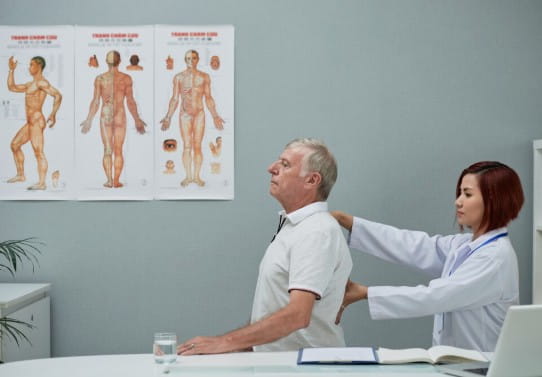
Finding out that you or your child has scoliosis can raise many questions. Will the spine straighten as you get older? Could the curve become worse? And does everyone with scoliosis need treatment?
Scoliosis causes the spine to curve sideways, often into a shape that looks like an S or C. The condition affects around 3% of children worldwide. Here in Valencia, California, there are people living with scoliosis, some having mild curves that cause few problems, and others needing treatment to manage changes in the spine.
ADVERTISEMENT
ADVERTISEMENT
The answer to whether scoliosis gets better depends on several factors. Age, growth, curve size, and the cause of the condition can all affect what happens over time. Understanding these differences can help you know what to expect and when to seek medical advice.
Can Scoliosis Improve on Its Own?
In most cases, scoliosis does not simply disappear as a person gets older. However, some curves remain mild and stable for many years, meaning they may not cause major problems or require treatment.
Very young children are one exception. Some curves that develop in babies and toddlers may improve as the child grows. Doctors experienced in scoliosis may still recommend regular check-ups to monitor whether the curve is progressing as expected. For older children and teenagers, the main concern is whether the curve will worsen during a growth spurt. A mild curve may remain relatively stable, while another may become more severe over a short period.
Adults who have stopped growing are less likely to experience rapid changes caused by growth. However, some curves can worsen over time, especially when age-related changes affect the spine. This is why it is important not to assume that a curve will improve without medical guidance.
What Makes Scoliosis Get Worse Over Time?
Several factors can affect how scoliosis develops. One of the biggest is how much growth a child has left. During puberty, bones grow quickly, and scoliosis may progress during this period. A child with a larger curve who has not finished growing may have a greater risk of progression than someone with a smaller curve who is nearly done growing.
The size and location of the curve also matter. Doctors use X-rays to measure the curve and compare results over time. These measurements help them see whether the condition is stable or getting worse.
In adults, changes in the discs and joints of the spine may contribute to worsening curvature. Some people also develop pain, stiffness, or trouble standing upright as the condition progresses.
Watch for changes such as uneven shoulders, a more noticeable curve in the back, one hip sitting higher than the other, or increasing difficulty standing comfortably. These signs do not prove that scoliosis is getting worse, but they are worth discussing with a healthcare professional.
Which Treatments Can Help Manage Scoliosis?
Valencia, CA, is home to physical therapy centers and spine specialists that treat scoliosis. Treatment depends on the person’s age, curve size, symptoms, and risk of progression. Not everyone needs surgery, and some people only need regular monitoring.
Common treatment options include:
- Observation: Doctors may recommend checkups and X-rays for mild curves to see whether they change over time.
- Bracing: Children and teenagers who are still growing may benefit from a brace designed to slow or stop the curve from getting worse.
- Physical therapy: Exercises may help improve strength, flexibility, and comfort. However, general exercise should not be expected to straighten a structural spinal curve.
- Surgery: For some people with severe or progressing curves, surgery may help correct spinal alignment and improve function.
The goal is to choose a treatment that fits the person’s condition rather than treating every case in the same way. A doctor can explain the likely benefits, limits, and risks of each option.
When Might Scoliosis Surgery Be Considered?
Surgery may be discussed when a spinal curve is severe, continues to progress, causes significant problems, or affects a person’s ability to stand and move comfortably. The decision depends on more than the curve measurement alone.
Corrective spinal surgery can involve procedures such as spinal fusion, in which two or more bones are joined to help stabilize the spine. Surgeons may also use rods, screws, and other devices to improve alignment.
People considering scoliosis surgery in Valencia can discuss their condition with a spine specialist who can review imaging, symptoms, and treatment history. California Neurosurgical Institute provides evaluations for spinal deformities, including scoliosis and sagittal imbalance, and explains the surgical process from planning through recovery.
Surgery is a major decision, so patients should ask about expected results, possible complications, hospital stay, and rehabilitation. A specialist can help determine whether the likely benefits outweigh the risks in an individual case.
Can You Live a Normal Life With Scoliosis?
Yes. Many people with scoliosis lead active lives, attend school, work, exercise, and take part in activities they enjoy. The condition does not automatically mean someone will have constant pain or serious physical limits.
Regular movement can support general health, strength, and flexibility. Walking, swimming, and other activities may be suitable for many people, although anyone with specific symptoms or treatment needs should follow their healthcare professional’s advice.
It is also important to attend follow-up appointments when recommended. Even if you feel fine, monitoring can help identify changes before they become more difficult to manage.
If pain increases, posture changes noticeably, or you develop new weakness, numbness, or other concerning symptoms, seek medical advice rather than assuming these are normal effects of scoliosis.
Conclusion: Understanding What Comes Next
Scoliosis does not always get worse, but it does not usually correct itself either. Some people need little more than monitoring, while others benefit from bracing, therapy, or surgery.
The most useful step is to understand your own condition. Regular medical reviews, clear information about treatment options, and attention to changes in symptoms can help you make informed decisions. With the right care, many people with scoliosis can protect their mobility and continue living active, fulfilling lives.
Share this article

Latest Posts


ADVERTISEMENT