


How Surgeons Approach Facelift Procedures for Natural-Looking Results
- Updated on: Oct 16, 2026
- 4 min Read
- Published on Oct 16, 2026
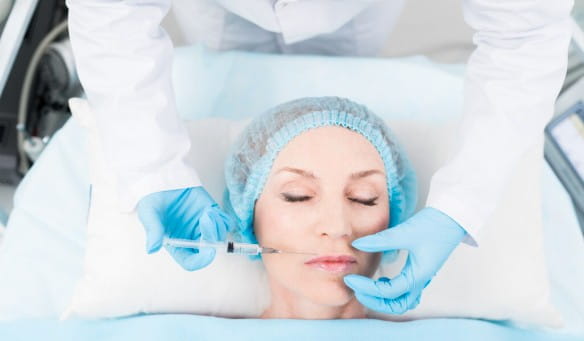
A facelift can soften sagging skin, improve the jawline, and make the face look more rested. But many people worry about one thing before surgery: will they still look like themselves afterward? An overly tight face or a changed expression can make the result feel unnatural, even if the signs of aging have been reduced.
For people considering the procedure in Orange County, understanding how surgeons plan and perform the procedure can help set realistic expectations. Natural-looking results usually depend on more than removing loose skin. A surgeon must consider facial structure, skin quality, the changes caused by aging, and the patient’s goals.
ADVERTISEMENT
ADVERTISEMENT
This guide discusses six ways surgeons approach facelift procedures to achieve natural-looking results, from choosing the right technique to planning incisions and managing recovery.
-
They Study the Face Before Choosing a Technique
No two faces age in exactly the same way. Some people develop loose skin around the jaw, while others notice sagging cheeks, deeper folds, or changes around the neck. A good surgical plan starts by identifying these concerns rather than using the same approach for everyone.
During a consultation, the surgeon may examine skin elasticity, facial shape, the position of deeper tissues, and the amount of sagging. Medical history, general health, and previous procedures also help guide the decision.
The patient’s goals are just as important. One person may want a clearer jawline, while another may be more concerned about the lower face and neck. Discussing these details helps the surgeon decide which areas to treat and how much change is suitable.
-
They Lift Deeper Tissues Instead of Simply Pulling the Skin
One reason older facelift results sometimes looked tight or stretched was the focus on pulling the skin back. Modern techniques can address the deeper layers that support the face, allowing the skin to rest over the repositioned tissues with less tension.
Two common approaches are the SMAS facelift and the deep plane facelift. The SMAS technique works on a layer of tissue beneath the skin that helps support facial shape. A deep plane facelift works at a deeper level and releases certain attachments so the surgeon can lift and reposition the skin and underlying tissues together.
Neither technique is automatically best for every person. The right choice depends on the patient’s anatomy, the amount of sagging, and the surgeon’s training and experience. The aim is to restore a more youthful shape without making the face look stiff or pulled.
-
Surgeons Keep the Patient’s Natural Features in Mind
A natural result should suit the person’s face, not make everyone look alike. Facial proportions, bone structure, and existing features all affect how a facelift should be planned.
For example, lifting the cheeks and jaw too aggressively may create a result that looks out of place with the rest of the face. A more balanced approach may involve smaller adjustments across the areas that have changed with age.
This is also why patients should be clear about what they want to improve. When comparing options for the best facelift in Orange County, people should look beyond dramatic before-and-after photos. They should ask whether the results look natural across different facial shapes and whether the surgeon explains the limits of surgery. The goal is usually to look refreshed, not to erase every line or look like a different person.
-
They Choose Incision Locations Carefully
Facelift surgery requires incisions, but their placement can help keep scars less noticeable. Surgeons often place them around the ears and along the hairline, where natural folds or hair can help hide the marks as they heal. Some procedures may also require an incision beneath the chin, especially when the neck needs attention.
The exact location depends on the technique and the areas being treated. Surgeons must also consider hairlines, ear shape, and the patient’s skin. Pulling the skin too tightly can affect how scars heal or change the position of nearby features.
Even with careful planning, scars do not disappear completely. They usually fade over time, but healing differs from person to person. Patients should ask where the incisions will be placed and what scar care may be needed after surgery.
-
The Procedure is Matched to the Patient’s Needs
A full facelift may suit someone with more noticeable sagging across the lower face and neck. A mini facelift may be an option for people with milder changes who need a more limited lift. Some patients may also benefit from a neck lift or another procedure, depending on their concerns.
At Grover Aesthetics, Dr. Sanjay Grover’s facelift approach includes SMAS and deep plane techniques, with the choice based on each patient’s facial changes and desired outcome. This illustrates why the consultation should focus on the person’s needs rather than starting with a particular procedure.
Combining treatments is not always necessary, and doing more surgery does not guarantee a better result. Each added procedure brings its own recovery needs and risks. The surgeon should explain why any additional treatment is being considered and what it can realistically achieve.
-
Recovery Planning Is Part of the Process
Natural-looking results take time to appear. Swelling and bruising are common during the first days after a facelift, and the face may look uneven or feel tight while healing begins. The American Society of Plastic Surgeons notes that many people look presentable within 10 to 14 days, although the face can take two to three months to feel normal again.
Patients should follow their surgeon’s instructions, attend follow-up visits, and avoid strenuous activity until cleared. It is also important to understand the possible risks, including bleeding, infection, changes in skin sensation, poor wound healing, and visible scars.
A careful recovery plan gives the surgeon a chance to monitor healing and address concerns early. The final result may continue to settle over several months.
Final Words
A successful facelift should fit the patient’s face and goals, with changes that look balanced rather than forced. That takes a careful assessment, a suitable surgical technique, thoughtful incision placement, and realistic expectations about recovery.
Before deciding on surgery, patients should ask about the surgeon’s experience, view relevant before-and-after results, and discuss both benefits and risks. A good consultation should leave them better informed, not pressured to proceed. The right approach is the one that addresses their concerns while respecting their natural features and overall health.
Share this article



Latest Posts





ADVERTISEMENT