



Does Hearing Loss Accelerate Memory Decline?
- Updated on: Oct 23, 2026
- 3 min Read

Arshi Anjum is a qualified homeopath who believes alternative medicine disciplines can really do wonders in certain situations and particularly for some conditions and diseases. She completed her medical education from Bakson Homeopathic Medical College, Greater Noida, India.
- Published on Oct 23, 2026
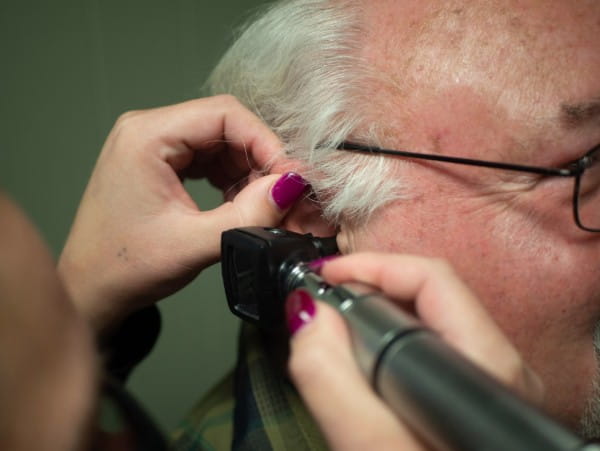
Hearing loss can affect far more than conversations, television volume and awareness of everyday sounds. Growing evidence links untreated hearing loss with faster cognitive decline, although it doesn’t prove that hearing loss directly causes dementia.
Shared health factors and changes in brain activity may also contribute. Understanding these connections can help you recognize symptoms early, arrange a hearing assessment and reduce some of the strain that poor hearing places on daily life.
ADVERTISEMENT
ADVERTISEMENT
The Auditory Connection to Brain Atrophy
The brain continually interprets sound, separates speech from background noise and connects words with meaning. When hearing declines, regions involved in auditory processing receive less stimulation. Some imaging studies have found that people with hearing loss may experience faster volume loss in brain areas associated with sound, language and memory.
A detailed review of hearing loss and cognition describes several possible pathways, including changes in brain structure and the extra mental effort needed to understand speech. These findings show an association, not a simple cause-and-effect relationship. Age, cardiovascular health and other medical conditions can influence both hearing and cognitive function.
Protective habits still matter. Regular exercise, blood pressure management, and hearing checks can help identify factors that deserve attention before they more seriously interfere with daily activities.
How Sensory Deprivation Strains the Mind
When speech becomes unclear, your brain has to reconstruct missing information from context. During a family dinner, for example, you may spend so much effort identifying individual words that you remember less of the conversation afterward. This listening effort can feel like forgetfulness even when memory itself remains intact.
Persistent strain may also leave fewer mental resources for learning and recall. If you regularly increase the television volume, ask people to repeat themselves or struggle with phone conversations, schedule a professional hearing evaluation. People exploring prescription devices online can also review providers such as Wholesale Hearing Direct, which offers professional consultations and access to premium prescription hearing aids at reduced prices compared with traditional retail.
Hearing support should match your test results, communication needs and comfort. A qualified audiology professional can explain the type and degree of loss, then discuss suitable treatment options.
Breaking the Social Isolation Loop
Untreated hearing difficulties can gradually change social behavior. A person may decline restaurant invitations because background noise makes conversation tiring, stop attending community activities or speak less during family gatherings. Reduced social contact can limit mental stimulation and contribute to loneliness, both of which are associated with poorer cognitive health.
The Alzheimer’s Society’s dementia risk guidance explains that managing hearing loss may be one practical way to support brain health. Treatment can make participation easier, but simple communication changes also help. Choose quieter seating, face the speaker and ask relatives to speak clearly without shouting. Captions can improve access to television programs and video calls.
Keep social plans manageable while you arrange hearing care. A quiet coffee with one friend may be easier than a crowded gathering and still provides valuable conversation and connection.
Accessing Quality Audiology Care
Start with a full hearing assessment if changes have lasted several weeks or affect work, relationships or safety. An audiologist can examine the ears, measure hearing across different frequencies and test how well you understand speech. Bring a list of situations that cause difficulty, such as meetings, phone calls or conversations in busy rooms.
Ask how follow-up care works before choosing a device. Prescription hearing aids often need careful fitting and adjustments as your brain adapts to sounds it hasn’t heard clearly for some time. Discuss trial periods, warranty terms, remote support and access to replacement parts. Sudden hearing loss, one-sided symptoms, dizziness, drainage, or ear pain needs prompt medical attention, not a routine device purchase.
Memory problems also deserve their own assessment. Missing appointments, getting lost in familiar places or struggling with routine tasks shouldn’t automatically be blamed on hearing. A clinician can consider hearing, medications, sleep, mood and other possible causes.
Addressing hearing changes early may reduce listening fatigue and make it easier to remain socially engaged. It also gives health professionals a clearer picture when memory concerns arise, since poor hearing can affect the results of spoken cognitive tests.
Share this article



Latest Posts





ADVERTISEMENT