



How an Audiologist Can Help You Identify and Treat Hearing Loss
- Updated on: Aug 23, 2026
- 4 min Read

Dr. Rafia Usman is a distinguished medical professional with a Bachelor of Medicine, Bachelor of Surgery (MBBS) degree, with a focus on infectious diseases and lifestyle-related conditions such as diabetes. With an experience in both hospital and clinical settings, Dr. Usman has dedicated her career to the diagnosis, treatment, and management of a wide range of infectious diseases and lifestyle disorders, emphasizing patient education and preventive care.
- Published on Aug 23, 2026

Most people don’t notice hearing loss the way they notice a sprained ankle. It creeps in quietly. You turn the TV up a notch, ask your spouse to repeat themselves at dinner, or start avoiding noisy restaurants because conversations feel like guesswork. None of that feels like a medical problem until, one day, it does.
That’s usually when people start searching for answers, and the honest answer is almost always the same: talk to an audiologist. If you live in Houston and have been putting off that conversation, here’s what an audiologist actually does and what treatment can look like.
ADVERTISEMENT
ADVERTISEMENT
What Does an Audiologist Actually Do?
An audiologist is a healthcare provider trained specifically in hearing and balance disorders. Unlike a general practitioner who might glance in your ear during a routine checkup, an audiologist spends years learning how the entire hearing system works, from the eardrum to the nerve pathways that carry sound to your brain. That training matters because hearing loss isn’t one condition with one fix; figuring out which type you’re dealing with takes real expertise.
When you sit down with an audiologist, they’re not just checking whether you can hear a beep in a booth. They’re piecing together a picture of your hearing health using your history, symptoms, and diagnostic testing, then recommending a plan that fits your life.
Signs You Shouldn’t Brush Off
Hearing loss rarely announces itself. It’s usually small, everyday moments that add up:
- Constantly asking people to repeat themselves
- Turning the volume higher than others seem to need
- Struggling to follow conversations in restaurants or groups
- Feeling like people mumble more than they used to
- Ringing or buzzing in your ears that won’t quit
- Feeling drained after social events from the effort of listening
Any one of these alone might not mean much. But if a few sound familiar, it’s worth getting checked rather than waiting to see if things get worse.
Why Getting It Checked Matters More Than You Think
Hearing loss is far more common than most people assume. The Centers for Disease Control and Prevention reports that roughly 15% of American adults, close to 37.5 million people, say they have some trouble hearing. It’s not a rare condition tucked in a small corner of the population; it’s something a huge share of families quietly deal with, often without ever bringing it up to a doctor.
Untreated hearing loss doesn’t stay contained to your ears, either. It can strain relationships, make work harder, and lead people to withdraw from situations they used to enjoy. Catching it early, and treating it properly, tends to make all of that easier to manage.
How an Audiologist Diagnoses Hearing Loss
A visit to an audiologist Houston residents trust usually starts with a conversation, not a test. Your audiologist will ask about your medical history, noise exposure over the years, medications you’re taking, and the situations where hearing feels hardest. That context shapes everything that follows. Texas ENT Specialists takes this same approach, pairing a detailed history with hands-on evaluation before any technical testing begins.
From there, testing usually includes:
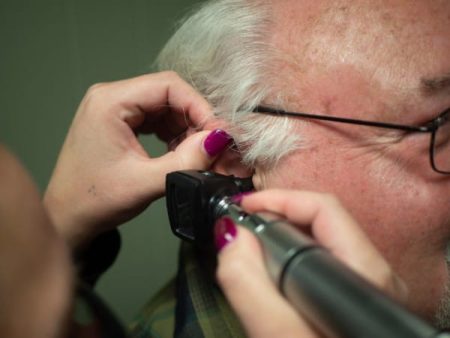
- A physical exam of the ear canal and eardrum for wax buildup, infection, or damage
- Pure-tone testing, responding to sounds at different pitches and volumes through headphones
- Speech testing, checking how well you understand words, not just tones
- Tympanometry, a quick check of how your eardrum responds to pressure
None of it is uncomfortable, and most appointments wrap up within an hour. What you walk away with is an audiogram, essentially a map of your hearing, showing exactly which frequencies and volumes are giving you trouble. That map turns “I think something’s off” into a clear understanding of what’s actually happening.
Treatment Options an Audiologist May Recommend
Once your audiologist understands the type and degree of hearing loss you’re dealing with, they’ll walk you through options rather than a one-size-fits-all fix.
Hearing aids are the most common recommendation for sensorineural hearing loss, tied to inner ear or nerve damage. Modern devices are small, often nearly invisible, and fine-tuned to your specific hearing profile rather than just making everything louder.
Medical or surgical treatment may be the answer for conductive hearing loss, caused by something blocking or damaging the outer or middle ear, like fluid or infection. Here, an audiologist often works alongside an ENT physician to resolve the underlying cause.
Assistive devices and ongoing monitoring round out the plan. Amplified phones or TVs can help in specific settings, and since hearing can shift over time, periodic follow-ups make sure your solution keeps doing its job.
Why Local, Experienced Care Makes a Difference
Hearing care isn’t something to handle through guesswork or a one-time online quiz. It benefits from a provider who tests thoroughly, explains results in plain language, and adjusts treatment as your needs change. Texas ENT Specialists brings board-certified audiologists and ENT physicians together under one roof, so patients get coordinated care instead of being bounced between separate offices for testing, diagnosis, and treatment.
If you’re in the Houston area and any of the signs mentioned earlier sound familiar, a short evaluation can tell you far more than months of wondering.
The Bottom Line
Hearing loss is common, treatable, and nothing to feel embarrassed about. People who do best tend to address it early instead of rearranging their lives around it, whether that means turning up the volume, avoiding phone calls, or steering clear of crowded rooms.
An audiologist’s job is to pinpoint what’s going on with your hearing and help you find a solution that fits how you actually live. If conversations have felt harder lately, that’s reason enough to book an evaluation and get real answers.
Share this article


Latest Posts




ADVERTISEMENT