



Improving Patient Outcomes Through Early Detection: The Impact of Crown Imaging
- Updated on: Nov 11, 2026
- 3 min Read

Dr. Rida Maryam is a dedicated medical practitioner with a focus on the management of chronic diseases. Her areas of interests include diabetes and women health. Dr. Maryam’s commitment to her specialty is rooted in a strong academic background and a deep passion for improving delivering quality and passionate care to her patients.
- Published on Nov 11, 2026
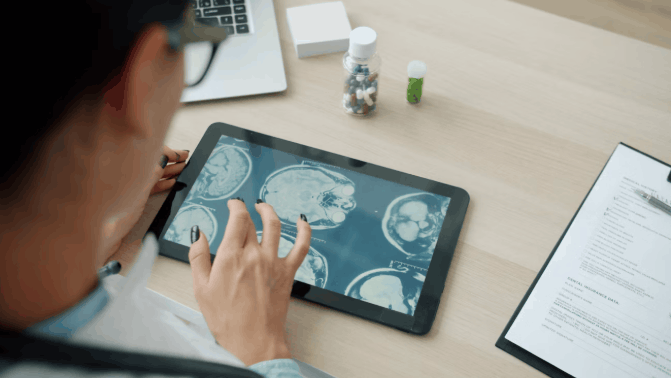
Medical imaging can reveal changes inside the body before a condition causes obvious or disruptive symptoms. When clinicians identify those changes early, patients may have more treatment options and a better chance of avoiding serious complications.
MRI, CT, ultrasound, X-ray, nuclear medicine and bone density scans each provide different types of information. Their value depends on selecting the appropriate test, producing clear images and getting results to the referring clinician quickly. Used responsibly, imaging supports earlier diagnosis and more focused care.
Why early detection matters
Many health conditions become harder to treat as they progress. A small abnormality found during a scan may be easier to monitor, treat, or investigate than the same issue discovered after symptoms worsen. Early detection can also help clinicians rule out serious causes, which prevents unnecessary treatment and directs attention toward more likely explanations.
ADVERTISEMENT
ADVERTISEMENT
The benefits extend beyond diagnosis. A scan can establish a baseline for future comparison, show whether a treatment is working, or identify complications that need prompt attention. This early detection overview explains how imaging specialists contribute to earlier intervention and improved outcomes.
Choosing an imaging provider
Your physician will determine which type of exam fits your symptoms and medical history. You may still have a choice of imaging center, depending on your insurance plan, location and scheduling needs. Ask how quickly appointments are available, when results are sent to the referring clinician, and what costs you should expect.
Dallas-area patients who need MRI, CT, ultrasound, X-ray, nuclear medicine or bone density services can consider Crown Imaging when reviewing local options. Before scheduling, confirm that the center has received the correct order and any required authorization. This helps prevent delays or an exam that doesn’t match the clinical question.
How imaging guides patient care
A scan gives clinicians information they often can’t obtain from a physical examination alone. For example, an X-ray may show the location of a fracture while an MRI can provide detailed views of soft tissue. CT may help assess internal structures quickly, and ultrasound can produce real-time images without ionizing radiation.
The broader impact of medical imaging technology includes diagnosis, treatment planning and follow-up. A radiologist interprets the images and prepares a report for the referring clinician. That report can guide the next step, which might involve treatment, another test or scheduled monitoring.
Preparing for a clearer exam
Good preparation can improve image quality and reduce the chance that an exam needs to be repeated. Follow the center’s instructions carefully because requirements vary by test. Some scans require fasting, a contrast agent or a temporary change in medication timing. Never adjust prescribed medication unless your healthcare team tells you to do so.
Tell the imaging staff about allergies, pregnancy, kidney problems, implanted devices, and previous reactions to contrast material. Bring identification, insurance information and relevant prior images if requested. Arrive early enough to complete screening forms without rushing. For practical context on prevention and screening, read how early detection supports wellness.
Turning results into timely action
An imaging report is most useful when it reaches the right clinician and leads to a clear follow-up plan. Before leaving the center, ask when the report should be available and who will discuss it with you. Imaging staff may explain the procedure, but your referring clinician usually interprets the findings in the context of your symptoms, examination, and medical history.
If you haven’t received an update within the stated timeframe, contact the clinician who ordered the test. Ask what the findings mean, whether you need another exam, and which symptoms should prompt faster care. Keep copies of reports when possible so future clinicians can compare changes over time. Early detection delivers its greatest value when clear imaging is followed by prompt, coordinated care.
Share this article



Latest Posts





ADVERTISEMENT