



Browsing: Brain and Neurological Conditions
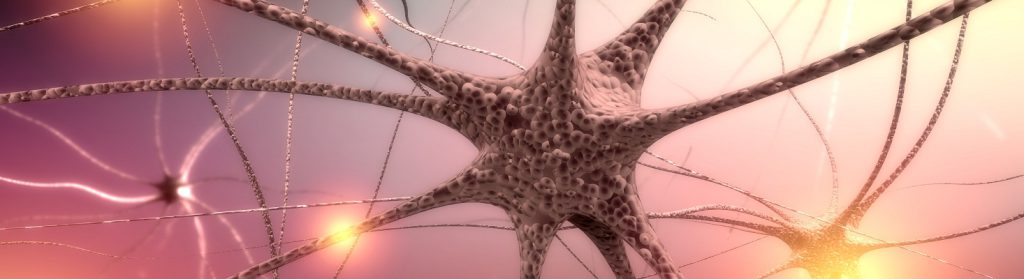
Your brain constitutes the control mechanism of your body. It’s part of your nervous system, which also includes the spinal cord and a large network of nerves and neurons. The nervous system controls everything in your body.
When your brain is damaged or diseased, it can affect your memory, your sensation, your personality, and even your entire quality of life. Nervous system disorders (Nervous system diseases) include any conditions or disabilities or problems that affect your brain or nervous system and comprise brain diseases as well.
Brain and nervous system problems are quite common. These neurological disorders include Alzheimer’s disease, Parkinson’s disease, multiple sclerosis, epilepsy, stroke, depression, autism, etc.
This page provides quick access to a list of common diseases, syndromes, health conditions, and other topics of health importance related to your brain and nervous system. The list is organized alphabetically. Links are provided to respective disease ecosystems that serve as a comprehensive and ultimate guide about the disease or health condition. Keep reading!
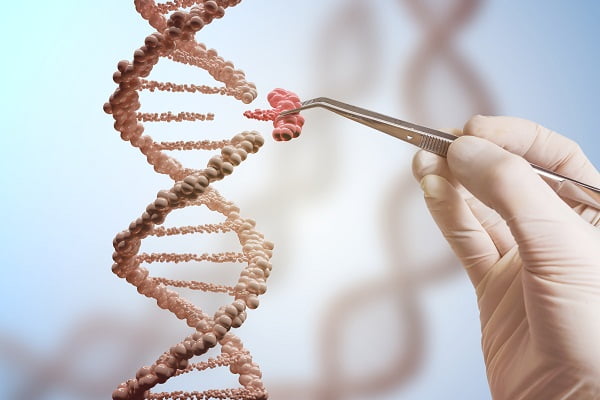
There is scientific evidence that alcoholism has a genetic component, nevertheless the actual gene that may cause alcohol use disorder (AUD) is yet to be identified. Prevention and education programs can address this risk as part of regular medical checkups. Genetics is understood to be a component of AUD, but not the only cause.

Alcoholism or alcohol use disorder (AUD) is a drinking problem that becomes severe. A person with this condition drinks in large quantities every time and does not know when or how to stop drinking. Learn about various treatment and therapies for alcohol abuse.

For more than 20 years, insomnia is referred to as a prominent risk factor for several severe disorders, including heart diseases and diabetes, neurological disorders, etc. Several drug researches and technological advancements have shown potential in treating insomnia. Insomnia drugs have also affected the market strategies for improved growth. Learn more about market-technology dynamics.

Acromegaly is a rare hormonal disorder that occurs when pituitary gland overproduces growth hormone in the body. Normally, growth hormone (GH) is produced by pituitary gland present in the brain but any kind of benign or non-cancerous tumor in the pituitary gland may result in excessive production of the growth hormone. Such non-cancerous tumors are called adenomas.

Patients shared their experiences that they felt tremors and behaved unusually in public. Patients expressed that a fear of unusual behavior and confusion sometimes made cutting themselves from the society. Many support groups help such Parkinson’s patients to make them feel normal like other healthy people and help them in leading a normal life.
Diagnosis of Parkinson’s can be heartbreaking. The common cause for Parkinson’s and paralysis can be dopamine loss which can correlate these two conditions. Some patients experience “internal tremors” which might be vaguely stated as Parkinson’s paralysis.

What is seasonal depression or winter depression? When a person suffers from depression, stress or anxiety due to seasonal variations,…
About 5million people in the United States were affected from Alzheimer’ in 2014 and the number is increasing. Brain imaging tests such as MRI scans, CT scans, etc or neuro-physiological testing help in detecting Alzheimer’s but do not give accurate results. Eye scans for Alzheimer’ can be beneficial in the coming years.

Dyslexia is typically diagnosed in childhood however it often continues into adulthood. Most of the children with dyslexia are not diagnosed till they reach adulthood, however some adults diagnosed with dyslexia have found a change in symptoms as they grow older.

Parkinson’s disease Parkinson’s disease is a progressive deteriorating disease of the central nervous system associated with loss of cells in the particular…
ADVERTISEMENT