



Birth Injuries And Their Potential Long-Term Effects
- Updated on: Oct 7, 2026
- 3 min Read
- Published on Oct 7, 2026
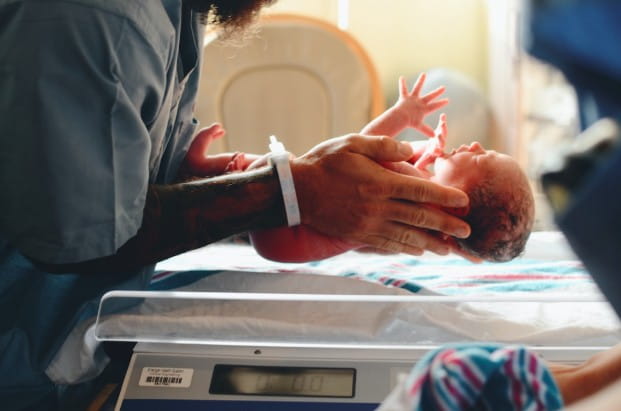
Childbirth should be a moment of joy, but complications during labor lead to unexpected medical challenges. When physical stress or medical errors occur during delivery, infants can suffer injuries ranging from mild nerve pressure to severe oxygen loss. Learn more about these conditions to prepare your family for medical needs and long-term care plans.
Delivery Complications And Physical Trauma
Labor requires careful monitoring by medical teams to protect both mother and infant. High stress during difficult deliveries can cause physical injury, nerve damage, or reduced oxygen to the brain. Early identification of birth trauma allows doctors to start protective therapies right away.
ADVERTISEMENT
ADVERTISEMENT
Medical complications during delivery leave families struggling to navigate complex legal systems. Filing a birth injury claim with the right legal team can secure necessary financial compensation for long-term therapy and medical equipment. Lawyers can gather the information you need to secure proper care for your child.
Physicians must closely track fetal heart rates throughout labor to catch signs of distress. Delayed decisions regarding emergency cesarean sections can increase the likelihood of severe birth trauma. Intervention limits physical damage and supports better long-term recovery outcomes for newborns.
Early Signs And Diagnosis In Infants
Infants showing signs of birth injuries mandate immediate evaluation by pediatric specialists. Unusual muscle tone, weak reflexes, or seizures signal potential damage to the central nervous system. Immediate diagnostic tests, including magnetic resonance imaging or ultrasound scans, provide data about brain tissue health.
Birth injuries contribute to roughly 20% of the 20,000 infant fatalities reported each year across the United States. Identifying subtle symptoms during the initial days of life can prevent more physical declines. Pediatricians evaluate motor responses, head circumference, and feeding abilities during early checkups.
Early screening tools assist healthcare providers in identifying nerve injuries around the shoulder and neck. Brachial plexus injuries can cause partial or complete arm paralysis if not addressed early. Doctors monitor infant limb movement during routine post-birth exams to spot these issues quickly.
Long-Term Physical Impact On Growth
Physical injuries during birth can alter movement patterns as children mature. Nerve damage in the arm or shoulder can limit range of motion and muscle strength. Conditions affecting motor skills call for structured physical rehabilitation to preserve joint mobility. Children experiencing long-term physical effects from birth trauma benefit from targeted support services:
-
Occupational therapy to build fine motor control and daily living skills
-
Custom orthotic braces to support weak joints and improve balance
-
Pediatric physical therapy to develop core strength and mobility
-
Assistive communication devices to help children express their needs
Regular medical monitoring helps doctors adjust therapies as children reach new developmental milestones. Specialized seating or mobility devices give children greater independence at home and school. Consistent physical therapy routines prevent joint stiffness and improve physical coordination.
Cognitive And Neurological Challenges
Oxygen deprivation during labor can damage delicate brain tissue, creating severe neurological consequences. Hypoxic-ischemic encephalopathy and internal brain bleeding represent complications requiring specialized medical interventions. Medical teams monitor brain activity to minimize long-term cell damage.
Untreated severe brain bleeds or hypoxic-ischemic encephalopathy lead to major disability in up to 43% of cases by age 2 to 3 years. Ongoing neurological evaluations help doctors track cognitive progress as children grow. Early intervention improves learning outcomes and speech development.
Neurological deficits can manifest as learning disorders or spatial reasoning difficulties. Multi-disciplinary medical teams work together to create individualized learning plans for affected students. Academic accommodations help children stay engaged in regular classroom activities.
Specialized Therapies For Developmental Delays
Children with brain injuries need long-term educational and physical support. Speech-language pathologists help children overcome communication difficulties caused by oral motor weakness. Behavioral therapists assist children in managing sensory processing challenges in classroom settings.
Early therapeutic interventions build confidence and cognitive adaptability in young children. Consistent therapy sessions retrain neural pathways to overcome speech and motor delays. Family participation in home therapy exercises accelerates progress outside clinical settings.
Psychological Toll On Mothers And Caregivers
Caring for an infant with a birth injury creates emotional pressure on parents. The stress of managing frequent medical visits, financial costs, and uncertain recovery paths can affect maternal health. Mental health professionals recommend early counseling for parents processing birth trauma.
The global prevalence of full childbirth-related post-traumatic stress disorder affects roughly 4% to 4.7% of the postpartum population. Professional counseling offers emotional relief and coping mechanisms for parents facing long-term caregiving duties. Support groups connect families with shared experiences and community resources.
Postpartum mental health support affects family stability after traumatic deliveries. Open communication between healthcare providers and parents helps identify emotional distress early. Strengthening parent well-being directly benefits the long-term care provided to the child.
Parents raising children with birth injuries benefit from strong community connections and expert medical guidance. Taking proactive steps early in a child’s life lays a solid foundation for physical growth and emotional health. With dedicated medical teams and family support, children facing long-term physical challenges can reach their full potential.
Share this article



Latest Posts





ADVERTISEMENT